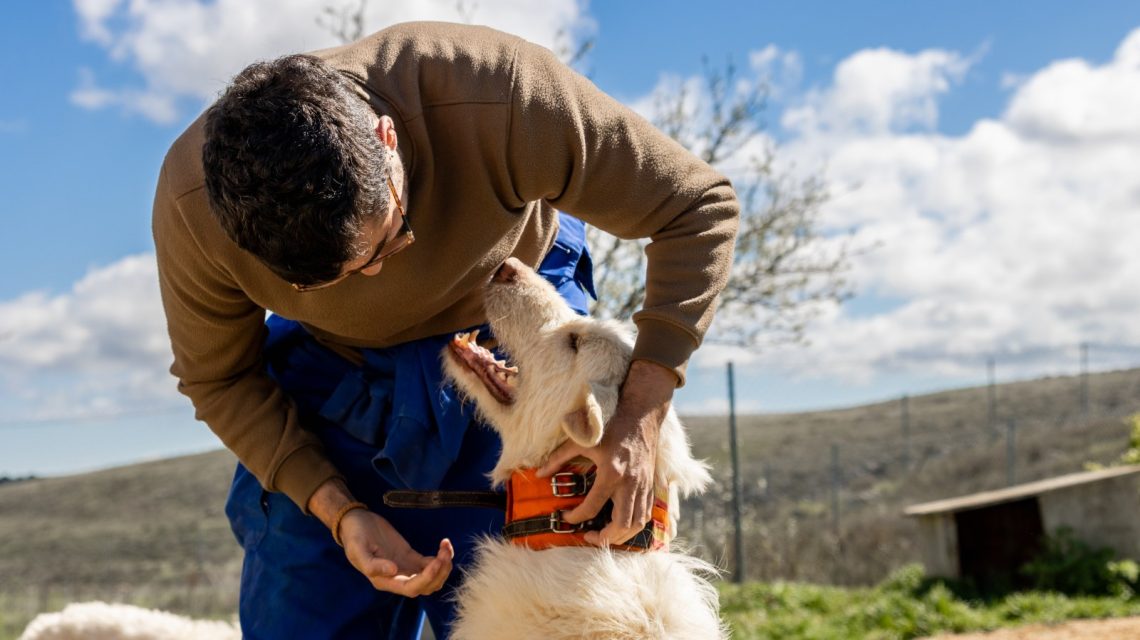
New research indicates that human lifestyles significantly influence the gut microbiome of dogs. This study, published in mSystems, investigated over 250 dogs across Nepal, Thailand, the UAE, and the US. Researchers examined dogs living with individuals from diverse lifestyles, including foraging, farming, pastoralist, urban, and industrialized environments.
The research revealed that environments and daily habits play a vital role in shaping the bacteria present in dogs’ digestive systems. Aashish R. Jha, co-author and assistant professor at New York University Abu Dhabi, told Newsweek that diet and environmental exposure are essential factors. What dogs eat, their time indoors or outdoors, interaction with other animals, and the environments they encounter influence the microorganisms they are exposed to.
“For instance, dogs in foraging and agricultural settings may consume homemade foods and have frequent interaction with livestock and soil, while household pets in industrialized settings usually consume commercially prepared diets and live in controlled environments,” Jha stated.
Although these factors often occur together, the study did not pinpoint which specific factor is most influential. The gut microbiome, a complex community of microorganisms like bacteria, viruses, and fungi, resides in the gastrointestinal tract. In dogs, it aids in food digestion and supports the immune system in combating pathogens. It is also linked to stress regulation and anxiety. Contrarily, an imbalanced microbiome can lead to issues such as diarrhea, skin conditions, and inflammatory bowel disease.
Neither a universal definition of a normal nor healthy gut microbiome exists for all dogs. Jha warns against universalizing the microbiome of dogs in industrialized settings as the standard reference. Differences between dogs from diverse environments more likely reflect variations in diet, environmental exposures, and lifestyles, rather than health discrepancies.
The study found that dogs in industrialized settings have a distinct microbiome compared to those in more rural or wild environments. Surprisingly, researchers did not observe a significant reduction in microbial diversity due to industrialization. Instead, they noticed a change in bacterial communities and their functional potential, leaving the impact on dog’s health unclear.
Notably, industrialization seems to alter human and dog gut microbiomes differently. Although humans and dogs have shared environments and food systems for ages, bacterial responses to lifestyle changes varied between the species. Geography, including the dog’s country of residence, weather patterns, and temperature, influenced gut microbiome differences.
The researchers caution against treating findings on human gut health as directly applicable to dogs. What signifies a healthy gut microbiome in humans may differ for dogs. The study did not determine if these microbial differences affect nutritional needs or medical treatment responses.
Dr. Ambika Vaid-Sidhu, an integrative veterinarian, warns that research on modern lifestyles and the dog gut microbiome is still in early stages. In her practice, dogs with less outdoor activity, processed diets, and frequent antibiotic use often report digestive issues. The gut is integral to digestion, immune health, and skin, so reduced microbial diversity warrants attention.
Vaid-Sidhu suggests steps to support dogs’ gut health. Owners should focus on food labels with whole, recognizable ingredients and fiber, like pumpkin, to promote beneficial bacteria. Daily outdoor time and allowing dogs to sniff enhance their environment interaction. Any dietary changes should be gradual over weeks, and antibiotics or supplements should only be used under veterinary advice.
 Understanding Iron Deficiency and How to Address It
 Surge in Stroke Survivors and Costs Predicted by 2050
 A Journey Through Football’s Impact: Jim Musuraca’s Story and the Fight Against CTE
 Lab Tests Show No Lead Contamination in Iowa Water After Detonation
 Short Walking Breaks May Stabilize Blood Sugar Better for Desk Workers
 Navigating Adult-Onset ADHD in Relationships