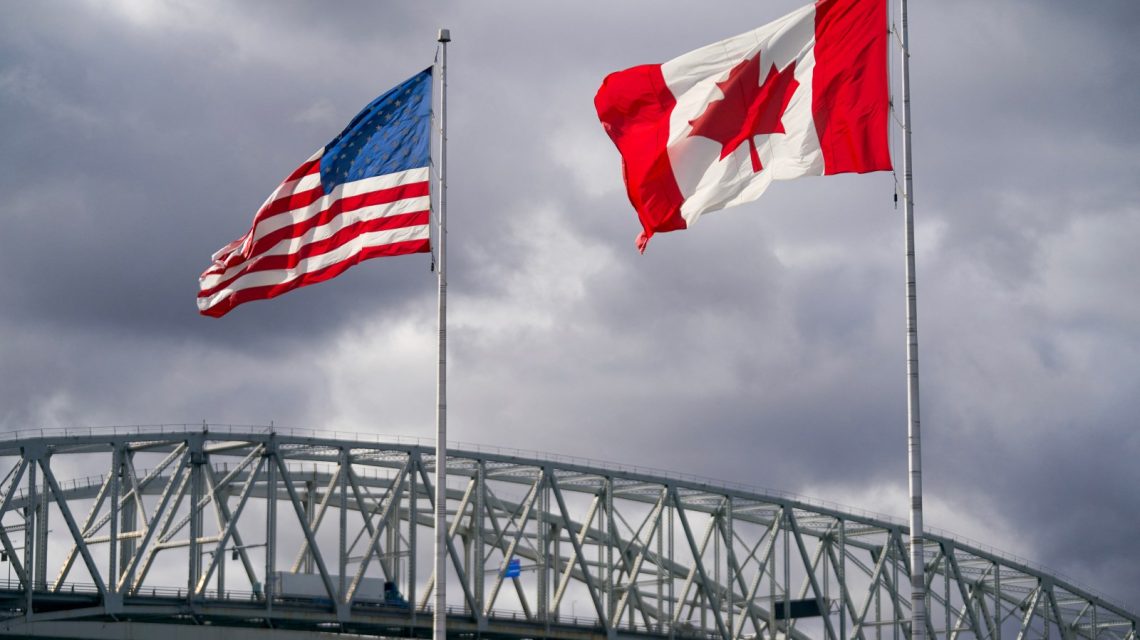
President Donald Trump’s trade conflict with Canada has introduced a new challenge for Republican Senate candidates in key races. After negotiations with Washington failed, Canada placed retaliatory tariffs on U.S. goods. This move followed the U.S. administration’s decision to levy tariffs on approximately $20 billion of Canadian imports.
Economists predict that these tariffs will likely increase costs and disturb supply chains, particularly in competitive Senate battleground states. These states could determine control of the Senate in the upcoming midterm elections. Alex Beene, a financial literacy instructor, noted the focus will shift to how these tariffs affect American wallets, especially in states like Michigan, Ohio, and Alaska, where Canada is a significant trading partner.
Why the Trade Relationship Matters
The U.S. and Canada maintain one of the largest trading relationships globally, supporting industries like auto, agriculture, seafood, forestry, and energy. States with close Senate contests are vulnerable since Canada is either a major export market or a critical supplier of raw materials.
A prolonged tariff dispute might impact jobs and raise consumer prices just as voters prepare to vote.
Senate Battleground States Exposed to Canada Tariffs
- Michigan
- Ohio
- Iowa
- Maine
- Alaska
- Texas
Kevin Thompson, CEO of 9i Capital Group, emphasized that the main issue in most elections is cost. Rising costs from tariffs concern many voters.
Michigan: Auto Industry Impact
Michigan is deeply affected, sending about one-third of its exports to Canada and relying on cross-border auto industry supply chains. Canada’s retaliatory tariffs target products related to steel, aluminum, and manufacturing.
Michigan’s Senate race is competitive, particularly after Democratic Senator Gary Peters’ retirement. Democratic nominee Abdul El-Sayed criticized how tariffs are used in the political context.
Ohio: Risks to Manufacturing and Agriculture
Ohio exports roughly $21.8 billion in goods to Canada, its largest international trading partner. Manufacturing, steel, aluminum, and agricultural sectors are vulnerable.
The Senate race between Republican Jon Husted and Democrat Sherrod Brown is one of Democrats’ best opportunities in Trump-supporting areas. Persistent tariffs could sway voter opinions in industrial communities.
Iowa: Agricultural Concerns
Iowa’s economy heavily depends on agriculture and farm manufacturing linked to North American trade. Tariffs have targeted farm equipment and dairy goods, significant components of Iowa’s exports.
The competitive Senate race between Republican Ashley Hinson and Democrat Josh Turek reflects these economic concerns.
Maine: Industry Pressures
Senator Susan Collins, a Republican from Maine, has vocally opposed the tariffs, arguing they harm industries like lobster, blueberries, and lumber. Maine’s economy is interconnected with Canada through various sectors.
Facing Democrat Troy Jackson, Collins battles for reelection in one of her toughest campaigns as Democrats see this as a pickup opportunity.
Alaska: Seafood Export Challenges
Canada is a key market for Alaska’s seafood exports. Retaliatory tariffs on seafood may trouble exporters already under pressure. Democrat Mary Peltola runs against Republican Senator Dan Sullivan in a tight race.
Although traditionally supportive of Trump, Alaska might become a battleground if tariffs affect the seafood industry.
Texas: Economic Exposure
Texas faces substantial economic exposure due to its extensive trade volume with Canada. The Senate race between Republican Ken Paxton and Democrat James Talarico has grown competitive.
If trade tensions impact jobs or prices, Democrats may argue tariffs worsen economic strain.
What Lies Ahead
With Canada’s tariffs effective from September 8, their impact may be felt weeks before the elections. Some Senate races in Michigan, Ohio, Iowa, Maine, Alaska, and Texas could hinge on these economic effects.
Kevin Thompson notes that while some voters may align ideologically with tariff policies, others may prioritize cost concerns at the polls, highlighting the basic economic principle that tariffs raise costs.
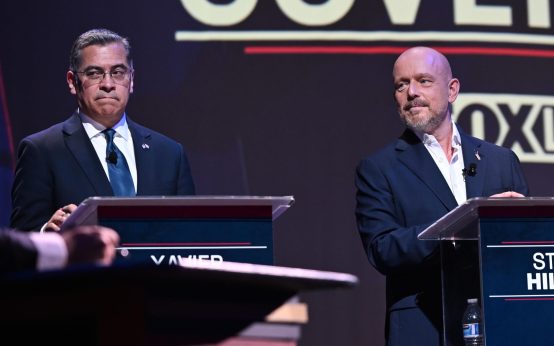 Becerra and Hilton Clash in California Gubernatorial Debate
  California Voters to Decide on $7.5 Billion State Research Fund
 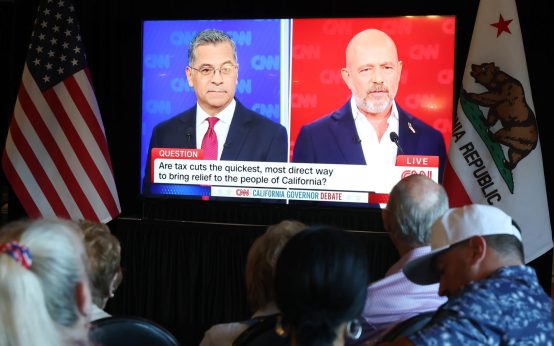 Highlights from the California Gubernatorial Debate: Becerra vs. Hilton
  Becerra vs. Hilton: The Debate and Key Issues in the California Governor Race
  Senate Confirms New Labor Secretary
  Hegseth’s Ambitious Military Initiatives to Reshape Warfare