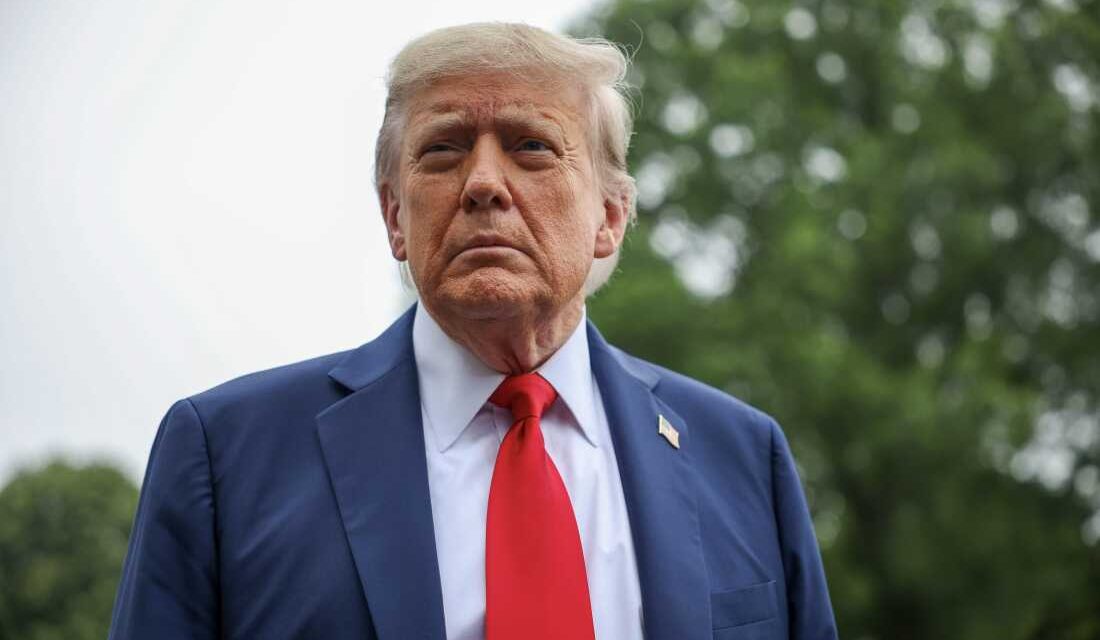
President Trump has introduced a fresh set of tariffs, aiming to bolster the U.S. economy and support American workers. However, evidence suggests these tariffs may negatively impact many households.
The U.S. recently replaced a temporary 10% tariff with new levies covering multiple countries. These tariffs range from 10% to 12.5% and are designed to be more robust legally, though they might face challenges from economists.
1. No Immediate Relief for American Households
Families continue to struggle with high living costs, primarily due to persistent inflation. The situation may worsen with renewed tensions in Iran potentially driving up gas and energy prices. Gas prices have already risen above $4 per gallon, according to AAA. Mortgage rates have also climbed, hitting their highest level in nearly a year.
Trump’s efforts to justify tariffs may further burden households, costing an additional $1,100 according to the Budget Lab at Yale University. The new tariffs, despite being similar to previous ones, maintain an average rate of 11%.
2. The Path to Lower Interest Rates is Tougher
New Federal Reserve Chair Kevin Warsh faces difficulties as inflation remains a concern. Should inflation rise, the Fed might increase rates, contradicting Trump’s hopes for rate cuts. Extending tariffs and threatening new ones adds economic uncertainty. According to Eswar Prasad, a professor at Cornell University, if tariffs stick, import prices will rise, fueling inflation.
3. More Uncertainty for Businesses That Rely on Imports
Businesses have endured volatility since Trump’s initial tariffs. Following a Supreme Court decision striking down many tariffs, businesses sought refunds. However, new tariffs are intended to withstand legal challenges, potentially leading to future court battles and continued uncertainty.
Prasad notes that businesses prefer stability, and this uncertainty can dampen investment and hiring. The administration also threatens additional tariffs, including on pharmaceuticals.
4. The Administration Argues There Will Be Benefits — But at What Cost?
Despite criticisms, the administration views tariffs as leverage to secure trade agreements. Trump argues tariffs will push manufacturers to create U.S. jobs. Yet, achievements have been lacking, though government revenue has increased. The Budget Lab projects $1.9 trillion in revenue from tariffs, according to Natasha Sarin, president of the Budget Lab.
Sarin acknowledges the revenue but warns of associated economic costs, including inflation and slower growth. The economic impact may represent a permanent decline due to such policy.
5. The Global Economy Could Continue to Bear the Tariff Fallout
Globally, Trump’s tariffs could keep countries on edge. Rising energy costs, due to U.S.-Iran tensions, have caused the International Monetary Fund to downgrade the global economy outlook. The U.S. has threatened additional tariffs on countries like Canada, aggravating international relations.
The global economy and American households have already faced extended uncertainty. With Trump’s tariff strategy unwavering, this situation may persist.
 The Trump Team’s Challenge to the Military Leadership
  Maryland First State to Restrict Electronic Pricing in Grocery Stores
  Activists Push for Nationwide Ban on Child Marriage in the U.S.
  Democratic Hopes and Historical Warnings in 2026 Senate Race
  Republicans Face Challenges Amidst Cost of Living Concerns
  A Different Kind of Fall for Congress This Year