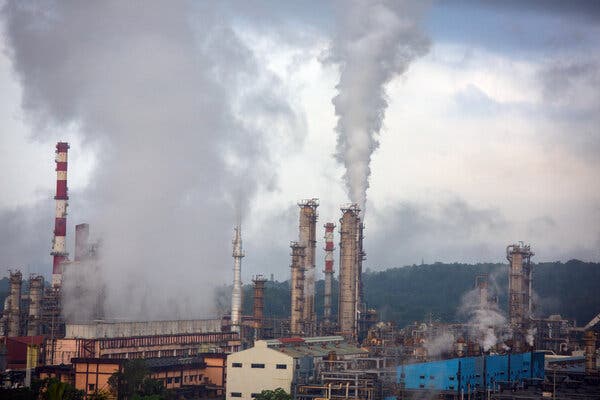
After months of shortages and uncertainty, India is eyeing a chance to revive an important energy relationship. Recent events, particularly supply disruptions due to war and high energy costs, left India, one of the biggest importers of oil and gas, on the brink of a crisis. A study by the Council on Energy, Environment and Water in New Delhi reported that India had only nine to ten days of oil reserves. Comparatively, Japan and South Korea had stockpiled approximately 200 days’ worth.
Hope arises as the United States and Iran preliminary agree to open the Strait of Hormuz and ease limitations on Iranian oil exports. This development offers potential relief for India. Despite being recognized as the fastest-growing economy among major nations, India’s economy has been under strain since the war began. The government, led by Prime Minister Narendra Modi, issued warnings of difficult times, increased fuel prices, and restricted overseas spending. Initially, cooking gas shortages affected households, then parts of India’s industry shut down.
Iran was a key energy provider for India until American sanctions forced a halt in their oil trade. In 2009, Iranian oil made up 14% of India’s crude imports, positioning Iran as its second-largest source at the time. By 2019, after pressure from President Trump, India had ceased importing oil from Iran completely.
With current supply limitations, India must secure oil from any available source. “We will take the cheapest barrel available, whether it is Russian or Iranian,” said Rajeev Lala, director at S&P Global Energy in Gurgaon, India. He noted India’s unique capacity to benefit from Iranian crude’s return.
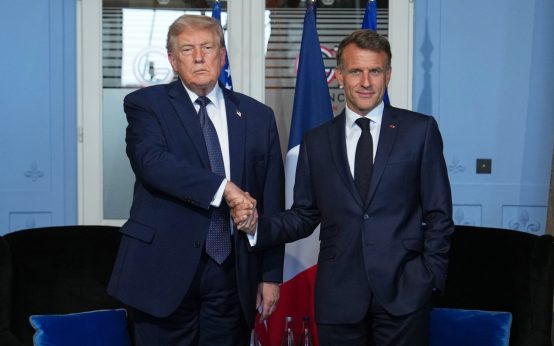 G7 Nations Agree to Release 100 Million Barrels of Oil Amid Fuel Price Surge
  Co-Pilot Attempts Hijack on Flight to Tel Aviv
  U.S. Revises Global Health Aid with New Strategy
 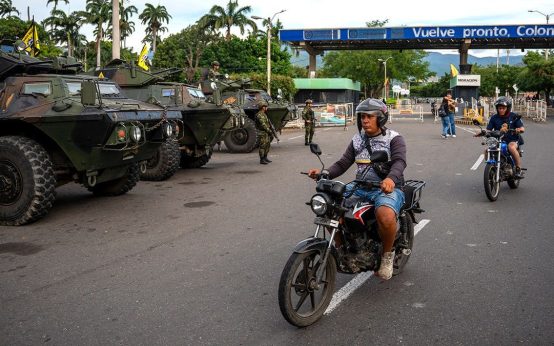 U.S. Warns Against Travel to Colombia’s Norte de Santander Due to Security Threats
  Reflections on 30 Years at Fox News
 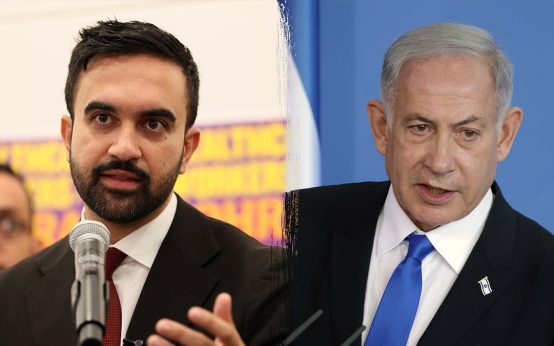 Mayor Mamdani Responds to Netanyahu’s United Nations Speech