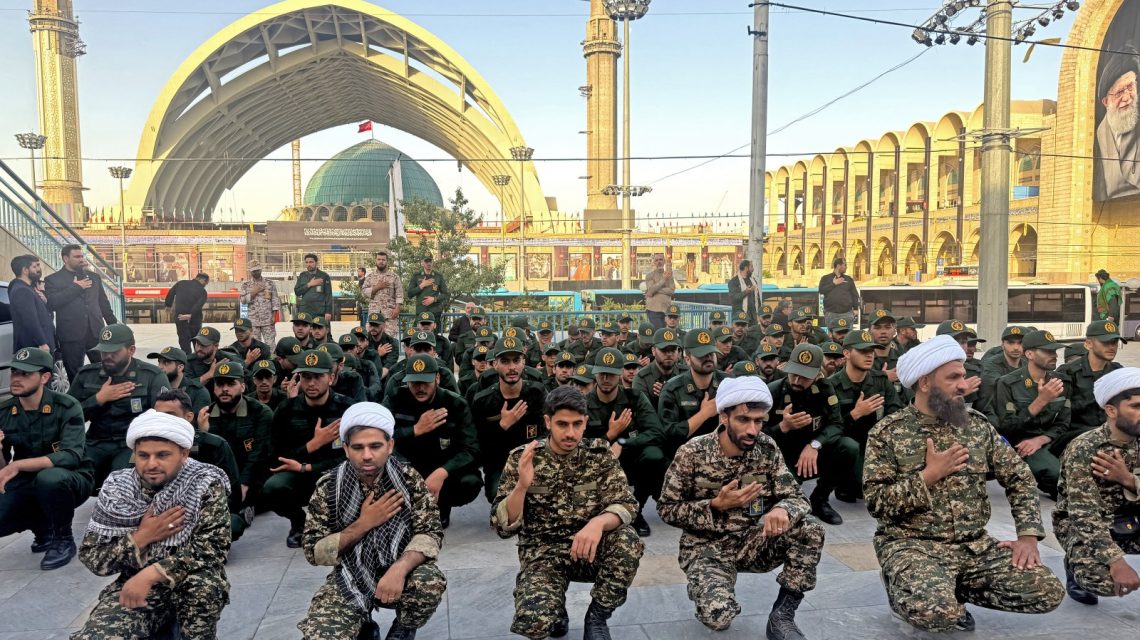
The coffin of Ali Khamenei, the former Iranian Supreme Leader, was brought to Tehran’s Imam Khomeini Grand Mosalla for a series of mourning ceremonies in Iran and Iraq. Khamenei, who had led Iran since 1989, died at 86 following Israeli and U.S. strikes on Tehran on February 28. These strikes marked the beginning of the Iran War. His burial, initially set for March, was delayed due to ongoing conflict in the region.
Mojtaba Khamenei, his son, succeeded him but has remained out of public view. Up to 20 million mourners are expected to pay their respects across Iran.
Mourning Rituals and Symbolism
The ceremonies coincide with U.S. Independence Day celebrations and Islam’s holy month of Muharram. Muharram is significant in Shia Islam for mourning the martyrdom of Imam Hussein, an ancestor of Khamenei. His casket was adorned with a red flag from Hussein’s shrine. The flag is described as a symbol of resistance and truth.
Planned Events
Khamenei will be honored in five cities across Iran and Iraq. His coffin arrived at the Mosalla on Friday, with public viewings set for the following morning. The Islamic Republic News Agency (IRNA) announced that farewell ceremonies will occur over two days, corresponding to the 13th and 14th of Tir in the Persian calendar and the 19th and 20th of Muharram. After a Tehran funeral procession, another will occur in Qom on Sunday.
The final funeral ritual, according to IRNA, will be held next Thursday in Mashhad. This coincides with the martyrdom anniversary of Imam Sajjad. His burial site will be the holy shrine of Imam Reza, the eighth Shia imam. Citizens and global supporters are invited to attend the ceremonies.
Logistics and Preparations
Media coverage in Iran has centered on the funeral, overshadowing discussions with the U.S. concerning recent Memorandums of Understanding. President Masoud Pezeshkian highlighted Khamenei’s death as a rallying point for national unity. Parliamentary Speaker Mohammad Bagher Ghalibaf called for public expression of national fervor.
Tehran has taken extensive measures to accommodate mourners. Overhead sprinklers will cool attendees, while Tehran’s airports will be closed, and cars banned to facilitate movement. The city has prepared 700 parking areas, and 50 million pieces of bread will be baked. Sixteen mobile bakeries will operate in the capital. The Red Crescent and authorities have arranged 2,500 ambulances, helicopters, drones, and rescue teams. Hospitals and substantial resources for medical needs and hospitality are ready.
A national campaign urges citizens to offer accommodations to visiting mourners. Mosques, sports halls, parks, and cultural centers in Tehran are prepared for the funeral.
International Participation
The Iranian state broadcaster IRIB reported diplomatic attendees from over 100 countries, though specific representatives are not all publicly known. Former Russian President Dmitri Medvedev, Pakistan’s Prime Minister Shehbaz Sharif, Armenia’s Prime Minister Nikol Pashinyan, Tajik President Emomali Rahmon, and Turkish Vice President Cevdet Yılmaz confirmed participation. Leaders from Turkmenistan, Iraq, Uzbekistan, and Georgia are also present. China will be represented by a senior lawmaker, He Wei.
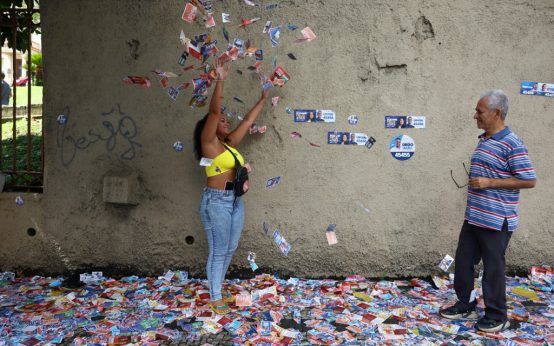 Brazilians Vote in Crucial Presidential Election
  Search Continues for Missing Michigan Woman Lynette Hooker
 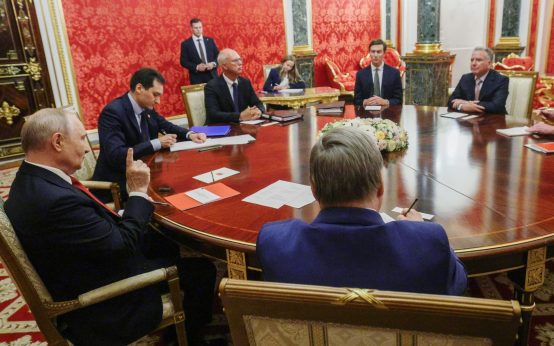 Russia Navigates Pressure and Diplomacy Amid Ongoing Conflict in Ukraine
 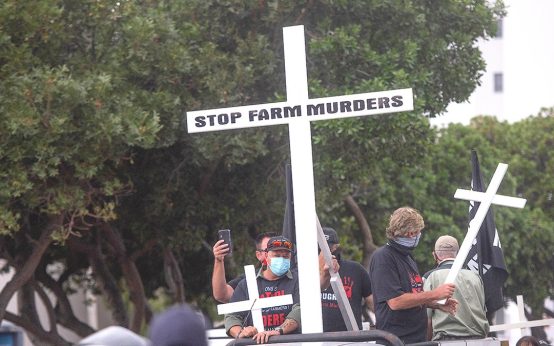 Tensions Rise Between U.S. Ambassador and South African President
  The Threat of Melting Glaciers: A Call to Action
 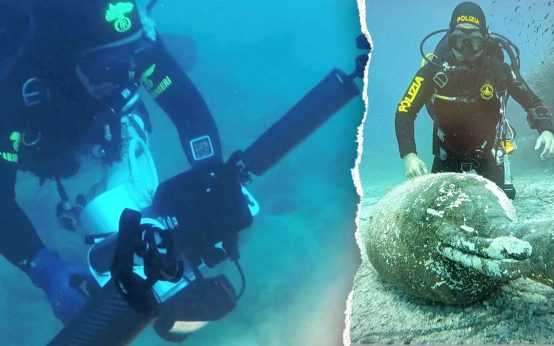 Police Discover Ancient Roman Artifacts Off Sardinian Coast