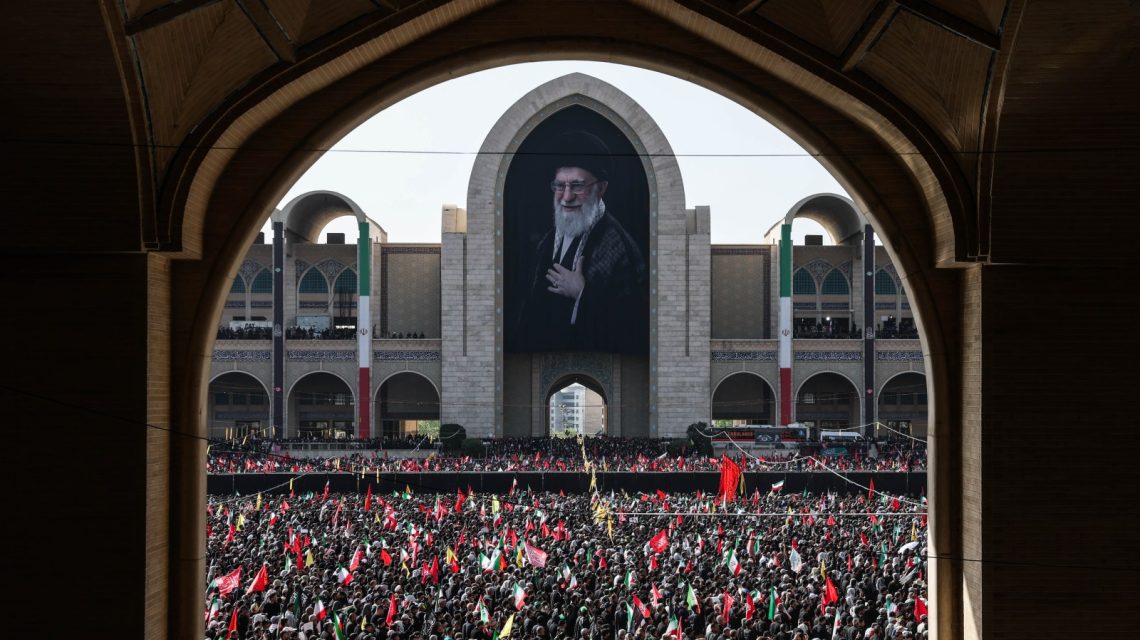
Iran has commenced extensive funeral ceremonies for Supreme Leader Ayatollah Ali Khamenei. These events are not only a period of mourning but also a source of tension involving Tehran, Washington, and Israel. U.S. President Donald Trump has remarked on the funeral in a significant holiday speech and interview, while Iranian officials warn against military actions during the commemoration. They have also increased security around the events.
Following the formal peace deal signed last month, U.S.-Iran talks are slated to resume after the funeral. Both sides are generating interest in how this mourning phase might influence future negotiations.
Trump’s Remarks on Iran
Khamenei died in airstrikes as the U.S.-Israel conflict with Iran began on February 28. His funeral is scheduled from July 4 to July 9. Despite the ongoing conflict and security issues, these are anticipated to be some of the largest public gatherings in Iran since Ayatollah Ruhollah Khomeini’s death in 1989.
President Trump addressed the funeral at an America 250 event in South Dakota, highlighting the recent hostilities. Trump claimed, “We knocked the hell out of Iran. They’re dying to settle. We gave them a week off for a funeral because we’re nice.” Axios reported even bolder comments from Trump, suggesting the congregation of high-ranking Iranian officials at the event offered a strategic opportunity, yet the U.S. refrained from action to preserve diplomatic channels.
The remarks underscore the significant assembly of Iran’s leadership and the administration’s interest in maintaining negotiation possibilities.
Iran’s Warnings to the U.S. and Israel
Iranian authorities have consistently cautioned the U.S. and Israel against military actions during the funerals. On July 2, General Ali Abdollahi warned against any “miscalculation,” promising severe retaliation for any threat or aggression. Iranian Foreign Minister Abbas Aragchi echoed this sentiment on July 1 following alleged remarks by Israeli defense officials.
Iran’s authorities have increased security and implemented temporary airspace restrictions over cities like Tehran and Mashhad, where main funeral events will occur.
Global Attendance and Significance
Representatives from over 70 countries have arrived to pay respects, alongside millions of expected mourners. The funeral, which began in Tehran and will end with Khamenei’s burial in Mashhad on July 9, transcends national grief for Iran, serving also as a show of unity and strength after conflict.
The international scope of the ceremony, with key political, military, and diplomatic representatives present, highlights ongoing U.S.-Iran-Israel tensions and poses questions about diplomatic future following the death of Iran’s long-time leader.
Post-Funeral Diplomacy
With additional funeral events in Tehran, Qom, and Mashhad, the diplomacy between the U.S. and Iran is anticipated to resume once these ceremonies are over. Outcomes of these talks remain undecided, creating worldwide interest in the next diplomatic chapter.
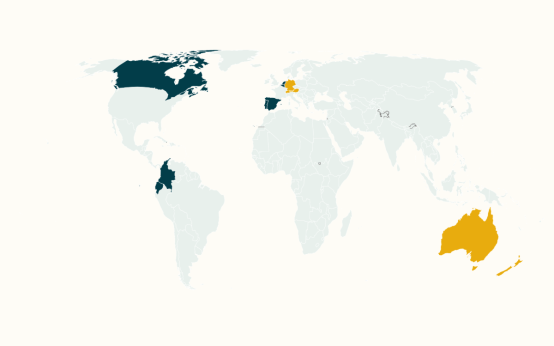 Dutch Review Board’s Euthanasia Ruling and International Debate
 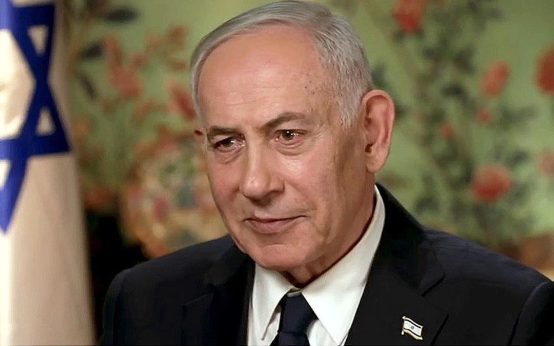 Israeli PM Commends Heroic Actions in Flight Emergency
  Rabbi and Jewish Leaders Criticize Adam Brody for ‘Genocide’ Comment
  Flydubai’s Emergency Landing Highlights Cockpit Security
  Former Israeli PM Naftali Bennett Commends Passengers and Crew for In-Flight Heroism
  Diplomatic Complexities Unfold at U.S. National Archives Visit