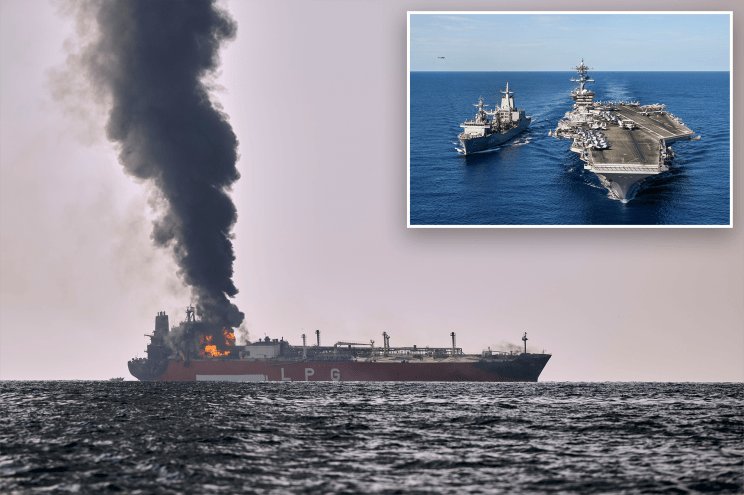
Iran has reportedly gathered over 14 tankers at its key crude-oil export terminal despite facing a US naval blockade. Euronews, using satellite images and ship-tracking data, stated that vessels have congregated near Kharg Island, responsible for 85 to 90 percent of Iran’s crude oil exports. Iranian crews and flags are prepared for a possible journey toward the Sea of Oman soon.
The Iranian government is allegedly looking at alternative methods to transport its oil. This includes transferring crude between ships at sea to obscure the origin and bypass US restrictions. However, maritime intelligence companies have warned that the claims of an imminent convoy to challenge American forces are unverified. The Maritime Executive noted that such claims originated from Fars News Agency, linked to Iran’s Islamic Revolutionary Guard Corps (IRGC). Fars stated that any US intervention could lead to attacks on energy infrastructure throughout the Persian Gulf.
Mohammad Enayati Najafabadi, associated with the IRGC, indicated that disrupting an Iranian tanker could result in explosions at oil sites in countries like the UAE, Saudi Arabia, and Oman. These warnings seem to be directed at any US attempts to intercept the vessels. Similarly, TankerTrackers, a firm monitoring Iranian oil exports, initially suggested Iran’s oil export plans but later clarified that reports of a convoy challenging the blockade were exaggerated.
The US has tightened restrictions on Iranian oil shipments and warned ships involved in sea transfers from Iranian ports that they could face penalties. US Central Command issued a maritime advisory warning of enforcement actions, including diversion and capture of vessels in violation. These measures came after reports of a ship-to-ship transfer of around 200,000 barrels of Iranian crude in the Persian Gulf.
The US oil blockade has severely impacted Iran’s economy. Prior to restrictions, Iran loaded approximately 2 million barrels of crude daily. Recent analytics indicate no significant loadings have occurred for months. Iranian Foreign Minister Abbas Araghchi expressed efforts to resume exports, emphasizing the importance of Kharg Island due to its deep-water terminal capable of supporting supertankers and storing up to 30 million barrels of oil. In contrast, other facilities like the port of Jask lack similar infrastructure.
Maritime analytics firm Windward has pointed out challenges to the US blockade, noting 31 tankers being close to the blockade line in the Arabian Sea. Additionally, 11 liquefied petroleum gas tankers were noted attempting to bypass the restrictions in recent months. Whether these vessels will challenge the blockade is still uncertain.
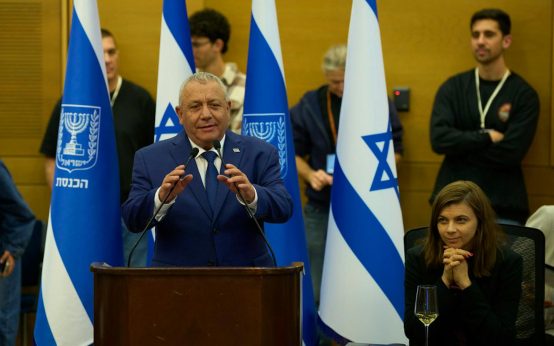 Netanyahu Faces Setback Amid Unity Government Talks
 The Silence of Women in Tech Regarding Jensen Huang’s Return
 Concerns Rise Over Death Sentence of Pakistani Christian Accused of Blasphemy
 The Controversy Surrounding Lake Ontario’s Renaming
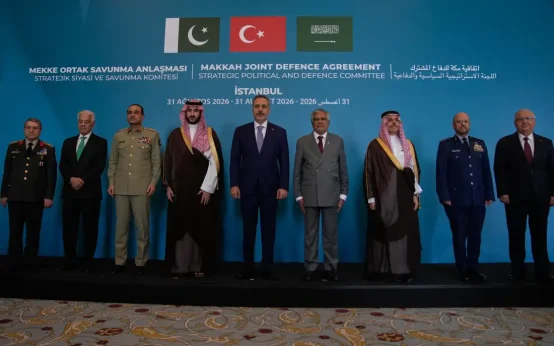 Pakistan to Bolster Saudi Defense Amid Houthi Attacks
 Opportunities and Challenges in Recent Developments