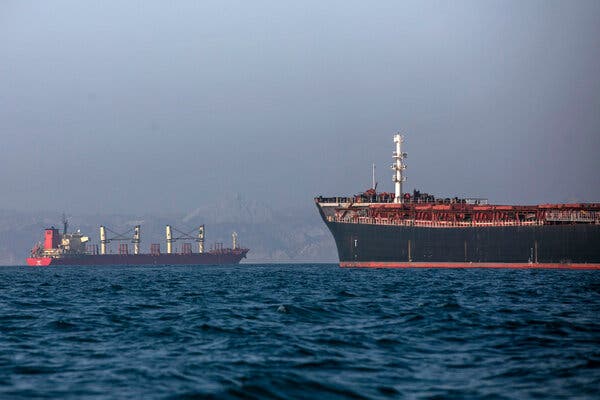
Iran aims to formalize control over the Strait of Hormuz by proposing charges for vessel passage. Previously, this waterway was a transit point for a significant portion of global oil and gas. However, this move contradicts international shipping norms that ensure free passage through such straits.
Experts believe Iran’s proposal is unlikely to succeed. Yet, it has unsettled the shipping industry, adding uncertainty to companies whose vessels and workers remain stranded in the Persian Gulf amid ongoing conflict in Iran.
The real worry is Iran might use this geographic choke point to influence passage long after the war ends. The ongoing threats highlight the conflict’s potential to inflict lasting economic harm globally.
Arsenio Dominguez, leader of the International Maritime Organization, expressed strong objection to any toll system in the strait. Recent discussions between Iran and Oman—a U.S. ally sharing the strait’s border—suggest plans for implementing passage fees. However, Dominguez affirmed that such talks go against the principle of free navigation and innocent passage.
During an interview, Dominguez reiterated his stance: “I’m not entertaining conversations relating to mandatory tolls, things that go beyond the freedom of navigation, the right of innocent passage.” The International Maritime Organization, a United Nations body, oversees global shipping and navigational rules.
Industry concerns and global oil supply uncertainties reflect the profound impact of the ongoing situation in Iran on the maritime sector and the world economy.
 State Department Simplifies Passport Process with Online Applications
 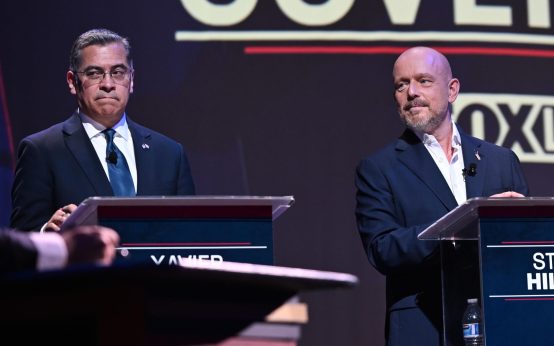 Becerra and Hilton Clash in California Gubernatorial Debate
  California Voters to Decide on $7.5 Billion State Research Fund
 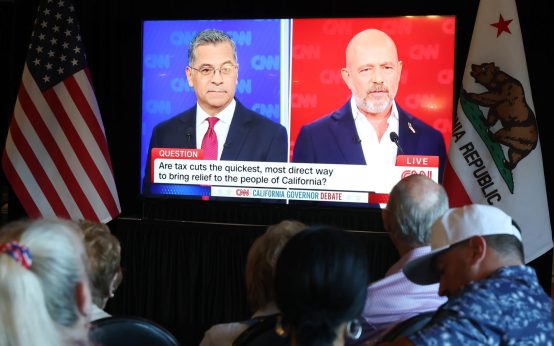 Highlights from the California Gubernatorial Debate: Becerra vs. Hilton
  Becerra vs. Hilton: The Debate and Key Issues in the California Governor Race
  Senate Confirms New Labor Secretary