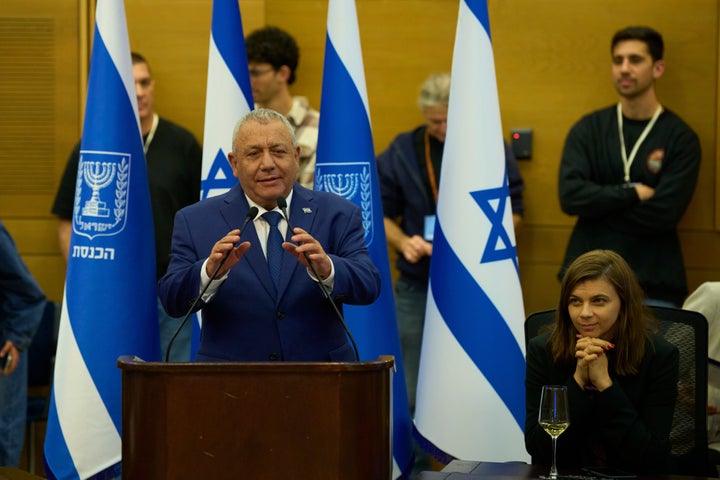
In Ramallah on November 22, Israeli settlers launched attacks on Palestinian villages in the occupied West Bank. The assault involved setting fires and vandalism, including racist graffiti, which led to the accusation of ‘Jewish terrorism’ by a prominent Israeli leader attempting to form a government.
These incidents mark a continuation of escalating tensions following Hamas attacks on Israel from Gaza in 2023. The situation is further complicated by recent political instability, with the incumbent prime minister, Benjamin Netanyahu, losing his majority in the latest election.
Gadi Eisenkot, head of the Yashar party, now tasked with forming a government, has criticized these actions. Observers from Reuters witnessed destroyed vehicles and graffiti with messages of ‘Revenge’ in areas near Ramallah.
Eisenkot condemned the attacks as ‘Jewish terrorism,’ asserting that such extremist acts threaten regional peace and Israel’s international standing.
He blamed the ultra-nationalist policies of ministers Itamar Ben-Gvir and Bezalel Smotrich for exacerbating the situation. Despite police and military deployments in affected areas, including Deir as-Sudan and Kafr Malik, the violence persists.
UN bodies have consistently disputed the legality of Israeli settlements, arguing they hinder the creation of a sovereign Palestinian state. In response to the attacks, Israeli police have initiated an investigation.
Ben-Gvir refuted Eisenkot’s statements, accusing him of aligning with Arab parties for political gain. Meanwhile, Bezalel Smotrich advocates for further settlement expansion and annexation of the West Bank.
Yousef Jabareen, leader of the largest Arab party in parliament, attributed the attacks to governmental policies that tolerate violence against Palestinians. He highlighted the roles of Ben-Gvir and Smotrich in fostering such an environment.
The Israeli parliament convened on November 10, post-election, without a decisive government. President Isaac Herzog has entrusted Eisenkot with government formation, yet his task seems daunting without potential coalition support from Arab parties.
If Eisenkot fails to form a government, Israel may face another national election next year.
 Spanish Election Shifts Power Dynamics: Trump Responds to Sánchez’s Defeat
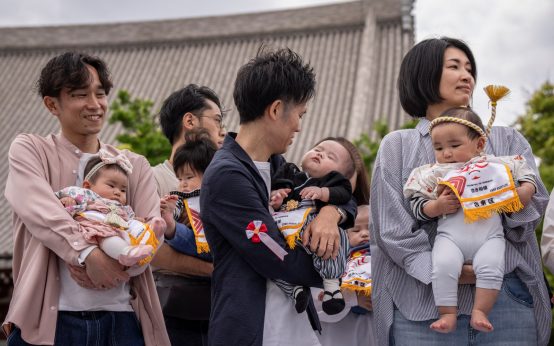 Japan’s LDP Proposes Financial Support for Families to Counter Population Decline
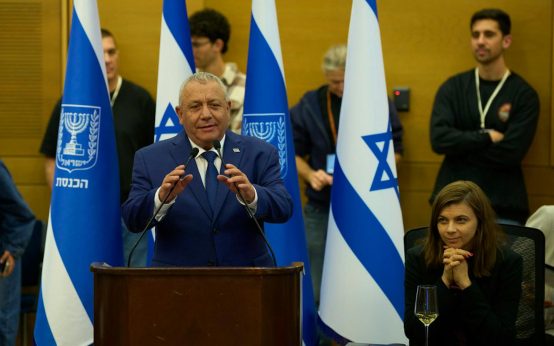 Netanyahu Faces Setback Amid Unity Government Talks
 The Silence of Women in Tech Regarding Jensen Huang’s Return
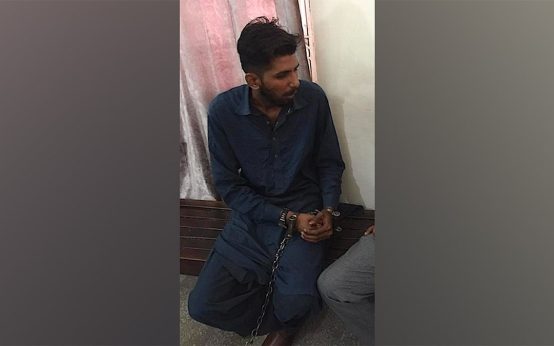 Concerns Rise Over Death Sentence of Pakistani Christian Accused of Blasphemy
 The Controversy Surrounding Lake Ontario’s Renaming