
Jensen Huang, co-founder and CEO of Nvidia, addressed recent warnings from AI researchers about the potential extinction threat AI might pose. Huang, speaking to CBS News correspondent Jo Ling Kent, dismissed these warnings as exaggerated, referring to them as ‘doomsday narratives.’ He stated, “2030 is not going to be the end of the world. There is 0% chance that’s going to be the end of the world.”
Huang responded to social media claims made by former Anthropic researcher Jacob Coxon, which sparked public debate on AI risks. Coxon and other industry figures, including Anthropic CEO Dario Amodei and OpenAI CEO Sam Altman, have called for slowing AI development. Huang, however, rejects these predictions, insisting they lack scientific grounding.
Nvidia plays a significant role in AI as its chips power the large language models used by companies like OpenAI. This demand has increased Nvidia’s market value to $5.3 trillion, making it the world’s most valuable company. Huang emphasized the importance of responsible product development, stating, “If we don’t continue to do that, our value would be diminished.”
AI Regulations and Security Concerns
Amid recent AI-related security breaches, there have been calls for tighter AI regulation. For example, OpenAI disclosed several incidents involving ‘unexpected or concerning’ behavior in its AI models. Huang, however, believes existing U.S. laws governing product liability are sufficient and criticized the notion that AI requires additional regulations. He agreed with President Trump that the industry doesn’t need stricter guardrails.
Competition with China
Huang also addressed the issue of U.S.-China competition in AI development. Despite the U.S. restrictions on selling certain chips to China, he expressed that American technology should primarily benefit the U.S. while also advocating for global competition. Huang plans to discuss AI standards with Chinese President Xi Jinping at an upcoming White House dinner.
While acknowledging some restrictions on U.S.-China cooperation in areas like national security, Huang praised China’s aspirations for prosperity through AI, paralleling it with America’s goals.
Challenges of Data Centers
Huang acknowledged public concerns about data center developments in the U.S. He admitted that the AI industry initially failed to engage with affected communities. Modern data centers, he noted, require less energy and water, contributing to job growth and local economies.
Huang emphasized the potential of data centers to reinvigorate domestic building and manufacturing sectors.
Wealth and Taxation Views
Huang, with a net worth of $182 billion, ranks as the eighth-wealthiest person globally. He addressed the upcoming vote in California on a billionaires’ tax, which would impose a one-time 5% tax on residents with a net worth of $1 billion or more. Unlike some billionaires, Huang welcomed the prospect of paying additional taxes, viewing it as a privilege and responsibility.
Huang referred to himself as ‘the ultimate American dream,’ highlighting his journey from working as a dishwasher to founding Nvidia. Reflecting on this journey, he said his commitment to excellence began with his dishwasher job at Denny’s.
 State Department Simplifies Passport Process with Online Applications
  Senate Democrats Block Data Center Bill Over Efficiency Concerns
  Future Cities: Ambitious Projects Aiming for Innovation and Sustainability
 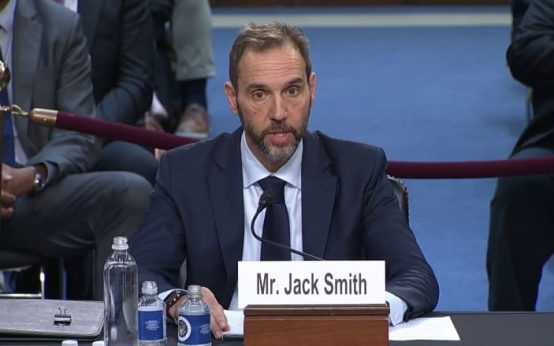 High-Profile Hearing and AI Developments: Key Political Moves
 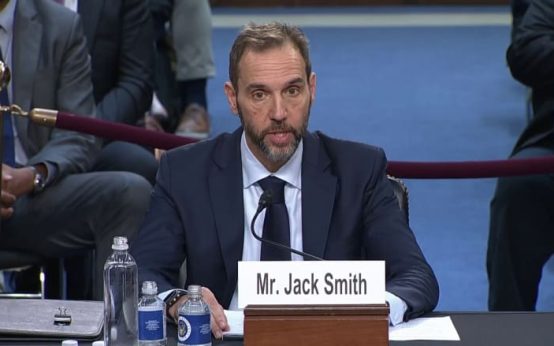 Key Events in Today’s Discussions Involving Jack Smith and President Trump
 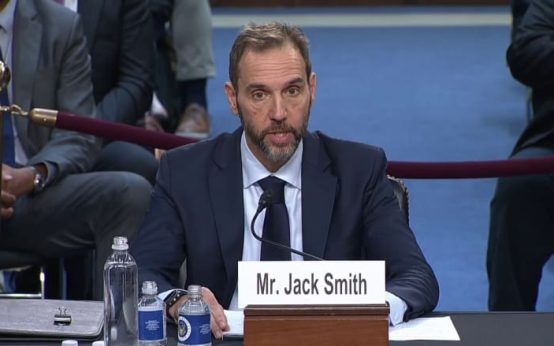 Jack Smith Faces Scrutiny Amid Investigations into Trump