Legal Victory for Trump Administration
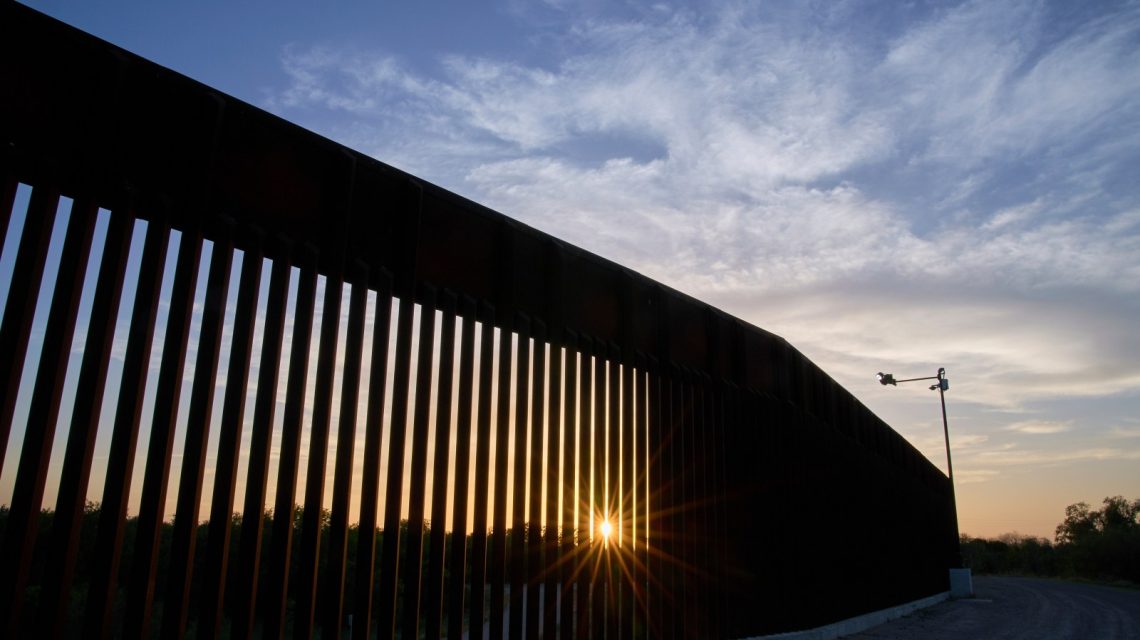
A federal judge supported the Trump administration’s efforts to continue building the southern border wall. This decision rejected the Tohono O’odham Nation’s attempt to stop construction on a 62-mile section of their reservation along the Arizona-Mexico border. The tribe argued that the wall would harm culturally important sites, disrupt religious practices, and further divide tribal communities located on both sides of the border.
Background of the Ruling
U.S. District Judge Richard Leon, appointed by President George W. Bush, denied the tribe’s request for a preliminary injunction. He stated that the tribe’s claims were “unlikely to succeed on the merits.” Judge Leon pointed out that the federal Roosevelt Reservation exists along the international border. He added that the tribe did not adequately prove that the wall construction would alter reservation boundaries.
“I conclude that plaintiff is unlikely to succeed on the merits because the federal Roosevelt Reservation exists along the international border and, in any event, plaintiff has not established that construction of a border wall will indeed alter Reservation boundaries,” wrote Judge Leon.
Historical Context
The Roosevelt Reservation was created in 1907 by President Theodore Roosevelt as a 60-foot-wide strip of federal land along the border. The Tohono O’odham Nation’s reservation was established roughly a decade later. The Nation claims it had aboriginal title to the land before the reservation’s creation.
Judge Leon stated that the government’s interests in securing the border outweighed the potential harms claimed by the tribe at this stage of litigation. He expected the government to engage with the tribe to address concerns related to the wall’s construction.
The Tohono O’odham Nation’s Response
The tribe’s reservation covers 2.8 million acres in Arizona, with 62 miles along the border with Mexico. Approximately 17 O’odham communities reside in Mexico, with members crossing the border for religious pilgrimages and ceremonies. The lawsuit argued that the wall would alter reservation boundaries and represent a trespass on tribal land.
The tribe has long opposed the wall’s construction, conveying that it would devastate sacred sites and disrupt community ties. Tohono O’odham Nation chairman Verlon M. Jose expressed disappointment with the ruling, noting unaddressed concerns over the wall’s impact on sacred lands.
“Too many critical issues were not adequately addressed, such as inevitable impacts on the Nation’s land,” said Chairman Jose.
Implications and Impacted Area
The 62-mile stretch runs through ecologically sensitive areas in Arizona’s Sonoran Desert. This area is known for unique wildlife and desert vegetation. The tribe’s ancestral lands extend beyond current reservation boundaries, reaching Phoenix, Tucson, and into Mexico.
Reasons for Border Wall Expansion
The Trump administration prioritized immigration enforcement and border security. Billions were allocated by Congress for barriers and security along the border. The federal government plans to use part of these funds for construction projects.
Challenges to the wall have come from religious groups and landowners. One case involves the government’s intent to control land near a Catholic pilgrimage site to facilitate border projects. Church officials argue this would interfere with religious practices.
Construction in Texas’s Big Bend National Park faced opposition. Critics, including local officials and environmental groups, argue the planned infrastructure would harm desert habitats and economic interests reliant on outdoor recreation.
 The Trump Team’s Challenge to the Military Leadership
  Maryland First State to Restrict Electronic Pricing in Grocery Stores
  Activists Push for Nationwide Ban on Child Marriage in the U.S.
  Democratic Hopes and Historical Warnings in 2026 Senate Race
  Republicans Face Challenges Amidst Cost of Living Concerns
  A Different Kind of Fall for Congress This Year