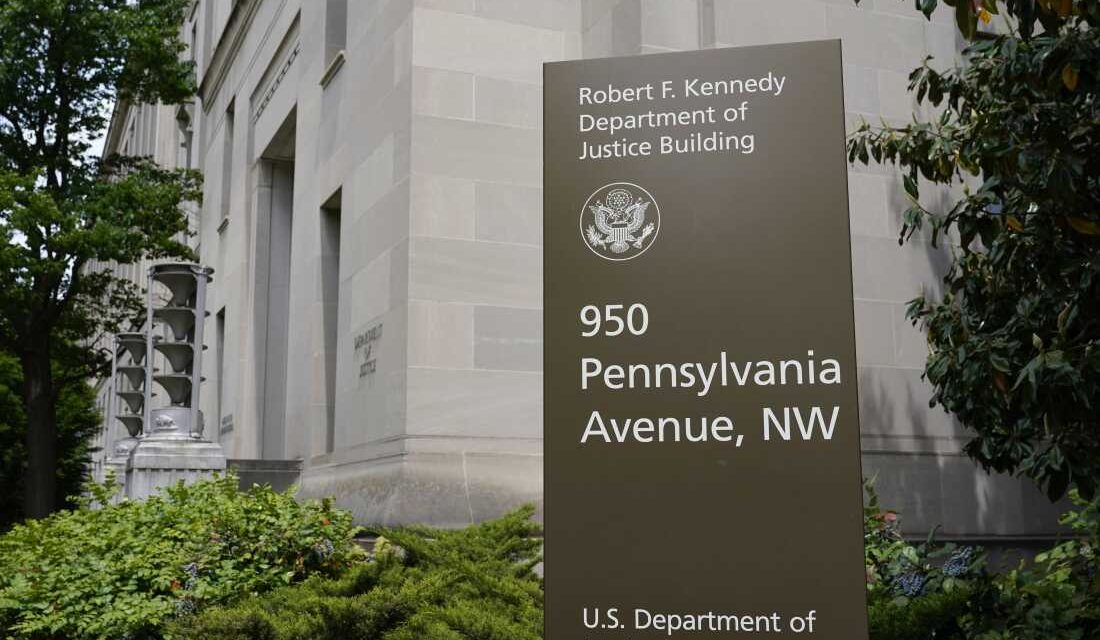
The Robert F. Kennedy Department of Justice building stands in Washington, D.C., as of May 4, 2021. Recently, the Justice Department released a memo that challenges longstanding civil rights protections for Americans with disabilities, causing concern among advocates and families.
This memo, from the Office of Legal Counsel, questions states’ obligations to provide in-home or community-based care for those needing support. Such services are vital for disabled Americans to live, learn, and work in familiar settings. According to Alison Barkoff, a professor at George Washington University expert in health law and policy, the government’s position is unprecedented, suggesting disabled individuals lack a right to community participation.
Without federal mandates, experts fear states may eliminate these services, reverting to practices that segregate disabled Americans in institutions. The American Association of People with Disabilities warns this memo threatens to regress civil rights, enabling states to warehouse individuals with disabilities. Shira Wakschlag from The Arc of the United States views the memo as a threat to progress in community living.
The Justice Department did not respond to NPR’s request for clarification on its position shift.
Legal Implications
The memo raises doubts about established legal interpretations. Section 504 of the Rehabilitation Act and Title II of the Americans with Disabilities Act mandate states offer services in the most inclusive environments. This is reinforced by the 1999 Olmstead v. L.C. Supreme Court case, affirming states’ responsibility to integrate disabled individuals into communities.
By 2023, Medicaid supported 8.4 million Americans with home- and community-based services. Lanora Pettit, Principal Deputy Assistant Attorney General for the Office of Legal Counsel, argues federal law doesn’t necessitate an “integration mandate.” According to Pettit, Olmstead’s ruling merely prohibits unjustified institutionalization, leaving “adequate justification” undefined.
Pettit acknowledges her perspective contradicts the common interpretation within federal courts.
Significance
Historically, the U.S. government has upheld an “integration mandate” requiring services in the least restrictive setting. Barkoff, involved in Olmstead enforcement under Obama, explains that institutionalization directly impacts personal freedoms.
The memo represents a shift in federal policy, raising concerns about a potential return to institutionalization despite alternatives being present and cost-effective. The timing coincides with the Texas v. Kennedy case, challenging states’ integration mandates.
Mathis from the Bazelon Center for Mental Health Law emphasizes that the memo doesn’t change existing law, as legislative power resides with Congress.
The immediate effects of the memo remain uncertain, but Olmstead enforcement appears to halt.
Background and Context
The memo follows President Trump’s July 24, 2025, executive order emphasizing institutional solutions for homelessness, attributing urban disorder to widespread addiction and mental health issues. The mandate suggests involuntary institutionalization to restore public order.
Trump has openly advocated for returning the severely mentally ill to institutions. The Cicero Institute, a conservative Texas think tank, supports aggressive tactics against homelessness, including institutionalization.
Federal disability law, demanding community-based services, is a major barrier to institutionalization. A memo footnote hints at these laws contributing to chronic homelessness. Conversely, Barkoff insists Olmstead has effectively provided services and housing stability to the homeless.
NPR highlights the Trump administration’s institutionalization plan faces logistical challenges, notably a shortage of facility beds.
The memo coincides with Congressional Medicaid cuts, impacting funding for community services. Legal experts note states must now reduce Medicaid-supported services. The memo grants states permission to rely more on institutionalization, despite its higher costs.
This arises amidst disability advocates opposing administrative changes for special education programs, fearing enforcement rollback of civil rights protections.
 Understanding Inflammation: Myths and Facts
 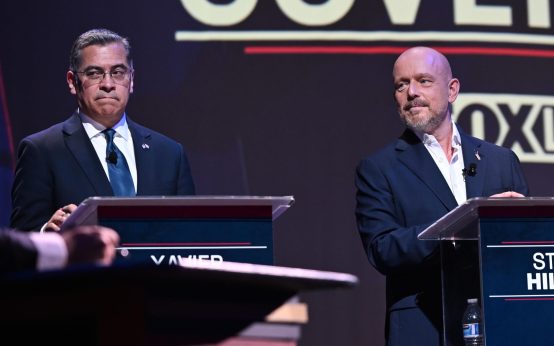 Becerra and Hilton Clash in California Gubernatorial Debate
  California Voters to Decide on $7.5 Billion State Research Fund
 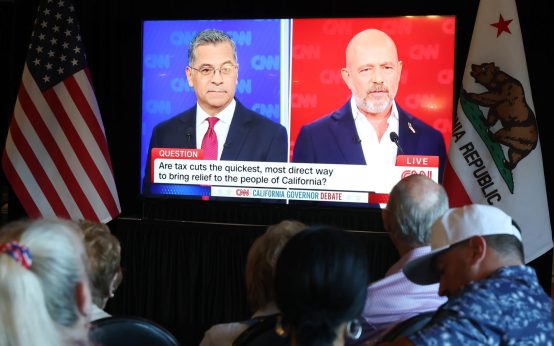 Highlights from the California Gubernatorial Debate: Becerra vs. Hilton
  Becerra vs. Hilton: The Debate and Key Issues in the California Governor Race
  Senate Confirms New Labor Secretary