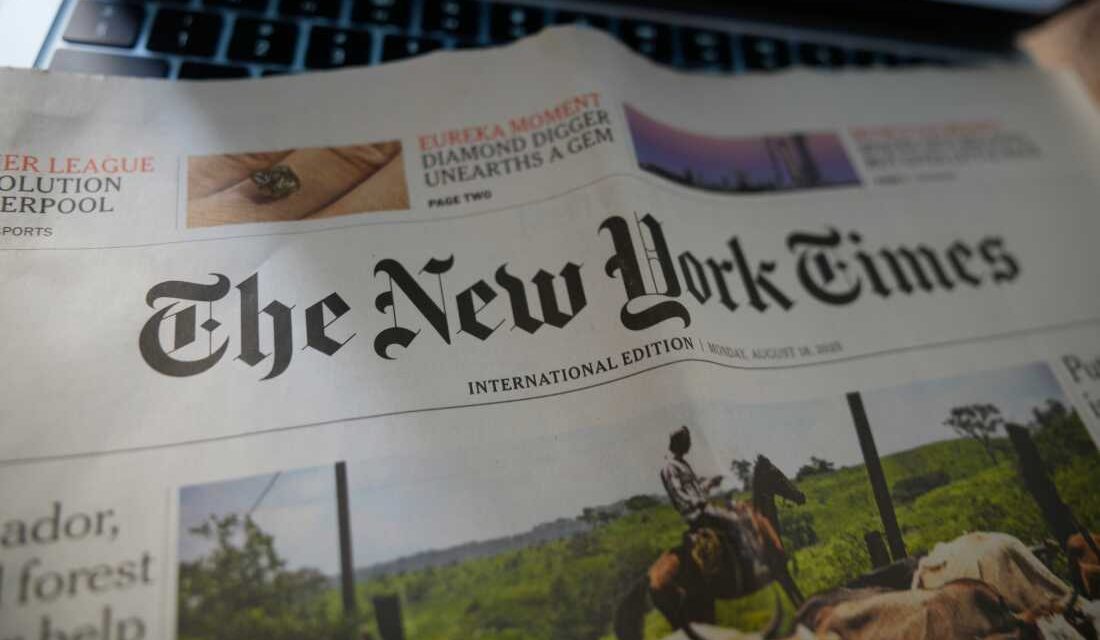
The Justice Department has decided to drop its subpoenas against New York Times journalists after facing intense questioning from a federal judge. The government initially pursued grand jury testimony and phone records, citing national security concerns shortly after the Times published articles involving President Trump and his use of Air Force One.
During a hearing, Judge Arun Subramanian criticized the actions of the Trump administration, suggesting violations of First Amendment protections for the press. The judge pointed out multiple legal missteps, threatening sanctions against federal attorneys if they did not comply with the law.
“It’s a great day for the First Amendment and a great day for the rule of law,” said David McGraw, the lead attorney for the New York Times, after the subpoenas were withdrawn.
Deputy U.S. Attorney Sean Buckley argued that the subpoenas were a last resort, but the judge dismissed this claim, urging them to follow legal precedents that protect journalists. The conflict highlights the administration’s attempt to broaden executive authority, argued by prosecutors who claimed the attorney general could override press protections when necessary.
A spokesperson for the Justice Department defended the investigation of leak-related charges, indicating the inquiry would continue despite the judge’s decision.
The judge further questioned Buckley’s tactics, critiquing the timing of the subpoenas—which were issued rapidly following the Times articles about Trump’s security concerns—and the subsequent public acknowledgment of those subpoenas.
Despite Buckley’s arguments, Judge Subramanian noted that seeking information from journalists should have been a last resort and pointed to the legal precedent that requires careful navigation of such actions.
The situation drew attention to the broader context within which the Trump administration operated, aiming for tightened control over information dissemination while engaging in confrontations with media entities.
Katherine Marsh, the wife of Times reporter Julian E. Barnes, spoke of her experience when FBI officials visited her home. Criticizing these tactics, she emphasized the invasive nature of the investigation.
Ultimately, Judge Subramanian and the federal courts defended journalistic freedoms, underscoring the importance of safeguarding media rights even within national security contexts. The handling of these subpoenas by the administration was met with scrutiny and resistance, prompting its eventual withdrawal.
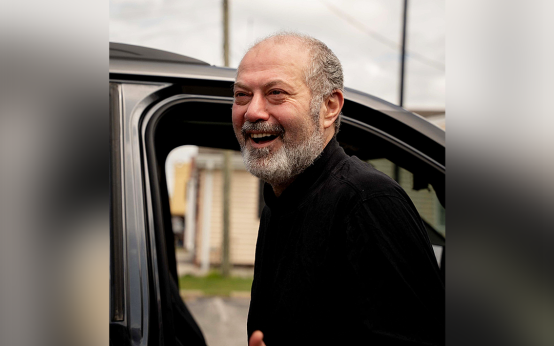 Immigration Judge Allows Deportation of Wisconsin Mosque Leader Salah Sarsour
 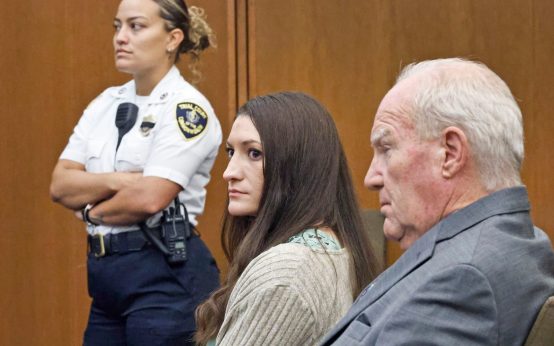 Lindsay Clancy Faces Potential Retrial After Mistrial
  Tennessee Prepares for Rare Execution of Woman on Death Row
  Mistrial in Lindsay Clancy Case: Juror Speaks Out
 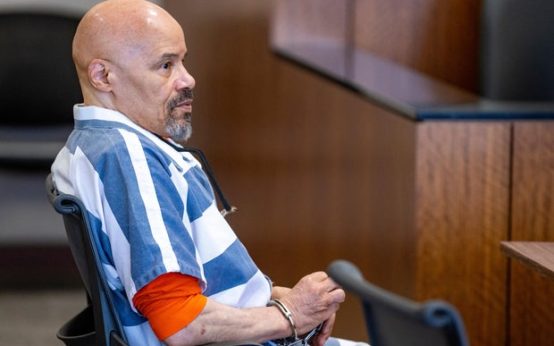 Utah Judge Orders Release of Man on Death Row After DNA Evidence Emerges
  Kurt Olsen Resigns from the Justice Department Amid Investigation