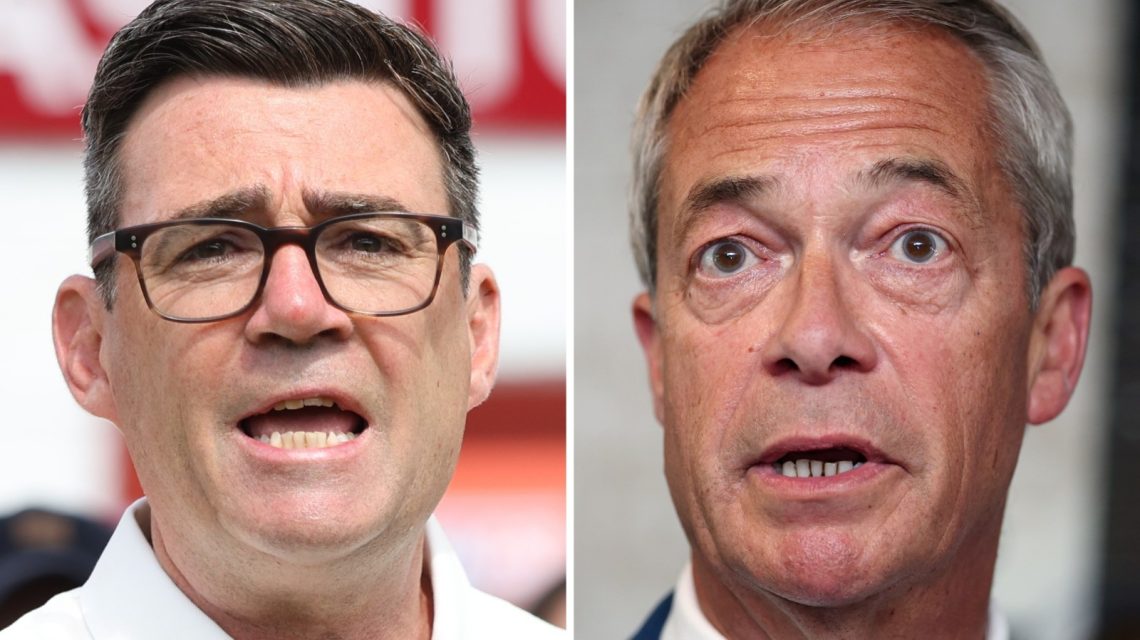
Keir Starmer’s resignation has intensified Britain’s political crisis by sparking a Labour leadership contest. Less than two years after Labour’s sweeping victory, he plans to resign as party leader but will remain in Downing Street until a successor is selected. Despite this, there will be no immediate general election because Britain’s prime minister is not separately elected. Labour’s significant majority in the Commons allows the new leader to assume office without a public vote.
This scenario conceals underlying instability. The next leader will face a party losing influence to Reform UK, contend with a challenging economy, and navigate foreign policy shaped by Europe, Trump’s Washington, and stressed defense commitments. While Labour can govern, it struggles to maintain dominant public support. Nigel Farage’s Reform party leads in many national polls and has gained traction in local governments. The Conservatives compete with Reform for right-wing voters, while the Liberal Democrats and Greens attract those disenchanted with the Conservatives and pro-European, younger voters.
Who Will Replace Keir Starmer?
Andy Burnham, the Greater Manchester mayor and former Cabinet minister, is a leading candidate to replace Starmer. Known for his emotional engagement, strong roots in northern England, and ease discussing class and public services, Burnham is perceived as Labour’s most credible alternative. However, he, or any successor, will assume leadership under significant pressure. Farage is already influencing conversations on migration, net zero, crime, and Brexit. Meanwhile, Michel Barnier, the EU’s former Brexit negotiator, has hinted at stronger ties between Britain and Europe, and Trump’s administration remains focused on issues like NATO, Ukraine, AUKUS, and defense spending commitments.
Starmer’s exit involves critical questions: Can Labour unite metropolitan progressives and working-class Brexit supporters? Can the UK strengthen economic ties with Europe without reviving Brexit conflicts? And can it remain a strong U.S. ally amid financial and military pressures?
Possible Outcomes Ranked by Likelihood
- A Reform Government
Likelihood: LowFor a Reform government to form within a year, an early general election would be needed. Reform would have to convert its polling advantage into parliamentary seats and either win a majority or gain support from Conservatives or other groups. Current projections show Reform as the largest party but not the majority.
If Reform governs, changes would be rapid. EU relations could regress, youth mobility could become contentious, and aligning regulations with Brussels could be seen as undermining Brexit. Immigration, asylum policy, net zero initiatives, North Sea oil, and public-sector reform would likely dominate discussions. Relationships with Washington might appear warm if Trump returns and Farage gains power. However, expectations for defense spending and maintaining commitments like NATO and AUKUS would persist.
Bottom line: A Reform government soon is improbable, albeit not impossible.
- A Snap Election Produces a Reform-Led Hung Parliament
Likelihood: Low to ModerateThis outcome would occur if politics outweigh caution, causing Burnham to call an election for a mandate, or severe Labour divisions force it. However, Labour’s Commons majority suggests no legal need for an early election before 2029. If an election happened soon, Reform could potentially become the largest party, based on projections.
Britain’s electoral system varies; it gave Labour a significant majority in 2024 with just 33.7 percent of the vote. By 2026 or 2027, a divided electorate might deliver Reform numerous seats. Electoral Calculus indicates tactical voting against Reform could cost the party approximately 60 seats.
Bottom line: A snap election is unlikely unless Burnham experiences a significant boost. A hung parliament led by Reform remains a potential outcome.
- The Economy Turns Against Burnham
Likelihood: ModerateIn this case, Burnham’s government could become constrained by economic challenges rather than parliamentary issues. Economic signals are concerning. CPI inflation remained at 2.8 percent in May, and service sector inflation increased to 3.7 percent. The Bank of England maintained its rate at 3.75 percent in June, but some members advocated for a raise—a reminder that inflation persists.
The public finances present a more considerable threat. Borrowing reached £23.3 billion in May, exceeding forecasts, with record-high debt interest and public sector debt. Burnham has limited options for populist measures, facing competing demands for NHS spending, defense, housing, and local government funding, all under market scrutiny.
Defense remains a particular concern. NATO allies have pledged to allocate 5 percent of GDP annually to defense and security by 2035. Britain retains a significant military role, yet Germany has surpassed it in defense spending rankings. The U.S. will question if Britain can sustain its pledges, like AUKUS expansion and nuclear program funding.
Bottom line: Economic growth might superficially improve but could still feel politically troubling. Fiscal constraints put Burnham’s promises at risk.
- Burnham Survives—But Reform Sets the Agenda
Likelihood: HighThis reflects a scenario where Burnham remains prime minister, but Reform influences the political narrative. Reform’s local-election gains were significant, overtaking Labour in several councils. Immigration poses particular challenges for Labour, with migration numbers indicating problems on both fronts.
Burnham may adjust stances on asylum and EU interactions but faces challenges capturing public sentiment on issues like immigration, sovereignty, and energy costs—areas where Reform holds sway. The EU reset would proceed cautiously, as Barnier suggests a potential UK return, contingent on exceptions like retaining the pound. Yet Labour’s fears about free movement remain.
Bottom line: Burnham could lead, but Reform wields substantial public discourse influence.
- Burnham Survives and Stabilizes Labour—But Does Not Transform Britain
Likelihood: HighestThe most plausible scenario is Burnham becoming prime minister, avoiding an imminent election, altering governance tone, and stabilizing Labour. Burnham recently secured a by-election victory, improving Labour’s majority where Reform was competitive. He holds better public perception than Starmer, being seen as relatable and clear.
Still, success in this case means stabilizing rather than revitalizing Labour. Economic growth is modest, GDP achievements remain low, and market forecasts suggest limited improvements. Burnham’s leadership would see some recovery among progressive and northern voters while maintaining complex EU negotiations without rejoining. The U.S.–UK relationship would stay strong yet pragmatic, balancing NATO involvement and domestic strategies.
Bottom line: Success for Burnham involves halting Labour’s decline.
Could Burnham Succeed or Collapse?
Burnham can stabilize Labour by regaining voters from other parties and governance without market disruptions. A formal collapse of Labour appears unlikely due to its majority, but a political erosion is possible if initial policies falter, EU negotiations ignite migration controversies, or if Reform capitalizes electorally.
Economic conditions might see slight improvements, yet not enough to significantly bolster Labour. Elements like low growth, persistent inflation, and pressured spending will endure. The public may hear recovery, but economically or in services, feel constrained.
Britain in 12 Months
By mid-2027, Burnham may still lead without triggering a general election. EU relations could cautiously advance, with a resilient but transactional U.S. engagement. Reform might continue influencing polls by challenging the traditional political landscape.
The two-party system faces strife: Labour holds parliamentary control, yet Reform captures momentum. The Conservatives struggle for relevance amid economic strain, complicating easy political pathways.
Starmer’s resignation signifies when a Reform government became plausible. While avoiding immediate downfall, the broader political environment now bears more potential for a Reform-led era.
 President Trump’s Pre-Midterm Interview on Key Issues
  Trump’s 2024 Reelection and Evolving Voter Dynamics
  Defense Secretary Emerges as Key Player in the Trump Administration
  Hegseth’s Vision for the Military: Balancing Tradition and Innovation
  Significant Funding Boosts Ken Paxton’s Texas Senate Campaign Amid Tight Race
  U.S. States Extend Gas Tax Waivers Amid Rising Fuel Costs Due to Iran Conflict