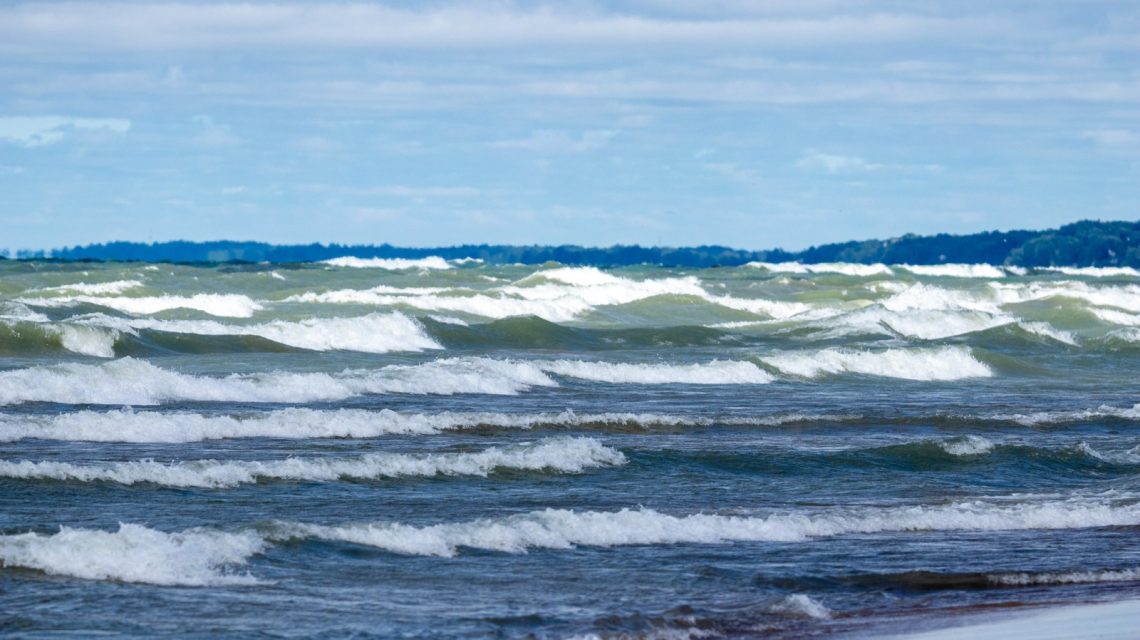
Beach hazard statements have been issued for areas along Lake Michigan, warning of high waves, dangerous currents, and rip currents. These conditions could pose life-threatening risks to swimmers planning to visit the shoreline this weekend.
Recent alerts followed widespread warnings across all five Great Lakes, urging nearly 1 million people to avoid the water due to hazardous conditions from Lake Superior to Lake Ontario. The National Weather Service’s (NWS) Great Lakes Beach Hazards program issues statements when a high swim risk occurs due to waves, rip currents, or other dangerous currents.
Specific Advisories in Wisconsin and Michigan
New advisories are targeted at sections of Wisconsin and Michigan. Strong wave action and currents are creating hazardous swimming conditions through Friday and, in some places, into Saturday.
Forecasters emphasize that Great Lakes currents can be as dangerous as those in the ocean. The Great Lakes Surf Rescue Project (GLSRP) highlights that dangerous currents, including rip currents and structural currents near piers and breakwalls, lead to numerous deaths every year. GLSPR reports about 1,480 Great Lakes drownings since 2010; 65 occurred this year with 35 in Lake Michigan.
Warnings are coming after the summer lifeguard season has ended at many beaches. GLSRP executive director Dave Benjamin notes that beaches typically have lifeguards from Friday of Memorial Day weekend to Monday of Labor Day weekend. Not all beaches employ lifeguards, leaving beachgoers to face dangerous water conditions without trained rescuers.
Impacted Beaches
The NWS identified several beaches as particularly vulnerable due to dangerous currents and high waves.
- Wisconsin Beach Warnings
- Kewaunee County – Crescent Beach, City of Kewaunee Beach
- Manitowoc County – Point Beach, Neshotah Beach, Red Arrow Beach
- Door County – Rock Island State Beach, Baileys Harbor beaches, Whitefish Dunes Beach
The NWS expects high waves and dangerous currents from Friday afternoon to Saturday afternoon, advising residents and visitors to avoid the water.
- Michigan Warnings
- Southern Schoolcraft County – Lakeview Park, Seul Choix Point
The Marquette NWS office forecasts life-threatening swimming conditions due to high wave action and strong rip currents on Friday afternoon and evening. Previous similar wave setups at these locations have been linked to rescues and fatalities.
Earlier, a large weather system generated dangerous waves and currents across all five Great Lakes, making these warnings crucial.
The Danger of Underestimating the Great Lakes
Beach safety experts emphasize that visitors often underestimate the Great Lakes due to their inland nature. Yet, strong winds over open water can create waves and currents comparable to ocean coastlines.
Surviving a Rip Current
Safety officials advise avoiding panic if caught in a rip current. Rip currents are powerful, narrow channels flowing away from the shoreline, leading to exhaustion and potential drowning.
Instead of swimming directly against the current, experts recommend conserving energy. The GLSRP suggests the strategy “Flip, Float and Follow”—turn onto your back, float to conserve energy, and then follow the current’s path to determine a safe escape route.
Swimmers should move parallel to the shoreline instead of toward the beach. Once free of the current, angle back toward shore. If escape is difficult, continue floating, conserve energy, and signal for help.
The NWS and water safety experts highlight that the safest choice during active beach hazard statements is to avoid the water. Currents can overwhelm even experienced swimmers near piers, breakwalls, river mouths, and open beaches.
With lifeguards absent after Labor Day and hazardous conditions expected this weekend, officials urge visitors to check local forecasts before going to the shore and to treat beach hazard statements seriously.
 Record Low Hydropower Output in the Southwest
 Data Centers Face Challenges in Vernon, Los Angeles
 Rams Captured Relaxing in Residential Area
 Global Climate Finance and the Developing World: A Turning Point
 Hidden Plastics in Everyday Items
 The Final Journey of the SS United States