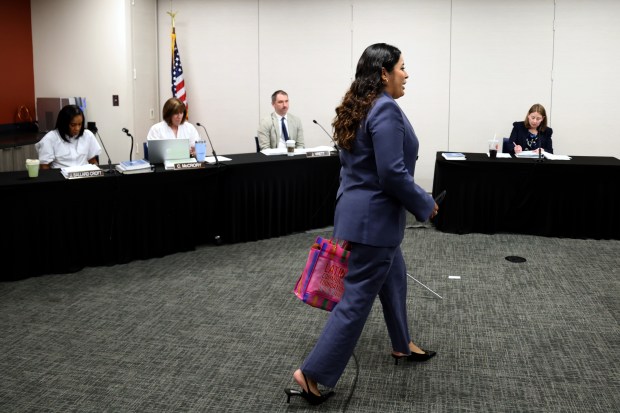
Progressive Chicago Alderman Byron Sigcho-López has initiated a lawsuit against the Illinois State Board of Elections and its members. This legal move attempts to secure a place on the 4th Congressional District ballot. Filed on Friday, the lawsuit follows the board’s determination that both Sigcho-López and fellow independent candidate Mayra Macías failed to gather enough signatures to qualify for November’s ballot.
Sigcho-López contests this decision, claiming the rules applied were unfair and need to be overturned. He expressed frustration, stating that signatures collected from thousands of voters were challenged in a manner that provided little opportunity for defense. “That’s not protecting elections,” he remarked. “That’s protecting the status quo and rigging the system for party bosses.”
The lawsuit demands both the inclusion of Sigcho-López on the ballot and a declaration that current state laws governing independent runs are unconstitutional. This development marks another chapter in a race characterized by behind-the-scenes political maneuvering.
The contention began when Patty García secured the Democratic nomination. Outgoing U.S. Representative Jesús “Chuy” García’s retirement announcement came just as signatures were required for the primary ballot. Patty García, the congressman’s former chief of staff, was the sole candidate informed in time to gather signatures, leading to criticism and independent campaigns from Sigcho-López, Macías, and Lyons Mayor Chris Getty.
Challenges to the signatures of Macías and Sigcho-López surfaced from individuals connected to both the congressman and Patty García. The state election authorities concluded their review last month, disallowing both from the ballot despite their submission of more than 17,000 signatures, the maximum allowed.
The independents faced a formidable task: securing nearly 11,000 valid signatures, significantly more than the 697 required for Patty García’s Democratic primary candidacy. Additionally, they had to swiftly address challenges invalidating their submissions.
Sigcho-López, supported by 4th Congressional District resident José Guerra, emphasized the broader implications of their lawsuit. “It’s about whether the people of the 4th District get a real choice in this election or whether political insiders get to decide elections before a single vote is cast,” he stated. “Our democracy belongs to the people, not party bosses. Thousands of voters stood with us, and they deserve to have their voices heard.”
Macías is currently assessing Sigcho-López’s lawsuit with her legal team and considering joining the legal action. She acknowledged the federal lawsuit’s slim chance of success in placing her on the ballot. “There’s a world in which it could, but that is unlikely,” she commented. However, she noted that challenging the board’s decision could open opportunities for future independents. “We saw in this process that it is fundamentally unfair to have such different thresholds for independent candidates,” she explained.
Matt Dietrich, spokesperson for the Illinois State Board of Elections, and Kait Sweeney, campaign spokesperson for Patty García, both chose not to comment on the lawsuit.
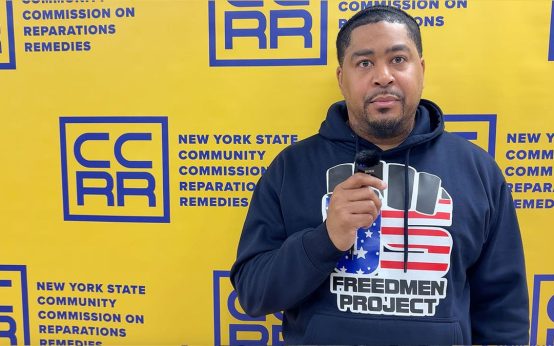 Push for Reparations Faces Challenges and Calls for Strict Eligibility
 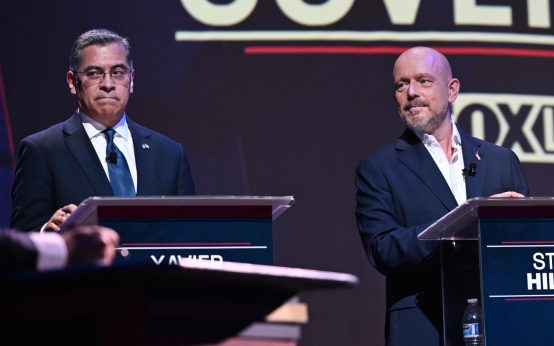 Xavier Becerra and Steve Hilton Debate on California’s Future
 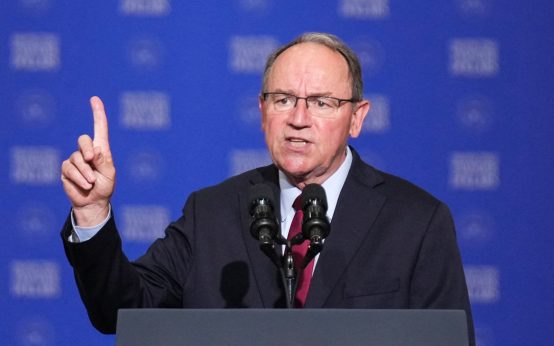 Wisconsin Gubernatorial Race: Tiffany vs. Crowley in a Tight Contest
  California Gubernatorial Debate: Becerra vs Hilton
  Gavin Newsom Seeks Inspiration from Bill Clinton for Potential Presidential Run
  California Superintendent Candidate Stands Firm Against Teachers Union Criticism