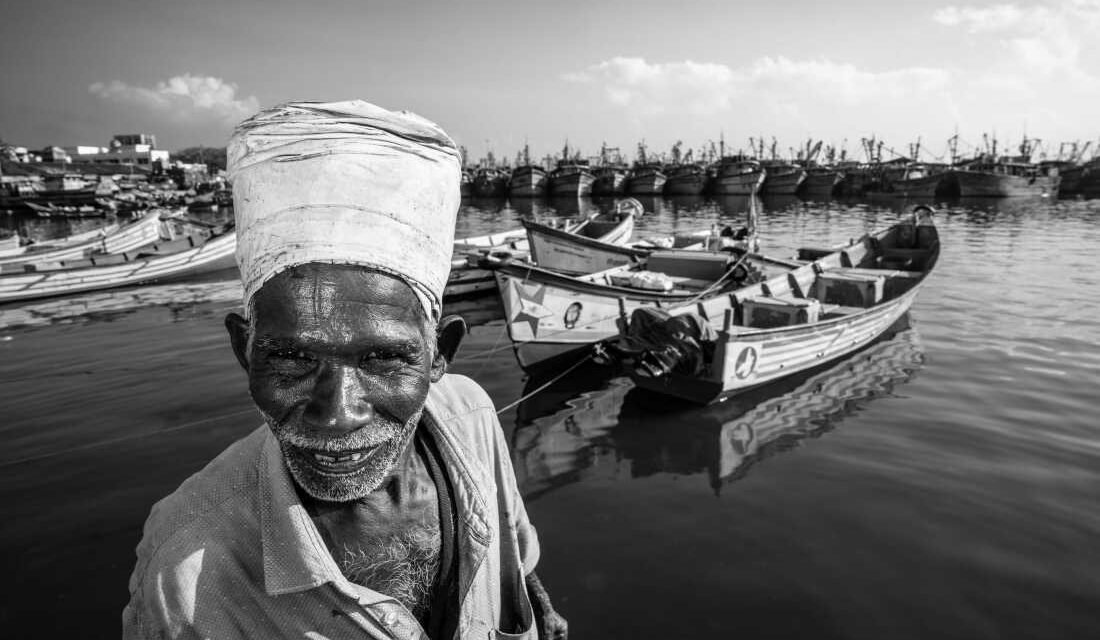
Pavadairayan, a 60-year-old migrant laborer known as a “basket man,” is part of the workforce at Kasimedu Fishing Harbour in Chennai, India. He carries fish on his head from boats to the auction house, working every day from 2 a.m. to 7 a.m. Despite the pitch darkness, he navigates slippery pathways cluttered with fish scales and seawater.
He makes the third-of-a-mile journey dozens of times per shift for the auction, which begins at 4 a.m. Each basket weighs roughly 35 pounds. Supervisors closely monitor these workers, docking pay and imposing fines if fish are suspected missing. Earning about $5 per day, he faces tough conditions and few rights. Yet, he values the job for the free time it affords him. “Sleeping under open skies with the salt sea breeze is heaven,” he shares.
Pavadairayan is one among 30,000 people contributing to Kasimedu’s bustling activities, including fishermen, auctioneers, hawkers, and others. The harbor overflows with more than 1,000 boats, though designed for fewer than 600.
Nandu Kumar, 65, also works at the harbor, having transitioned from fisherman to fish vendor. Previously involved in smuggling goods due to high customs duties in the ’80s, he ceased when economic reforms restricted the practice in 1991.
In 2010, tragedy struck when his heavily drinking son-in-law drowned off his boat, leading Kumar’s daughter to eventually take her life. With two grandchildren to support, Kumar opted for selling fish onshore, a more consistent income than fishing, which offered no guarantees of return.
Researchers and social workers, like Bhagat Singh, emphasize the risky nature of this work. Workers and fishermen face economic hardships with no safety nets and minimal government support. The younger generation often looks for more reliable jobs, although many return to fishing for its inherent independence.
Nizamuddin, 25, represents this generation, fully aware of the low youth participation at the harbor. He’s embraced the demanding lifestyle, helping his family while completed education for his brothers, expressing no regrets over his path.
Kumar likens the sea to a mother’s lap, providing warmth and comfort regardless of hardships faced. The power of the sea draws many back to its embrace despite challenges.
Every morning, Kumar finds solace in watching fishermen return, recalling the exhilarating unpredictability of fishing life.
 Tragedy and Immigration: The Impact on a Family
  The Journey of a Fox News Correspondent: From Infectious Diseases to On-Air Reporting and Beyond
 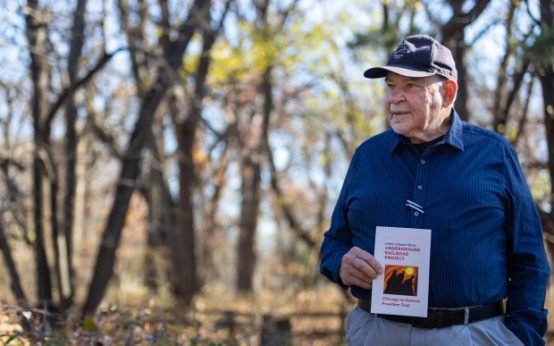 Midwest Underground Railroad Network Gains National Recognition
  Journalist Jodie T. Allen Passes Away at 88
  American Hagwon: A Tale of Family and the Korean Diaspora
  A Mother’s Journey Raising a Child with Down Syndrome