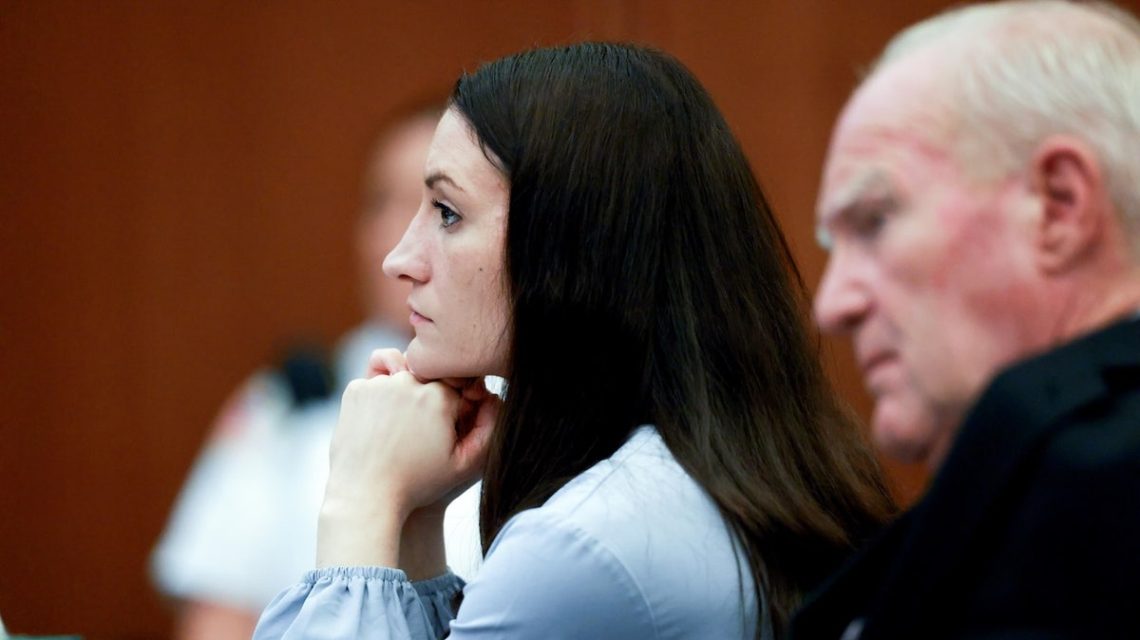
In the case against Lindsay Clancy, striking details about jury dynamics and defense strategies are emerging. Clancy, 36, faces charges of first-degree murder following the deaths of her three children, Cora, Dawson, and Callan, found strangled at their home in January 2023.
The defense argues that Clancy was suffering from postpartum psychosis, which her attorney claims influenced her actions. The jury consists of twelve women and six men, but only twelve will participate in deliberations while the rest serve as alternates.
Rep. Tommy Pope, involved in the Susan Smith prosecution, reflected on potential jury biases, noting, “Women on the jury might not be as sympathetic to Clancy as expected, which is different from popular assumption.” According to Pope, many women might connect their personal experiences with motherhood, however challenging, as intrinsic aspects of their lives, making them less inclined to be sympathetic toward Clancy.
Clancy’s physical condition adds complexity to the prosecution’s case. She has been paralyzed, which might influence jurors’ perceptions in unexpected ways. Pope stated, “Her physical condition might lead some jurors, particularly men, to perceive her as having been already punished.”
The debate around postpartum psychosis is central. The prosecution challenges the claim, questioning Clancy’s mental state during the incident. Forensic psychiatrist Gregory Saathoff noted an inconsistency in Clancy’s self-reported hallucinations, emphasizing she had not previously mentioned them to any health professionals.
On the other side, defense witnesses support the psychosis argument. Forensic psychiatrist Dr. Phillip Resnick testified that Clancy was experiencing “command hallucinations,” likening her to a “puppet” controlled by external forces.
The trial underscores the discussion on mental health, with supporters voicing concerns about insufficient support for women experiencing postpartum issues. One supporter highlighted, “Mental health support is deemed inadequate, and the trial sheds light on these gaps,” expressing hope for increased awareness and better provisions.
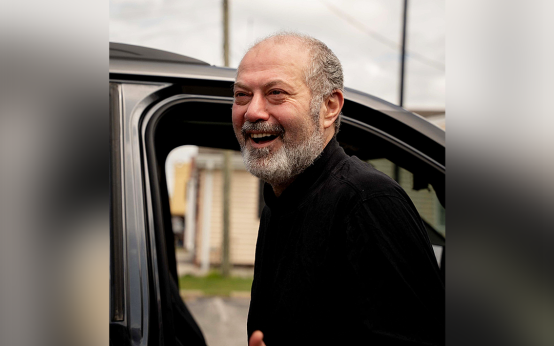 Immigration Judge Allows Deportation of Wisconsin Mosque Leader Salah Sarsour
 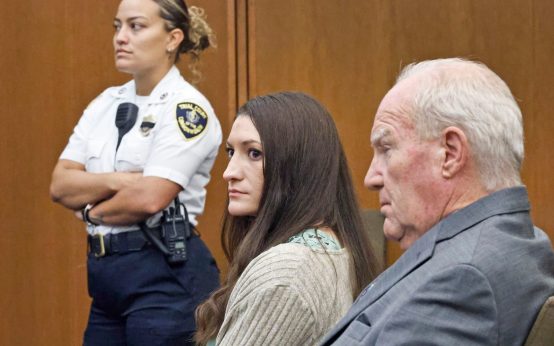 Lindsay Clancy Faces Potential Retrial After Mistrial
  Tennessee Prepares for Rare Execution of Woman on Death Row
  Mistrial in Lindsay Clancy Case: Juror Speaks Out
 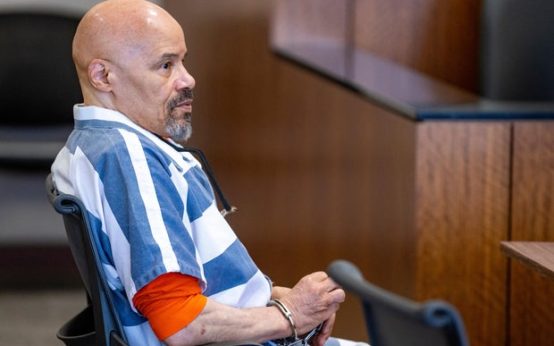 Utah Judge Orders Release of Man on Death Row After DNA Evidence Emerges
  Kurt Olsen Resigns from the Justice Department Amid Investigation