For the second time in recent days, Lebanon finds itself at the forefront of the uncertain U.S.-Iran agreement.
Following the announcement of a cease-fire in Lebanon, the situation quickly worsened. Within 24 hours, the temporary truce dissolved into further violence with renewed Israeli strikes and retaliatory fire from Hezbollah.
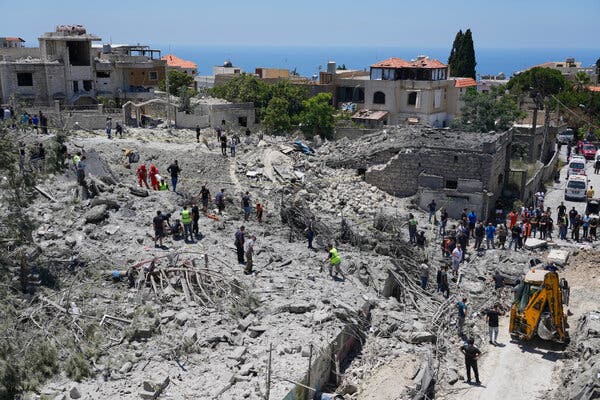
On Saturday, Israeli military actions resulted in significant casualties and damage across southern Lebanon. Reports from Lebanon’s health ministry indicated at least seven people were killed and over a dozen injured due to the Israeli attacks.
The Israeli forces justified their operations, stating that they were in response to more than 50 projectiles launched by Hezbollah at Israeli troops stationed in southern Lebanon. Israel has maintained control of significant areas there since March.
This ongoing cycle of violence jeopardized a preliminary peace agreement between the United States and Iran, which included halting military operations in Lebanon as a key term. In retaliation to the escalating conflict, Iran announced the closure of the Strait of Hormuz to maritime traffic, citing continuous Israeli aggression.
Hezbollah’s report on the conflict stated their forces confronted Israeli troops moving towards Ali al-Taher, a strategic location near Nabatieh. This area has become a contentious point in the ongoing struggle.
A reaffirmed commitment to the cease-fire by Hezbollah was declared, although they stated a refusal to accept any advancement or expanded occupation by Israel.
Despite these declarations, Israeli authorities stated their intention to continue operations within the self-designated ‘security zone’ in southern Lebanon, which now extends over six miles into the territory.
Analysts suggest that this deadlock makes achieving a peaceful resolution difficult, with the risk of escalation jeopardizing the broader U.S.-Iran peace negotiations.
The Lebanese military reported that an Israeli strike resulted in the death of one of its soldiers. The military, which receives substantial U.S. support, is not involved in the Hezbollah-Israel conflict. However, it has been affected by the broader violence.
 Dutch Review Board’s Euthanasia Ruling and International Debate
 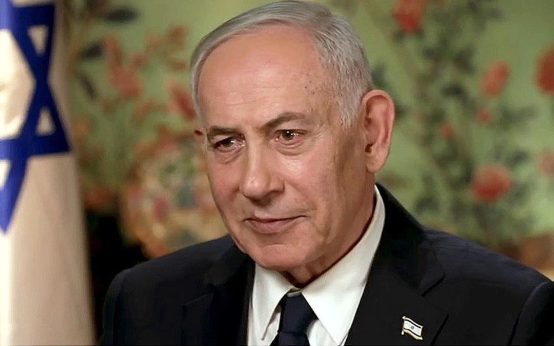 Israeli PM Commends Heroic Actions in Flight Emergency
  Rabbi and Jewish Leaders Criticize Adam Brody for ‘Genocide’ Comment
  Flydubai’s Emergency Landing Highlights Cockpit Security
 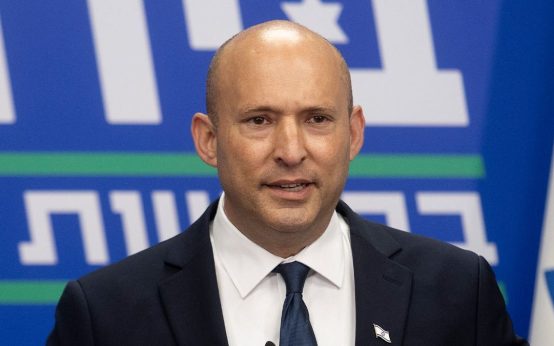 Former Israeli PM Naftali Bennett Commends Passengers and Crew for In-Flight Heroism
 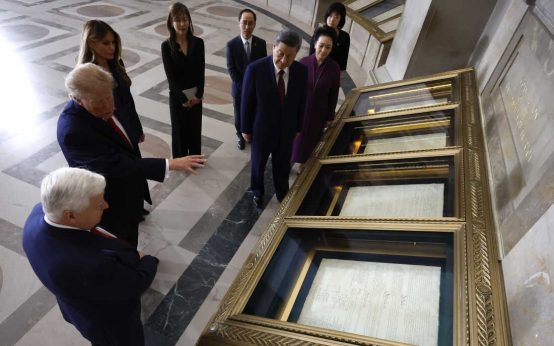 Diplomatic Complexities Unfold at U.S. National Archives Visit