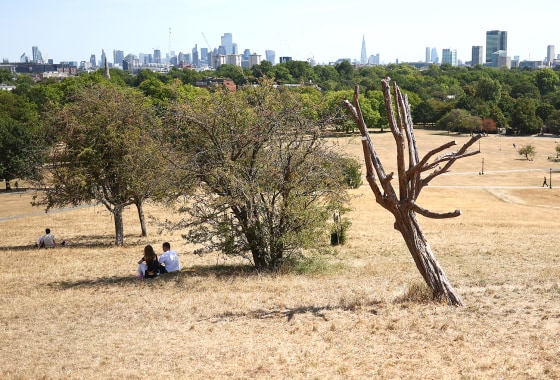
London’s parks, known for their lush greenery, are now facing a dramatic transformation due to prolonged drought and persistent heatwaves. The current weather conditions have led to a striking change in the appearance of these famed spaces, with many turning from vibrant green to a dry, brown landscape. This shift is visible across the city, impacting not only the visual appeal but also raising concerns about potential wildfires as temperature records continue to break.
The visible impact of the extreme weather is evident at places like Green Park, where the name now seems ironic given the stark contrast in its current state. The situation highlights the ongoing challenges urban green spaces face amid changing climate patterns.
Last week, visitors at London’s Primrose Hill sought refuge under whatever shade they could find, such as the sparse canopy of trees, to escape the scorching sun and the dry, parched grass surrounding them. This scene is becoming increasingly common across the city as residents and tourists find themselves coping with unexpectedly harsh conditions.
These occurrences underscore the need for adaptive strategies to manage and preserve urban green spaces in the face of extreme weather. London, like many cities globally, must consider sustainable practices to ensure these parks continue to provide respite for its inhabitants.
 Senators Reach Bipartisan Agreement on Permitting Reform
  Experts Warn of Critical Period for the Colorado River
 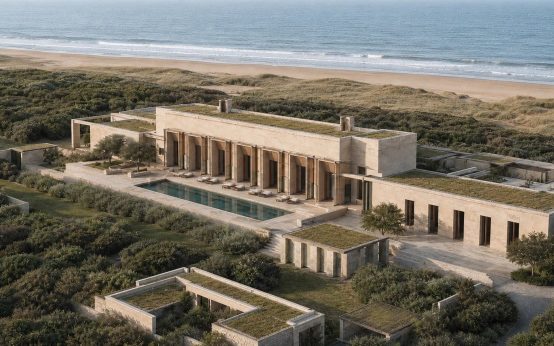 Future Cities: Ambitious Projects Aiming for Innovation and Sustainability
  Supreme Court Case Suncor vs. Boulder: Implications for Accountability in Climate Change
  Hawaii Faces Impact of Record El Niño Through Recent Hurricanes
  Efforts to Save the Endangered American Red Wolf