Climate Rollbacks and Beneficiaries
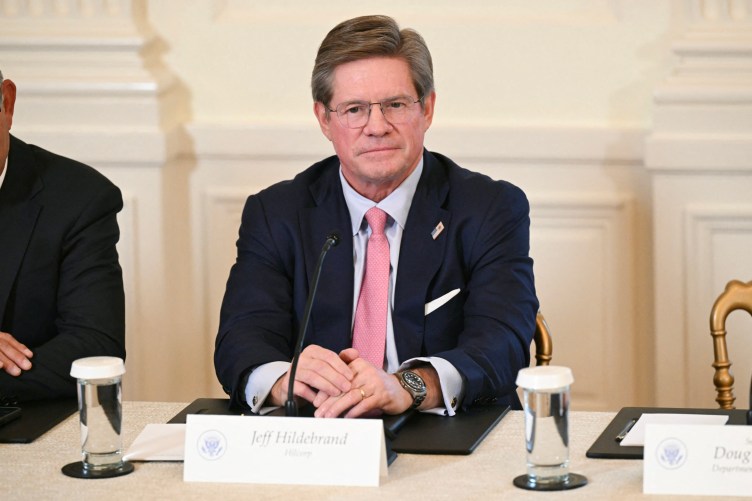
Recent plans from the Trump administration’s Environmental Protection Agency (EPA) propose easing restrictions on oil and gas wells. These wells, while producing minimal energy, significantly contribute to methane emissions. Oil billionaire Jeffery Hildebrand, a major donor to Trump, stands to gain substantial benefits. Society will bear the brunt of the environmental costs.
The Influence Campaign
A former lobbyist for Hildebrand is now active within the EPA, revising methane rules with input from industry groups supported by Hildebrand.
In January, Jeffery Hildebrand arrived in Washington, D.C., aboard his Gulfstream G600. By afternoon, he was in the White House’s East Room, along with other energy executives, responding to President Trump’s appeal for a $100 billion investment in Venezuela’s oil sector. Amidst cautious executives, Hildebrand, a Trump supporter, expressed readiness to engage in Venezuelan oil infrastructure rebuilding.
Hilcorp and Methane Emissions
As the founder of Hilcorp, Hildebrand sees the importance of favorability with the administration. Known as a significant polluter, Hilcorp emits large amounts of methane, a potent greenhouse gas. With tight methane regulations from the Biden administration threatening his business model, Hildebrand backed Trump, contributing millions to his campaign.
Trump appointed a one-time Hilcorp lobbyist to lead the EPA’s efforts to relax methane regulations, likely benefiting Hildebrand and his company.
Impact of Stripper Wells
Stripper wells, contributing 6% of the nation’s oil and gas, surprisingly account for about half of the sector’s methane emissions. Studies highlight their role in climate change as they often leak due to insufficient monitoring and maintenance.
Organizations like Ceres, a climate advocacy group, identify stripper wells as a strategic target for emissions reduction. Andrew Logan from Ceres suggests that a small production loss could halve emissions, emphasizing the power dynamics in the decision-making process.
Field Observations and Super-Emitter Events
Last August, infrared camera operators Pinto and Eisenfeld visited a Hilcorp well in New Mexico. Despite official reports indicating no venting, a caution sign warned of random venting at the site. Infrared cameras revealed persistent leaks. Such emissions often arise due to neglect or malfunctions, potentially lasting from hours to weeks.
Carbon Mapper reported a significant methane plume from one Hilcorp site, equivalent to twelve times its standard production volume. These emissions contribute substantially to climate change, heightening occurrences like heatwaves and droughts.
Regulatory Challenges
Methane, though typically invisible, becomes a more powerful climate pollutant when directly released into the atmosphere. Despite its potential value, economic considerations often lead to it being vented or flared, with regulations permitting these actions for older wells.
Research indicates U.S. oil and gas systems often leak more methane than reported. Recent studies have shown that methane emissions are, on average, three times the reported figures due to unreported super-emitter events.
Mitigation Opportunities
Stanford’s Rob Jackson shares an optimistic view, noting that fixing methane emissions offers immediate climate change mitigation benefits due to methane’s relatively fast atmospheric breakdown compared to carbon dioxide.
Hildebrand’s Approach to the Oil Industry
Hildebrand’s journey in oil and gas began with purchasing underperforming wells. By cutting costs and finding additional value, he has built a $15 billion fortune. Despite substantial methane emissions, his philanthropic efforts focus on wildlife conservation rather than climate change.
He once cited a philosophy of extracting wealth from the earth, subtly acknowledging environmental tensions in the current political landscape.
Industry Influence and Regulation Battles
The Biden administration’s stringent methane rules present a challenge to Hildebrand’s operations. Hilcorp began upgrading aging equipment in response to emerging regulations. However, Hildebrand’s political contributions have risen, seeking support to counteract compliance costs.
Efforts to deregulate emissions include lobbying for exemptions and enacting legislation to shield industries like Hildebrand’s from future Democratic administrations.
The Role of Political Contributions
Hildebrand’s political donations, supporting Trump and other Republicans, highlight the intertwined relationship between energy interests and policy-making. As Trump voiced opposition to methane fees, industry representatives engaged directly, influencing regulatory outcomes.
A Wealthy Legacy Amidst Regulatory Relaxation
The Trump administration’s proposed rollback of methane rules, influenced by Hildebrand’s extensive political network, challenges efforts to curb climate change.
These actions illustrate the complex dynamics of environmental policy, energy interests, and political influence, shaping the future landscape of climate regulations and their impact.
 The Trump Team’s Challenge to the Military Leadership
  Maryland First State to Restrict Electronic Pricing in Grocery Stores
  Activists Push for Nationwide Ban on Child Marriage in the U.S.
  Democratic Hopes and Historical Warnings in 2026 Senate Race
  Republicans Face Challenges Amidst Cost of Living Concerns
  A Different Kind of Fall for Congress This Year