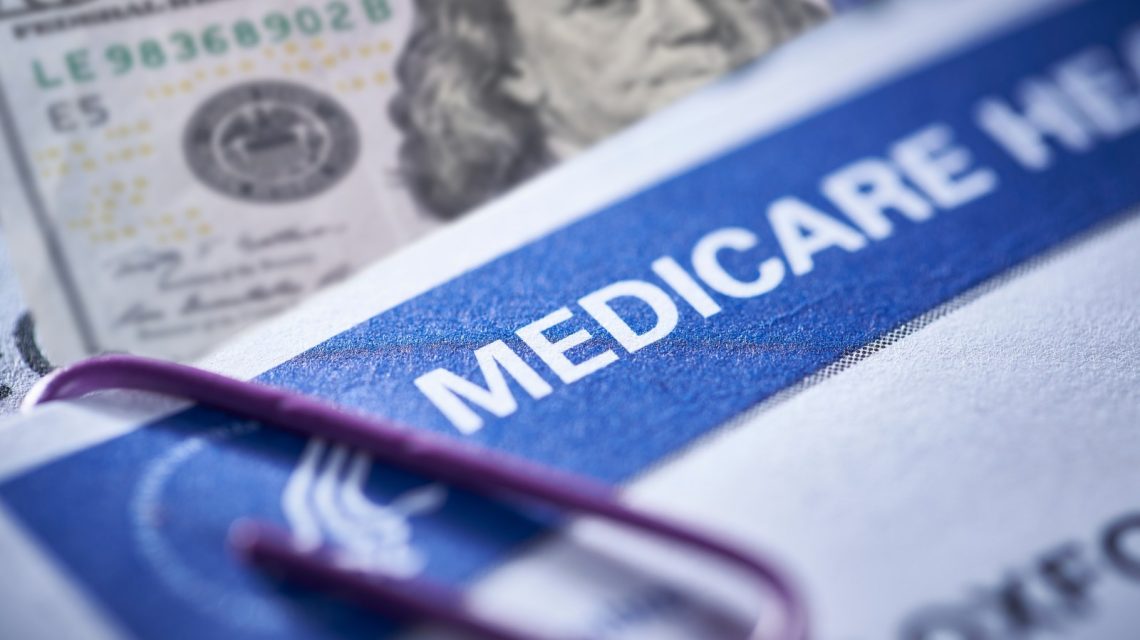
Expected Medicare Premium Changes
According to the latest Medicare Trustees Report for 2026, millions of Medicare beneficiaries may experience a smaller-than-anticipated increase in their monthly health insurance premiums next year. The report predicts that the standard Medicare Part B premium will rise from $202.90 per month in 2026 to approximately $209.50 in 2027. This represents an increase of about $6.60 or roughly 3.25 percent.
While any increase can add pressure on seniors living on fixed incomes, this projected hike would be notably smaller compared to the nearly 10 percent jump between 2025 and 2026. Alex Beene, a financial literacy instructor at the University of Tennessee at Martin, highlighted that although paying higher Medicare premiums is unpleasant, the projected increase for 2027 is comparatively modest. It reflects more growth in healthcare costs rather than a sharp change in the program.
The final Medicare premium for 2027 will be announced later this year, and the estimate could still be subject to change.
Significance for Beneficiaries
Medicare premiums are a critical expense for over 68 million Americans enrolled in Medicare. Many beneficiaries have their Part B premiums automatically deducted from their Social Security benefits, meaning premium increases often directly impact retirees’ monthly income. Nonetheless, the newest projection provides some respite following several years of larger increases.
Projected Premium Increase
The 2026 Medicare Trustees Report estimates that the standard Medicare Part B premium will climb from $202.90 to about $209.50. This projected increase is smaller than the rise from 2025 to 2026 when the standard premium jumped from $185 to $202.90.
Higher premiums can reduce the actual benefit amount retirees receive from their Social Security Cost-of-Living Adjustment (COLA), particularly for those on fixed incomes, according to Beene. He emphasized that Medicare’s long-term financing pressures will require challenging decisions by lawmakers regarding program costs.
Medicare Part B covers physician services, outpatient care, medical equipment, and preventive services. Federal law requires premiums to cover roughly 25 percent of the program’s costs, with the remainder funded through federal revenues.
Factors Driving Premium Increases
Despite the relatively modest projected increase, Medicare costs are expected to rise as healthcare spending grows. The trustees report highlighted several long-term factors contributing to higher costs, including an increased healthcare utilization rate among beneficiaries, rising medical and outpatient treatment costs, and Medicare enrollment growth due to an aging population.
Kevin Thompson, CEO of 9i Capital Group and host of the 9innings podcast, noted that costs continue to rise as more retirees access healthcare more frequently. Capping out-of-pocket costs offers significant benefits for beneficiaries, yet those expenses are shifted elsewhere in the system, ultimately increasing costs for taxpayers and placing additional financial pressure on Medicare in the long term.
Positive Outlook
The projected 3.25 percent increase would be the smallest percentage rise in Medicare Part B premiums since 2023, offering good news for seniors enrolled in Medicare. The trustees also lowered their outlook compared to last year’s report; the 2025 trustees report had predicted a 2027 premium of $218.60 per month. The latest estimate is more than $9 lower at approximately $209.50.
Nonetheless, the Social Security COLA is rarely sufficient to compensate for the inflation-induced spending increases senior citizens face, according to Drew Powers, founder of Illinois-based Powers Financial Group. Consequently, many seniors may continue to struggle even with the lower premium hike.
Powers explained that with rising Medicare premiums and the cost of living elevating faster than the adjustment, more of seniors’ benefits go towards paying for Medicare. This situation poses challenges, especially for the most vulnerable seniors who rely on Social Security for their retirement income.
Impact on Higher-Income Beneficiaries
Some Medicare recipients pay more than the standard premium through the Income-Related Monthly Adjustment Amount (IRMAA), which applies to higher-income households. While the official 2027 income thresholds have not yet been released, the initial IRMAA bracket could start around $112,000 for individual filers and $224,000 for married couples filing jointly.
Michael Ryan, a finance expert and founder of MichaelRyanMoney.com, mentioned that 2027 Medicare premiums are determined by 2025 tax returns due to IRMAA’s two-year lookback. He advised checking the 2025 return and comparing the Modified Adjusted Gross Income (MAGI) against current brackets. If a life-changing event reduced income since then, form SSA-44 addresses that scenario. However, voluntary conversions or capital gains generally won’t qualify.
What to Expect Next
The projected premium increase is not yet finalized. The Centers for Medicare & Medicaid Services typically announce official Medicare Part B premiums, deductibles, and IRMAA brackets in the fall, usually around November. The final figure could vary slightly based on actual healthcare spending and enrollment trends this year.
Thompson noted that the most significant cost increases occur outside Medicare, including higher grocery bills, utility costs, insurance, and other unavoidable everyday living expenses for seniors.
 Grudges and Forgiveness: The Impact on Mental Health
  Crackdown on Fraudulent Obamacare Enrollments
  Voice Disorders Linked to Increased Dementia Risk, Study Finds
  Understanding Misperceptions Around Sexual Violence and Intervention
  Ibogaine Treatment Travel: Americans Seeking Alternatives Despite Risks
  Study Highlights Risks of Borg Consumption on College Campuses