In the final days before senators could bring the Protect College Sports Act to a vote, negotiations between the SEC and Big Ten were intense. Late-night discussions among senators, the White House, and college athletics conferences highlighted the urgency of the situation. These talks aimed to reach a consensus on the bill that all parties would support.
Time was a critical constraint. Over the past five months, contentious Zoom meetings and phone calls were common. President Trump pressed lawmakers to advance the legislation, describing it as crucial to saving college sports.
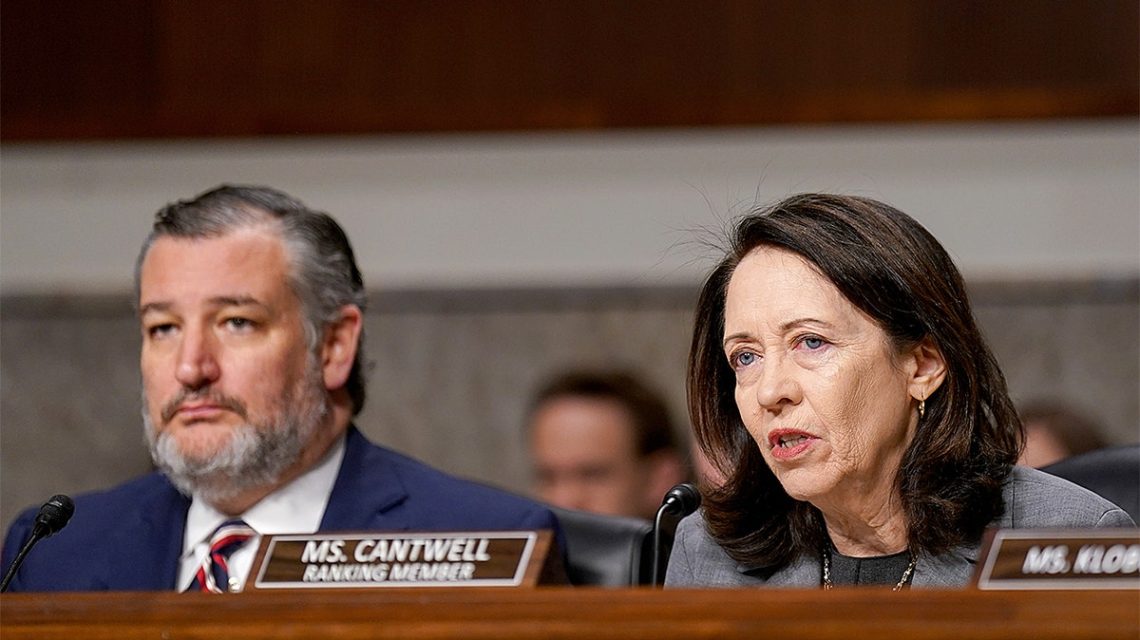
Senators Ted Cruz (R-Texas) and Maria Cantwell (D-Wash.), along with Eric Schmitt (R-MO), led a bipartisan effort to draft a bill acceptable to all involved. Progress seemed unlikely just days ago. However, Senator Cantwell expressed optimism about protecting women and Olympic athletes and advancing the legislation to the President’s desk. Schmitt echoed these sentiments, highlighting the importance of safeguarding college sports for future generations.
The issue was not confined to Washington. Big Ten Commissioner Tony Petitti stayed in touch with conference officials during media events in Chicago. He spoke with SEC Commissioner Greg Sankey multiple times on a single day. The Big Ten met at 1 p.m. ET on Thursday, while the SEC, Big 12, and ACC held a conference call at 4 p.m. ET. Congressional aides and senate staff experienced a hectic day.
The negotiations reflected the high stakes involved in college athletics. A White House official stated that President Trump was actively engaged in the process, aiming to finalize the bill. Randy Levine from the New York Yankees and Texas Tech booster Cody Campbell played significant roles in the discussions.
The White House has been closely monitoring these negotiations, and the President is committed to ensuring the bill is completed.
The need for action was urgent, with congressional leaders striving to bring the bill to the Senate floor before the summer recess. Senate Majority Leader John Thune expressed concerns about the timeframe, prompting parties to expedite their efforts.
On Friday evening, SEC commissioner Greg Sankey and Big Ten commissioner Tony Petitti addressed reporters in Nashville. They faced language issues and provisions that required careful consideration. These included aspects related to NIL deals and a retention pool for athletics.
Majority Leader Thune set a deadline for filing cloture by Thursday afternoon for a next-week Senate vote. Key provisions discussed over time involved Multimedia Rights deals, NIL agreements, and the one-time transfer rule. The legislation aimed to curb tampering, enforce eligibility rules, and set a retention fund limit.
Negotiations were intense, and leadership worked tirelessly to draft a bill that could pass. With the Senate’s August recess nearing, action was required quickly. If cloture were filed, the vote could happen Monday or Tuesday at the latest.
Senator Eric Schmitt coordinated closely with SEC members, contributing to Friday night’s call. President Trump and Secretary of State Marco Rubio participated in a roundtable to discuss potential antitrust exemptions related to college sports.
The drive to bring a complete bill to a vote was evident. With the Senate in session until the next Friday, there was a slim window to act. Congress reconvenes in September, and public interest in the legislation may wane by then. The Protect College Sports Act seemed poised to reach the House, defying earlier doubts.
 The Trump Team’s Challenge to the Military Leadership
  Maryland First State to Restrict Electronic Pricing in Grocery Stores
  Nick Saban’s Comments on ESPN Spark Debate Over College Sports Regulations
  Activists Push for Nationwide Ban on Child Marriage in the U.S.
  Freddy’s American Adventure: From Soccer to College Football
  Democratic Hopes and Historical Warnings in 2026 Senate Race