
The United States and Iran are set to initiate a new round of talks in Switzerland amid ongoing conflicts in the Middle East. The discussions focus on the war between Israel and Hezbollah, which threatens peace efforts and shipping in the strategic Strait of Hormuz.
Vice President JD Vance arrived in Switzerland to lead an American team that includes special envoys Steve Witkoff and Jared Kushner. Iranian representatives, led by Gen. Mohammad Bagher Ghalibaf, have also reached Switzerland, according to the Iranian state media. Vance stated he would be present for one to two days, aiming to address nuclear issues and the cease-fire in Lebanon. Late departure raised doubts about the expected progress of the negotiations.
The Iranian delegation aims to follow up on commitments as a condition to start talks on a final agreement. The recent agreement includes a 60-day cease-fire during which U.S. sanctions on Iranian oil exports are temporarily lifted, and frozen Iranian assets become accessible. However, the approach to Iran’s nuclear program remains to be settled in this round.
“Negotiations on a final agreement will begin only when Iran believes the United States is upholding its end,” stated Esmail Baghaei, Iran’s foreign ministry spokesman.
The Israeli-Hezbollah conflict continues to challenge negotiations. Israel’s Prime Minister Benjamin Netanyahu has shown resistance to adhere to agreements, resulting in criticism from the White House. Despite a recent cease-fire, clashes resumed, leading to further loss of life in Lebanon.
The claim by Iran to close the Strait of Hormuz due to fighting in Lebanon has raised concerns. The U.S. military maintains marine traffic is unaffected, asserting Iran does not control the strait.
Pakistan has stepped in as an intermediary, dispatching a team including Prime Minister Shehbaz Sharif to Switzerland, with a Qatari team expected to contribute to discussions. The dynamics of these talks may shift due to unpredictable challenges such as the tensions in Lebanon and Iran, creating obstacles to face-to-face negotiations.
President Trump has publicly addressed the Strait of Hormuz situation by stating there will be no tolls on shipping during the 60-day cease-fire, adding complexities to future negotiations regarding the management of the strait.
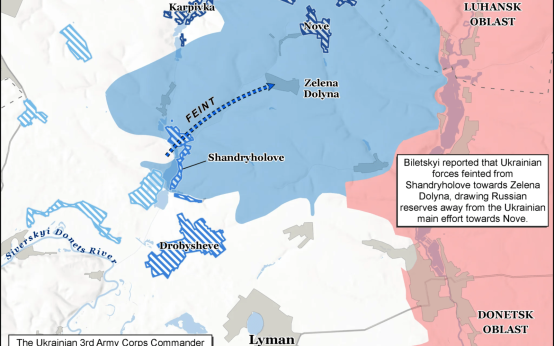 Ukraine Converts APCs to Explosive Devices in Donetsk Offensive
 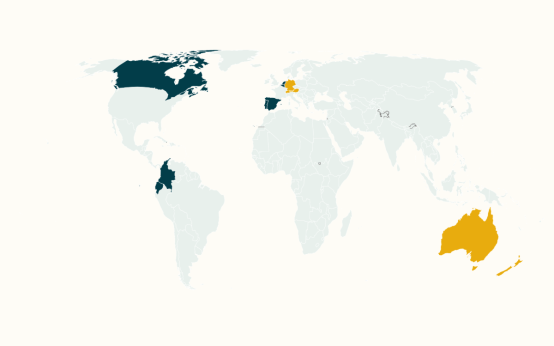 Dutch Review Board’s Euthanasia Ruling and International Debate
 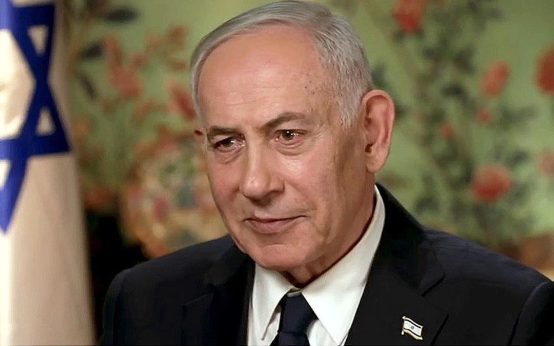 Israeli PM Commends Heroic Actions in Flight Emergency
  Rabbi and Jewish Leaders Criticize Adam Brody for ‘Genocide’ Comment
  Flydubai’s Emergency Landing Highlights Cockpit Security
 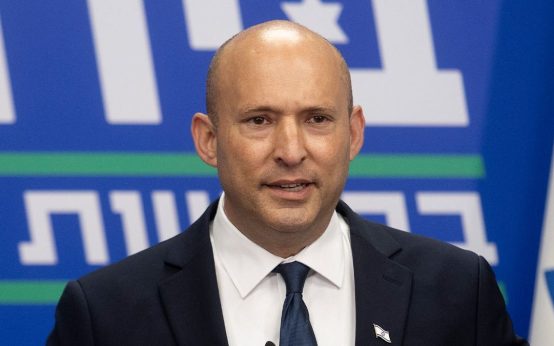 Former Israeli PM Naftali Bennett Commends Passengers and Crew for In-Flight Heroism