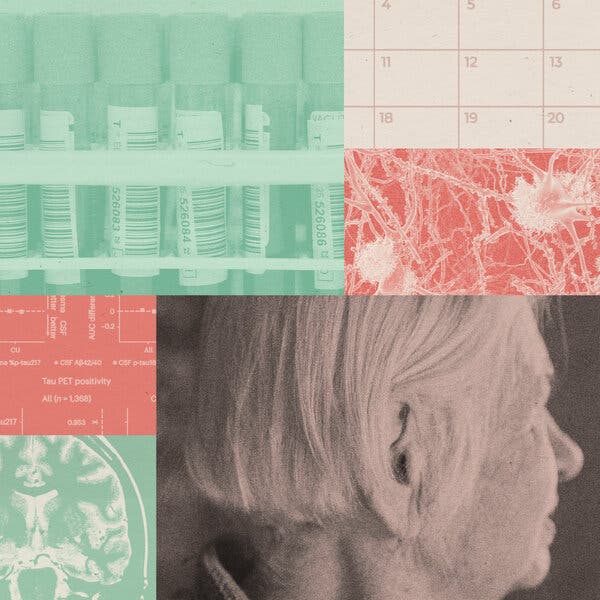
Recent research unveiled at the Alzheimer’s Association International Conference in London indicates that blood tests may revolutionize the diagnosis and prediction of Alzheimer’s disease.
The Impact of Blood Tests on Diagnosis
On Tuesday, a key study demonstrated that primary care doctors, armed with blood test results, could significantly enhance their ability to diagnose Alzheimer’s in patients exhibiting cognitive symptoms.
Predicting Cognitive Impairment Risk
Another study, highlighted on Wednesday and published in the journal JAMA, revealed that blood tests could forecast the risk of Alzheimer’s-related cognitive impairment within timeframes of two, five, and ten years.
Promise and Challenges
The tests focus on detecting two proteins, amyloid and tau, known as biological markers for Alzheimer’s. This suggests promising developments in simpler diagnosis and the ability to advise healthy individuals on their future Alzheimer’s risk.
The primary aim is to convert Alzheimer’s into a treatable condition at its onset, providing means to delay or prevent its severe cognitive implications. Despite the optimism surrounding these tests, experts urge caution due to uncertainties regarding their optimal use and questions about their accuracy.
 Increased Funding Needed for Psychiatric Hospitals
  Trump Administration Distributes ACA Refund Checks
  Higher Consumption of Ultra-Processed Foods Linked to Increased Health Risks
  Understanding Inflammation: Myths and Facts
  Calm Parenting: Strategies to Manage Stress
  Trump’s Executive Order to Combat Mosquitoes and Ticks in D.C.