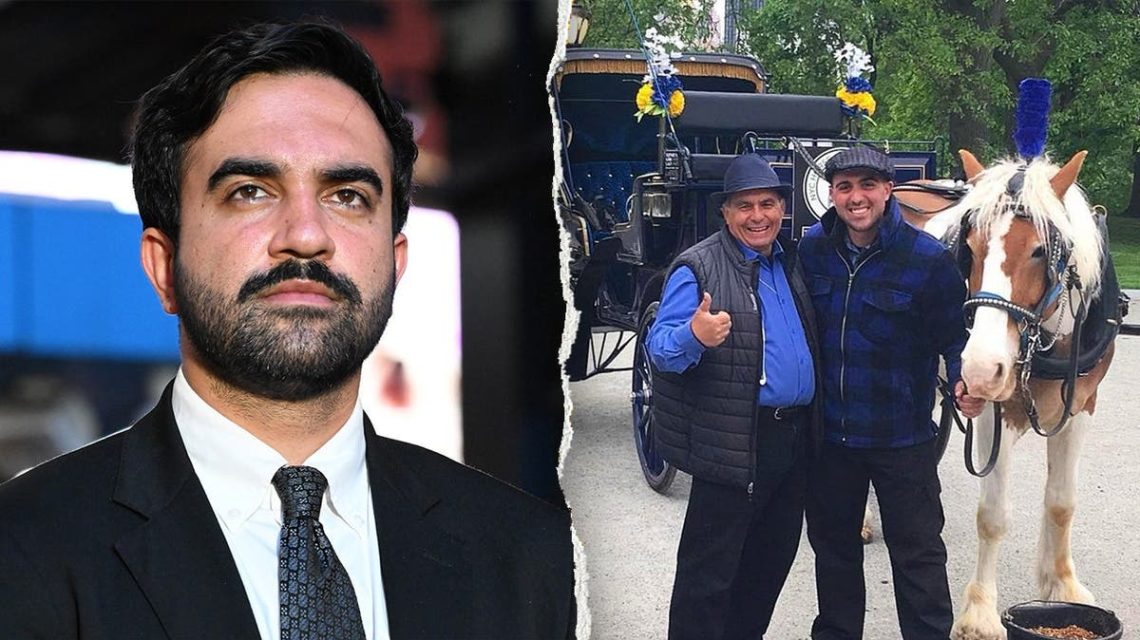
The future of New York City’s iconic horse-drawn carriage industry is uncertain as Mayor Zohran Mamdani and City Council Speaker Julie Menin have announced plans to phase out this century-old tradition. Set to ban operations from June 2028, the decision follows the tragic death of Romanch Mahajan, an 18-year-old who died after a fall. The proposed bill, named “Romanch’s Law,” has heightened public safety discussions around these carriages.
Animal rights advocates have long criticized the industry, emphasizing concerns over the treatment of horses. Viral videos showing horses collapsing and escaping into traffic have added to calls for ending industry operations.
“You have pedicabs flying around, so why are they permitted to have a business?” said Frank Riccobono, challenging the targeted criticisms of horse-carriage operations.
Riccobono, who manages NYC Horse Carriage Rides and owns twelve horses, feels the criticisms are unjust. He compares horse ownership to raising a child, emphasizing the deep bond he shares with his horses.
The proposed law allows owners to keep, sell, or transfer their horses, barring any sales for slaughter or inhumane purposes. Nevertheless, Riccobono argues that the law undermines his business and investment, including a $400,000 medallion license.
Riccobono’s wife, Natalie, highlights the financial burden of losing the business, stating, “By taking away these businesses from us, they are literally taking food off of our table and possibly a shelter from over our heads.” Concerns about losing livelihoods and a family legacy loom large as horse-carriage drivers face uncertain futures.
“I think that we have a civic responsibility to ensure that we are not leaving anybody out to dry,” Mamdani told reporters.
Despite reassurances from Mamdani and Menin, who promise to assist drivers in finding new jobs, there remain concerns about livelihoods. Christina Hansen of the Transport Workers Union has spoken about the lack of direct communication from Mamdani to carriage drivers.
The city envisions the horses moving to rescues or sanctuaries, though Christina Hansen worries about the resources available to care for such animals. She stresses the current lack of city funding for the horses’ retirement.
Historically, the carriage industry has faced threats, including a failed attempt by former Mayor Bill de Blasio in 2014.
“We’re gonna fight for our rights, number one, we’re gonna fight for our horses, and we’re gonna fight for fairness and justice,” said Riccobono.
The debate continues, with industry members pledging to advocate against what they see as an unfair dismantling of a New York tradition.
 Army Plans to Reinstate Confederate Memorial at Arlington National Cemetery
 Maryland Voters Confront Constitutional Amendment Proposal
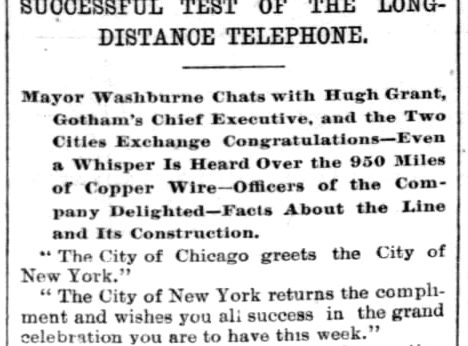 Historical Events in Chicago on October 18
 Voting Drive Inspires Naperville Residents
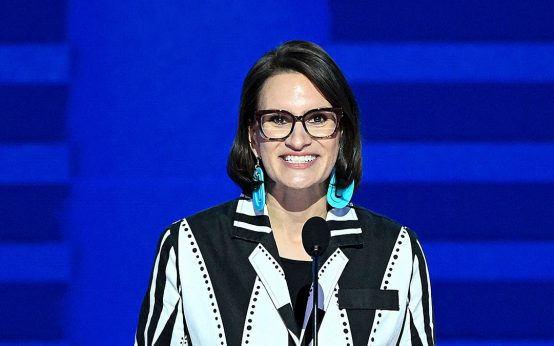 Minnesota Senate Candidate’s Family History Surfaces in Election
 Oregon School District Mourns Losses After Tragic Shooting