Global Optimism for Iran Truce
Washington and Tehran have announced a truce that could potentially end the Iran conflict. This has sparked optimism among global energy markets and world leaders. Despite this, analysts believe it could take months for oil flow to normalize and for gas prices to return to pre-conflict levels.
The agreement follows a three-month conflict that severely damaged Iranian infrastructure and regional energy facilities. It also led to a blockade of the Strait of Hormuz—triggering what the International Energy Agency (IEA) has termed the worst energy crisis in history.
Agreement Details and Expected Changes
Both sides consider the agreement a victory, with Pakistan mediating the negotiations. An official signing ceremony is planned for June 19 in Switzerland. President Donald Trump has stated that the Strait of Hormuz will reopen, leading to normalized energy flows.
President Donald Trump remarked, “Ships of the World, start your engines. Let the oil flow!”
Currently, vessels are not freely passing through the Strait, which accounts for about a fifth of global oil flow.
The passageway is expected to reopen without tolls once the deal is signed “for purposes of mine removal.” Iran’s Deputy Foreign Minister Kazem Gharibabadi confirmed the U.S. naval blockade will be “immediately and completely ended” as a result of the agreement.
Concerns Over Deal Durability
There are doubts about the deal’s durability. The negotiation process faced numerous challenges, including a ceasefire marred by violations. President Trump has previously announced an imminent end to the war multiple times.
Political scientist Robert Pape has labeled the deal a “Memorandum of Disagreement,” pointing out unresolved issues such as frozen Iranian assets and Israel’s actions against Lebanon.
Energy economist Jorge León emphasizes the need to see if the truce holds and whether Iran gains increased leverage, given the threats to the Strait of Hormuz. He believes the agreement’s success relies on the U.S. and Iran finding common ground.
Impact on Oil Prices and Gas Costs
Oil markets have reacted to the truce announcement. West Texas Intermediate crude fell below $80 per barrel, a level not seen since March.
Capital.com senior market analyst Daniela Hathorn states the immediate impact has been a sharp fall in oil prices. This is due to the expectation that the Strait of Hormuz will stay open, reducing the risk of prolonged supply disruption.
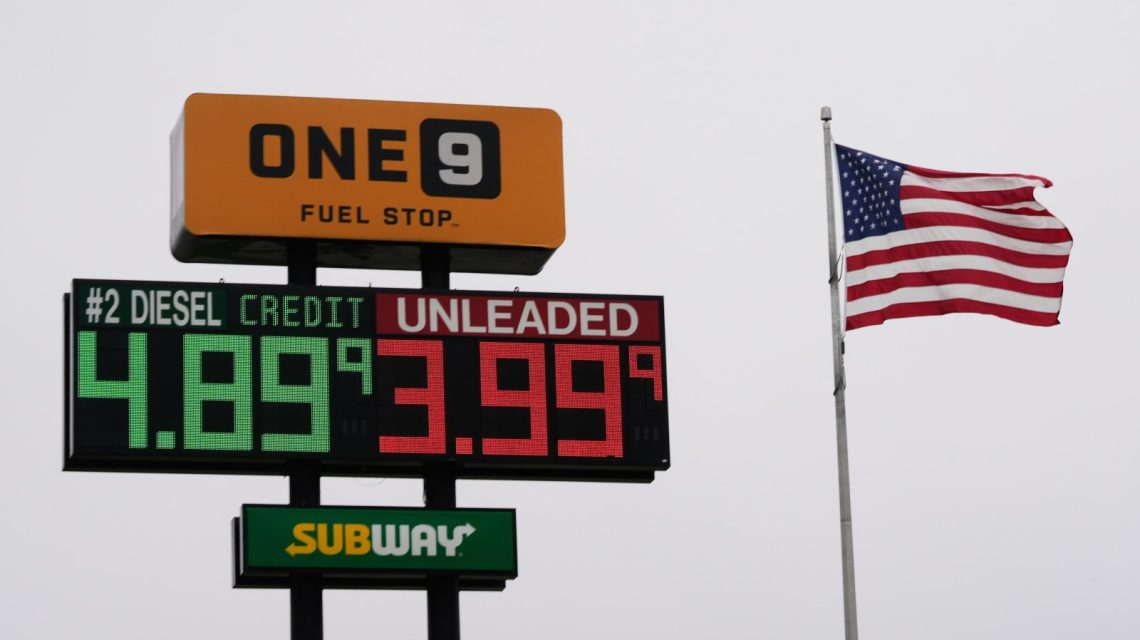
President Trump frequently claims that prices will drop quickly once the conflict ends. However, due to geopolitical uncertainties, infrastructure damage, and the nature of gas price dynamics, meaningful relief for drivers might take weeks or months.
Challenges in Oil Flow Recovery
Carole Nakhle from Crystol Energy notes that if shipping is the main disruption, oil flow could resume rapidly. Yet, traders and insurers reassessing the risk could delay recovery. Gas prices depend significantly on the geopolitical risk component rather than just supply issues.
Residents may see relief within weeks if the risk premium diminishes, though a return to pre-conflict levels is uncertain.
Harvard economist Willy C. Shih predicts a delay in “refilling the pipeline.” Infrastructure damage, including to Qatar’s LNG facilities, will take years to repair.
A U.S. Energy Information Administration (EIA) report forecasts a gradual decline in fuel costs should the peace deal materialize. If the Strait reopens in 2026’s third quarter, oil traffic would take months to return to pre-conflict levels.
Energy costs may remain elevated through the end of 2027 according to the EIA’s outlook. León states that mine clearing, building confidence among shipowners, and resolving logistical backlogs will delay cost reductions.
León further suggests that oil flow normalization is unlikely until later this year, assuming the ceasefire is maintained. U.S. gasoline prices may ease as crude declines and flows stabilize, but they will likely not revert to prewar levels within the next six months.
 The Trump Team’s Challenge to the Military Leadership
  Maryland First State to Restrict Electronic Pricing in Grocery Stores
  British Police Arrest Man Suspected of Terror Plot
  Activists Push for Nationwide Ban on Child Marriage in the U.S.
  Democratic Hopes and Historical Warnings in 2026 Senate Race
  Republicans Face Challenges Amidst Cost of Living Concerns