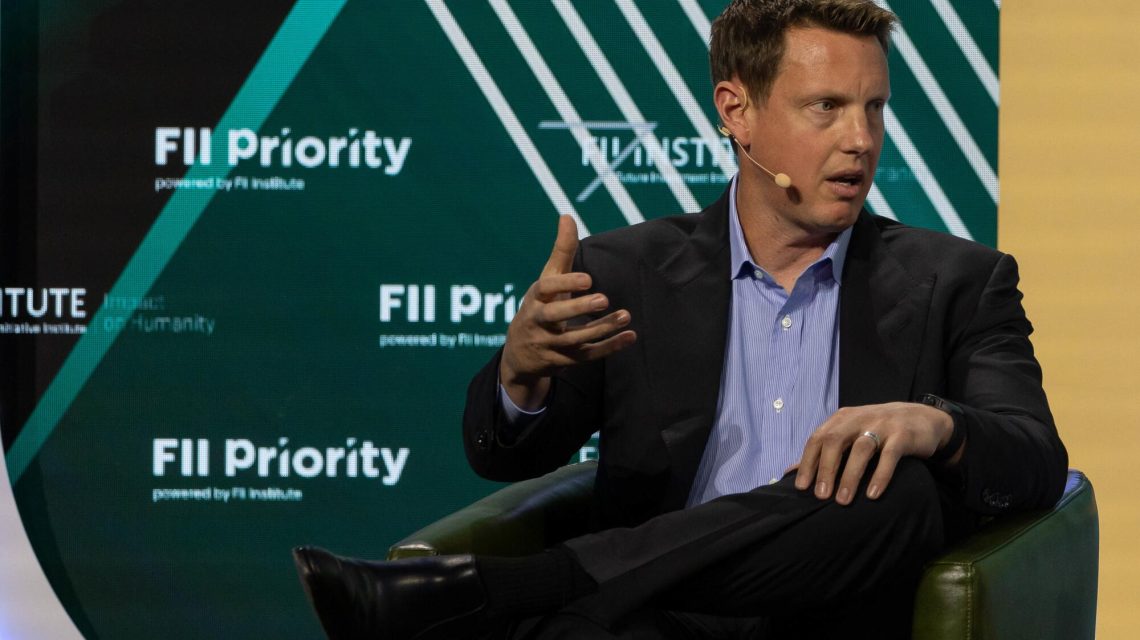
David Ellison, Chief Executive of Paramount Skydance, faces a significant choice. He must decide whether to relocate his Hollywood studio, the birthplace of iconic films like “Sunset Boulevard,” “The Godfather” and “Beverly Hills Cop.” In July, Paramount proposed moving to Tennessee or Texas to discourage California Attorney General Rob Bonta from blocking its $111 billion acquisition of Warner Bros. Discovery.
Bonta labeled the move as “blackmail” and his antitrust lawsuit, backed by 11 other Democratic state attorneys general, has stalled the merger. The decision leaves Ellison in a challenging position.
Ellison, a film enthusiast who has dedicated two decades to the Hollywood industry, expressed reluctance to leave Los Angeles. However, he indicated his readiness to sell studio lots and relocate operations if the merger isn’t finalized by next month.
The potential move alarmed a region already suffering from reduced film production and job losses. Rick Chavez Zbur, Assemblymember for a district including Melrose Avenue’s movie lot, stated that losing Paramount would be devastating and emphasized the need to protect California’s entertainment jobs.
While Paramount refrained from commenting, Ellison remains frustrated despite having secured approvals from over 65 global regulators. The antitrust lawsuit remains a barrier. Bonta argues that strong antitrust enforcement benefits California’s economy.
In Oakland, a federal judge temporarily blocked the deal, obliging Paramount to delay the acquisition until after a trial or June 1. Settlement discussions failed in August due to Bonta’s claims of leaked communications.
Paramount is at risk. U.S. District Judge Araceli Martínez-Olguín set the trial for March, but Paramount needs Warner assets urgently to compete against tech giants. Starting Oct. 1, Paramount must pay $7 million daily in ticking fees, increasing transaction debt. Paramount requested a $1.88-billion bond from the plaintiff states to cover fees, with a hearing set for Sept. 24.
The threat to leave Los Angeles remains a significant issue. Intense lobbying prompted political figures like Gov. Gavin Newsom and L.A. Mayor Karen Bass to urge lawsuit resolution. Kevin Klowden, economist and managing director at Melcene Advisory, believes the relocation threat is genuine, not to be dismissed.
Relocating offers Ellison tax incentives. States like Tennessee, Texas, and Georgia are on his list, but moving carries costs due to Los Angeles’ concentration of talent and deal-making. Tennessee’s Department of Economic and Community Development declined negotiation details, confirming its interest in working with companies exploring growth opportunities.
A pro-merger group incident on Sept. highlighted the debate. Neighbors for Strong Communities pressed Californians to influence Bonta, fearing Paramount’s departure, affecting investments and community businesses.
Keyla Wood, involved in the entertainment industry, described Hollywood’s struggles with pandemics, strikes, and fires. Los Angeles’ identity is at risk, Daniela Kelly, an actor and dancer, highlighted Hollywood’s global perception as a dream hub.
Klowden, noting the potential for tens of thousands of job losses, emphasized the economic impact, predicting a regional talent drain. Convention suspects previously saw job losses following mergers, reinforcing concerns over future employment.
Paramount promised to cut $6 billion in expenses, unaware of ticking fee implications. City Councilmember Adrin Nazarian expressed apprehension over job eliminations, affecting overall economic productivity.
The Los Angeles County Department of Economic Opportunity estimated a $4 billion output loss and $550 million tax revenue decline, should Paramount depart. Further losses in state and federal tax revenue loom.
Paramount’s report indicated potential job losses of at least 28,000, should the entire operation move. Some predict a corporate shift, maintaining large staffs in Los Angeles and New York.
Potential dealings echo Oracle Corp.’s past relocations led by Ellison’s father, Larry. Paramount’s gamble risks losing a skilled talent pool essential for the entertainment industry’s survival.
Settlement talks remain possible. Discussion points include asset transfer to alleviate market concentration. Warner’s New Line Cinema or cable channels like CNN and Food Network were suggested options.
Zbur, hopeful for a settlement, stresses understanding the issue’s impact on workers and businesses, emphasizing Paramount’s critical role in Los Angeles’ economy.
 The Trump Team’s Challenge to the Military Leadership
  Maryland First State to Restrict Electronic Pricing in Grocery Stores
  Activists Push for Nationwide Ban on Child Marriage in the U.S.
  Democratic Hopes and Historical Warnings in 2026 Senate Race
  Republicans Face Challenges Amidst Cost of Living Concerns
  A Different Kind of Fall for Congress This Year