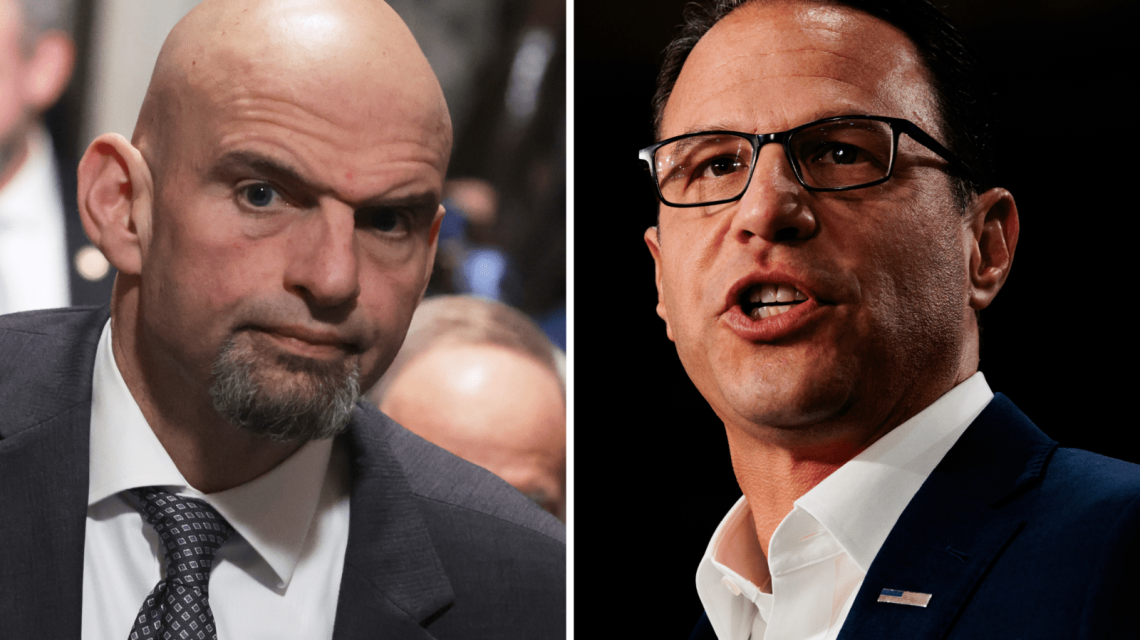
Democratic Governor Josh Shapiro’s Tightening Race
A recent Quinnipiac University poll reveals that Governor Josh Shapiro’s lead in Pennsylvania’s gubernatorial race has diminished. Pennsylvania, an essential battleground, has supported candidates from both major parties in recent elections. In 2024, the state favored President Trump by nearly 2 percentage points, contrasting with 2020’s narrow victory for President Biden. This year’s election is pivotal for Democrats, aiming to fortify their standing in a state typically seen as more secure for their party. Shapiro presently holds a 13-point lead over Republican candidate Stacy Garrity, a decline from an earlier 18-point advantage.
The survey, conducted from July 9 to July 13 from 895 registered voters, indicates shifts in voter sentiment. Shapiro’s support stands at 53%, against Garrity’s 40%, reflecting a tighter race compared to February figures previously showing Shapiro at 55% and Garrity at 37%. In particular, Garrity’s backing from Republican voters has grown from 82% to 87%.
Shapiro’s approval rating remains steady at 56%, though disapproval has risen from 29% to 34%. The poll suggests Shapiro benefits from familiarity among voters, with 58% unable to form an opinion about Garrity compared to only 14% for Shapiro.
According to a Franklin & Marshall College poll, Shapiro’s advantage appears even more pronounced, leading Garrity by 50% to 28%. Reputable forecasters also assign Shapiro a favorable stance, rating his race Likely Democratic and Solid Democratic.
Senator John Fetterman’s Dropping Approval Among Democrats
While Shapiro faces challenges, Senator John Fetterman encounters more severe scrutiny. Not up for reelection until 2026, yet potentially facing a divisive primary in 2028, Fetterman grapples with reduced approval among Democrats. Only 19% of Democrats endorse his performance, while 69% disapprove.
Overall, Fetterman retains a 48% approval rating. His support from Republicans, 77%, bolsters these figures, yet independents show mixed results, mirroring a nation divided in opinion.
Despite Democratic dissatisfaction, Fetterman remains committed to his party, recently facing critiques over forming a fundraising committee with Republican Senator Dave McCormick. His bipartisan actions have stirred controversy with Democrats aiming to maintain momentum in battleground races.
Clear in his stance, Fetterman emphasizes his commitment to key Democratic principles, stating he has no intention to switch parties. Acknowledging shared interests with McCormick, Fetterman views the fundraising alliance as merely practical collaboration.
Pennsylvania’s Evolution as a Battleground State
Pennsylvania’s political environment has shifted over the decades, moving from Democratic certainty from 1992 to 2012, to a divided arena today. Former President Obama swept Pennsylvania in 2008 and again in 2012, but with Trump’s marginal victory in 2016, the state took on a new competitive edge. Democrats reclaimed Pennsylvania in 2020, with Biden’s narrow win, yet Trump rebounded in 2024.
A crucial transition in rural voter preferences contributed to these shifts. Trump’s appeal to rural white voters marked changes, paralleling trends in other Great Lakes states. Despite challenges, Democrats gained ground in Philadelphia suburbs, vital for maintaining competitiveness in future elections.
In 2022, Fetterman and Shapiro seized their current offices, showcasing notable Democratic resilience during midterms. But Republicans found resurgence in 2024, reclaiming key positions including a Senate seat with McCormick defeating incumbent Bob Casey.
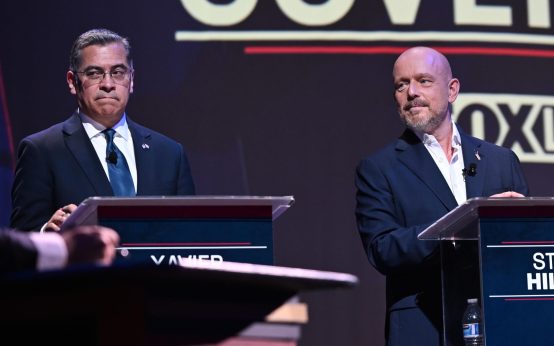 Becerra and Hilton Clash in California Gubernatorial Debate
  California Voters to Decide on $7.5 Billion State Research Fund
 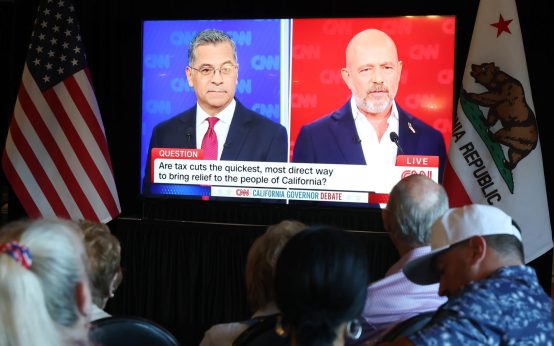 Highlights from the California Gubernatorial Debate: Becerra vs. Hilton
  Becerra vs. Hilton: The Debate and Key Issues in the California Governor Race
  Senate Confirms New Labor Secretary
 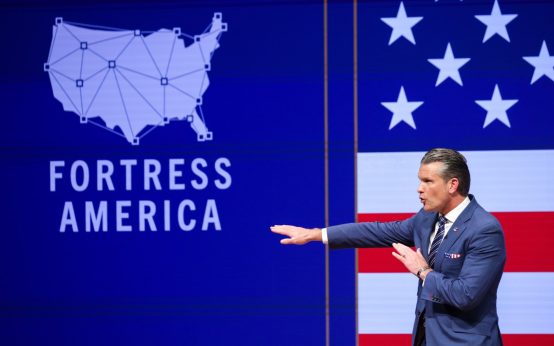 Hegseth’s Ambitious Military Initiatives to Reshape Warfare