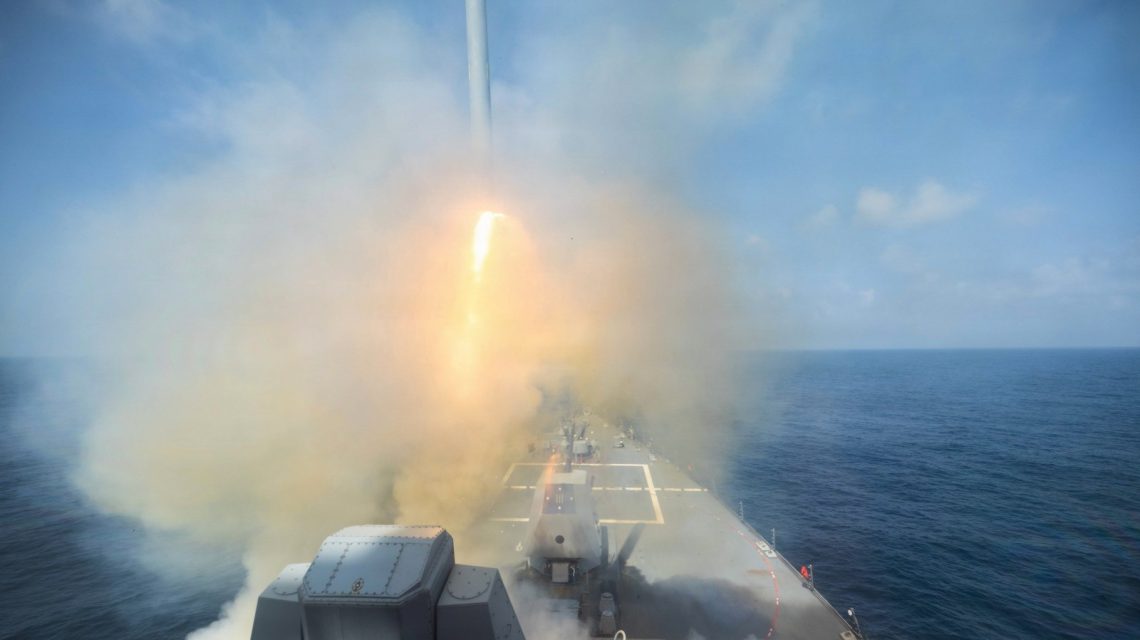
The Pentagon is urging major U.S. defense contractors to speed up weapons production, setting tight deadlines to replenish vital military stockpiles diminished during the hostilities with Iran. Recently disclosed Defense Department directives confirm this push for swift action.
Accelerating Production Plans
Deputy Defense Secretary Steve Feinberg addressed industry leaders, allowing no more than 21 days for them to present strategies for quicker delivery schedules and boosted production capabilities. The memo, obtained by The Washington Post, underscores that traditional lengthy development cycles are no longer viable. Feinberg insists on expedited program timelines and expanded production capacities.
Pentagon spokesperson Sean Parnell emphasized in a statement to Newsweek that the department, under Defense Secretary Pete Hegseth, focuses on transforming the speed and capacity of America’s defense base. He praised Feinberg’s pivotal role in overhauling the outdated acquisition system to meet the military’s pace requirements. Engaging closely with industry leaders to accelerate production aligns with the President and Secretary’s longstanding objectives.
Concerns Over Missile Defense Shortages
The initiative highlights growing apprehensions in military circles about dwindling missile defense inventories from prolonged combat against Iran. Notably, Patriot and THAAD interceptor stocks have decreased, posing risks to U.S. and allied defenses in the Middle East. A report by the Center for Strategic and International Studies (CSIS) warns that depleted interceptor inventories might compel American forces to conserve resources more stringently, raising the potential for Iranian attacks to succeed.
CSIS analysis reveals the Patriot interceptor stock plunged from 2,330 before the Iran conflict to an estimated 759 to 827 after recent hostilities, marking a 65% reduction. The THAAD interceptor count similarly dropped from 452 to a range of 234 to 278. Despite some replenishment efforts, the stock remains over 38% lower than pre-conflict levels. Restocking critically depleted items, like Patriot and THAAD interceptors and Tomahawk missiles, could take at least three years even with increased funding.
Financial Implications and Legislative Challenges
Deputy Secretary Hegseth reported to senators that the Iranian conflict incurred costs reaching $37.5 billion since late February, encompassing ongoing operations and needs through the fiscal year ending September 30. Amid these challenges, President Donald Trump disputed reports of weapon shortages, asserting on Truth Social that substantial weapon supplies are being produced and shipped as necessary. Nonetheless, Pentagon officials maintain that ramping up production is vital for fortifying the broader defense industrial base.
Parnell confirmed the authenticity of Feinberg’s memo and mentioned its significance in informing the fiscal year 2028 budget proposal to Congress. Meanwhile, a defense spending bill remains stalled as lawmakers express discontent over Trump’s military actions in Iran and resist the White House’s substantial funding increase request, seeking to raise Pentagon spending to $1.5 trillion from the previous $900 billion.
 State Department Simplifies Passport Process with Online Applications
  Becerra and Hilton Clash in California Gubernatorial Debate
  California Voters to Decide on $7.5 Billion State Research Fund
 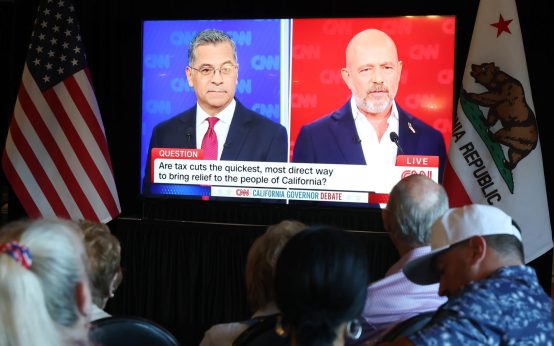 Highlights from the California Gubernatorial Debate: Becerra vs. Hilton
 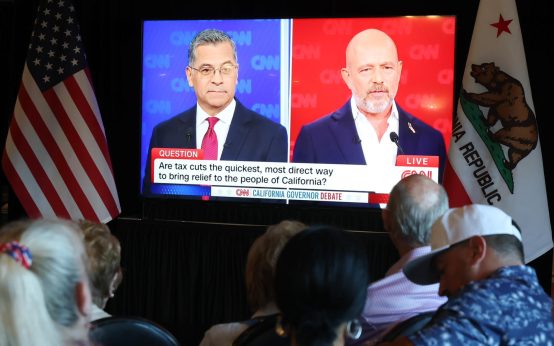 Becerra vs. Hilton: The Debate and Key Issues in the California Governor Race
  Senate Confirms New Labor Secretary