
The discovery of bones at a Cyprus archaeological site suggests pigeons have been part of human settlements since at least 1400 B.C. Recent research raises questions about whether humans intentionally domesticated pigeons or if the birds naturally adapted to human environments.
Historically, pigeons played significant roles, providing food, fertilizer, and messages. They have also been cherished companions. The timeline of human-pigeon interaction has remained unclear, but a study published in the journal Antiquity gives new insight. This research pushes back the date of this relationship by approximately 1,000 years to around 1400 B.C.
The study involved analyzing pigeon bones found at a Late Bronze Age site in Cyprus. The findings indicate that humans might have raised these birds for ritualistic feasts.
“Pigeons have been with humans for a long time,” stated Anderson Carter, the study’s lead author, and a former graduate student at the University of Groningen in the Netherlands. “We’ve influenced their species, and they’ve shaped our stories and histories,” Carter added.
Cyprus, a Mediterranean island, is a fitting backdrop for this discovery. According to mythology, it is the birthplace of Aphrodite, the Greek goddess of love and beauty, who was fond of pigeons and doves. Aphrodite is often portrayed with the birds on her hand or shoulder.
 Possible 19th-Century Shipwreck Exposed by Nor’easter in Nantucket
  Bagdad Cafe: A Tale of Desert Magic and Legacy
  Roman Roads: Complicating the Myth of Uniquely Central Rome
  Amateur Archaeologist Uncovers Largest Roman Coin Hoard in Germany
 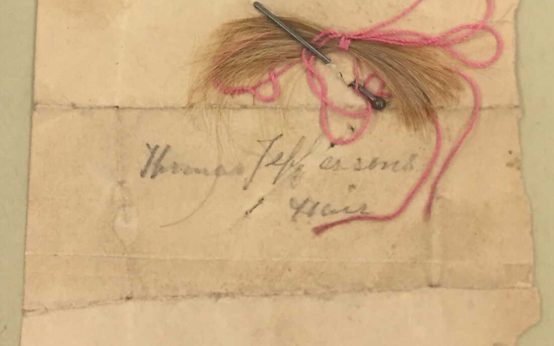 Unraveling Thomas Jefferson’s Legacy Through DNA Research
  Significant Events in Chicago’s History on September 21