The Michigan Senate debate featuring Democrat Abdul El-Sayed and Republican Mike Rogers on Thursday night turned personal as the candidates went beyond political differences to discuss their personal backgrounds. Hosted by Nexstar affiliate WOOD-TV in Grand Rapids and NewsNation, this debate is the first of two planned before Election Day, with the next one scheduled for Oct. 21.
Abdul El-Sayed, a former health director in Wayne County, and Mike Rogers, a former congressman, interrupted each other often during the hourlong event. The heated nature of the debate persisted even during commercial breaks, a rarity noted by moderator Rick Albin. El-Sayed accused Rogers of potentially being a “rubber stamp” for President Trump and corporate interests, suggesting a disconnect with Michigan, given Rogers’ recent move to Florida prior to his Senate attempts.
Rogers, who lived in Michigan for years during his congressional tenure, retorted with accusations against El-Sayed, including alleged false representation as a medical professional and baseless claims about terrorist familial links. Although El-Sayed holds a medical degree from Columbia University and a doctorate in public health from Oxford University, he faced scrutiny for his self-description as a “physician” despite not practicing medicine.
The charged debates extend beyond Michigan. In a Senate debate in Maine, Sen. Susan Collins (R) and Democratic nominee Troy Jackson demanded apologies from each other. Jackson alleged that Collins and her husband profited from the Iran war, without providing concrete evidence. Collins sharply rebuked the claim as outrageous.
Similarly, the Georgia Senate debate saw Sen. Jon Ossoff (D-Ga.) confronting GOP nominee Rep. Mike Collins (Ga.). Ossoff labeled Collins a “bigot,” pointing to controversial social media posts from Collins recalling racist behavior at the University of Mississippi. Collins denied these accusations, refuting Ossoff’s comments as misunderstanding average people’s struggles.
In other political news, Trump has indicated that U.S. military operations in Iran will not occur before midterm elections. He clarified that while Iran remains under severe economic and military strain, no attacks will happen before November 3rd’s elections. Oil prices saw a rise following reports of potential pre-election military strikes, though no decision has been finalized. A White House statement noted that all options are available.
Visa programs are under scrutiny, with Vice President Vance announcing investigations into universities and tech companies regarding alleged fraud and misuse. The Labor Department issued subpoenas to several universities concerning their reliance on foreign workers for research, while temporarily suspending Microsoft and additional firms from immigrant labor programs. The debate continues over the impact on wages and American workers.
The Spanish social movement against the housing crisis has been reignited by the death of María del Carmen Abascal, whose eviction and subsequent passing prompted national protests. Her case has influenced upcoming elections, aiming to drive action toward resolving housing struggles.
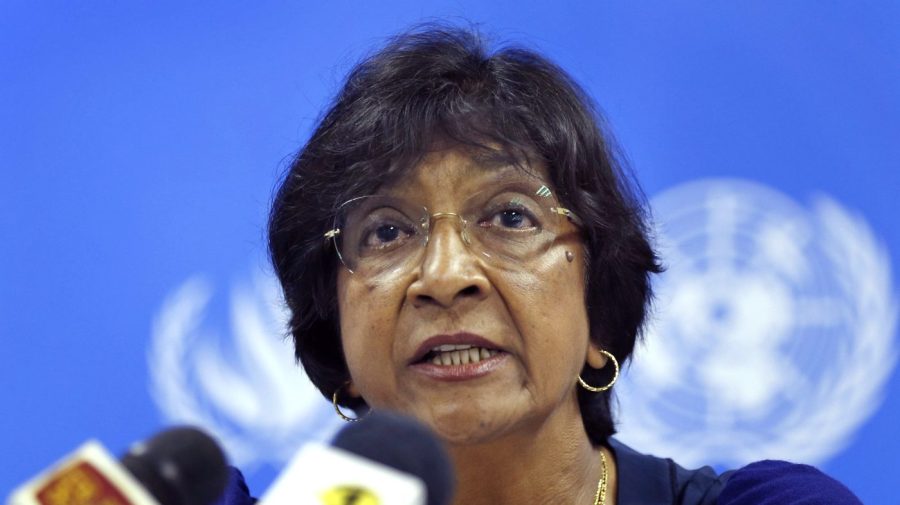
Meanwhile, Nobel Peace Prize discussions have unfolded as former UN human rights chief Navanethem “Navi” Pillay received recognition for her peace efforts. Her award arrives amidst Trump supporters’ past campaigning for his prize consideration, highlighting global political dynamics and the impact of international policies.
The contents of this story reflect the complex interactions of personal backgrounds, political conflicts, and social movements leading to this year’s Election Day.
 Trump Initiates Inquiry into Federal Reserve Governor’s Conduct
  Revamping Congressional Functionality through Electoral Incentives
  The Nebraska Test: Evaluating Political Promises
  Conditional Approval for Sean Duffy’s Modernization Request
  Global Networks Influence France’s Student Protests
  Dispute Over T-Shirt Causes Disruption at California Candidate Forum