Coastal Threats from El Niño and Climate Change
This winter, a combination of factors could lead to unprecedented coastal flooding in California. A strong El Niño, along with rising sea levels caused by climate change, is creating concerns among experts. Currently, higher tides are being observed, causing beach erosion and damage to infrastructures like parking lots and bathrooms. These conditions are set to worsen as El Niño intensifies.
Impact on the Sea Levels
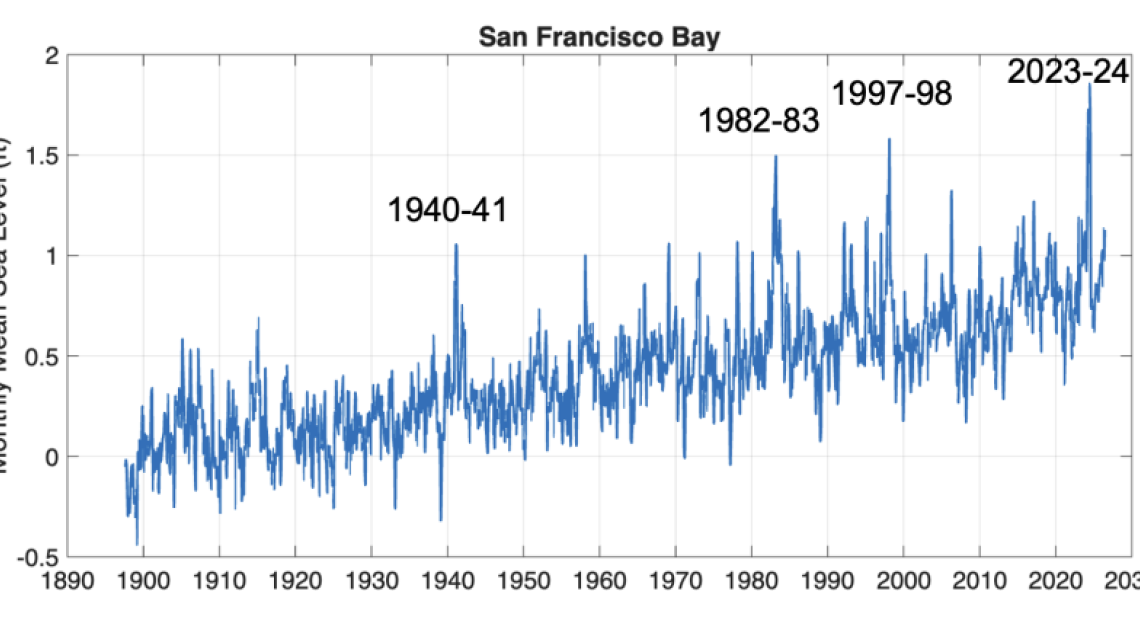
Jonathan Warrick, a research geologist from the U.S. Geological Survey, notes that El Niño causes waters off the California coast to warm and rise. The increase can be as much as a foot above average, posing threats to coastal properties and infrastructure. San Francisco Bay’s average sea level has already increased by about a foot in the last 125 years, largely due to human-induced climate change.
Concerns for Coastal Communities
Daniel Swain, a climate scientist, emphasizes that record-high sea levels are possible this winter, raising concerns for coastal erosion and flooding. The rising tides, coupled with falling rain, make drainage challenging, exacerbating flood risks. An example is Latin America’s Pacific coast, where sea levels have risen by more than half a foot due to the expanding ocean waters caused by warming temperatures.
Marine Heat Waves and Tide Predictions
Recently, a marine heat wave has affected parts of the California coast, potentially linked to El Niño. Jeremy Smith from the California Coastal Commission reports unexpectedly high tides, with significant deviations from forecasts. As El Niño progresses, king tides will intensify, coinciding with cycles linked to lunar movements, raising tide levels further around critical periods like Christmas.
Past Events and Future Predictions
Historical data shows that similar conditions during previous El Niños led to damaging coastal impacts. The winter season during the El Niño of 1982-83 caused notable destruction, including damage to the Santa Monica and Seal Beach piers. Predictions for the current season suggest similar risks for communities like Mission Beach and Long Beach, where low-lying areas are vulnerable to flooding.
Wet Winter Expectations
Above-average precipitation is expected across Southern California and the wider southern U.S. According to the National Weather Service’s Climate Prediction Center, California may experience unusually high rainfall during the first quarter of 2024. This, combined with high tides and storm waves, creates significant hazards for coastal residents.
 The Threat of Melting Glaciers: A Call to Action
  Collapse of Hawai’i’s Hōlei Sea Arch Amidst Storms
  Los Angeles Faces Uncommon Heatwave in October
  Drought Drives Black Bears Closer to Human Activity
  Atlantic Ends September Without a Hurricane for First Time Since 1994
  Bobcat Sightings and Conservation Efforts in Illinois