Medicare Subsidy Program Changes
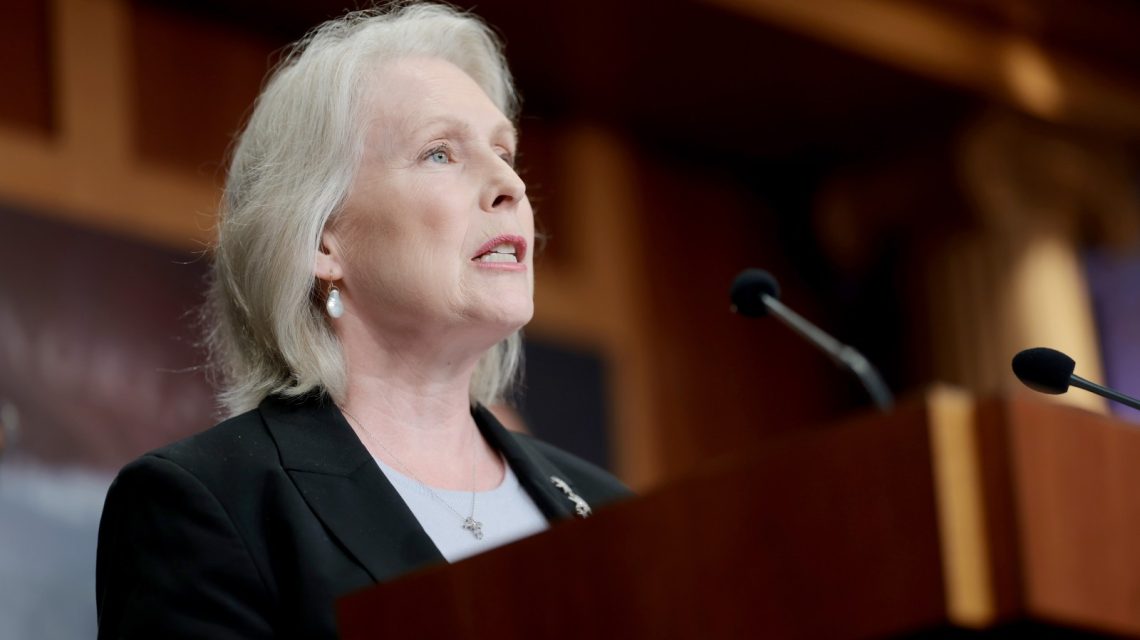
Millions of seniors may face higher prescription drug expenses after the Trump administration announced plans to end a temporary Medicare subsidy program. This change is scheduled to occur one year earlier than planned, prompting Democratic leaders to urge the White House to reconsider. On Wednesday, New York Governor Kathy Hochul and Senator Kirsten Gillibrand openly criticized the decision to end the Medicare Part D Premium Stabilization Demonstration Program by the end of 2026. Gillibrand highlighted that this could lead to a 40% increase in Medicare Part D premiums. Hochul noted that the change would add financial pressure on seniors already dealing with rising costs.
“While Republicans in Washington are intent on making life harder and more expensive for hardworking Americans, I’m focused on helping seniors and ensuring financial relief for New Yorkers,” Hochul stated.
Significance of the Program
Medicare Part D helps cover prescription drugs for many Americans, primarily seniors and people with disabilities. Initially introduced in 2024, the Part D Premium Stabilization Demonstration Program aimed to limit premium increases and soften the impact of changes under the Inflation Reduction Act.
Democrats argue that ending these subsidies will increase costs for seniors. However, the Centers for Medicare & Medicaid Services (CMS) contends that the program was always meant to be temporary. They believe insurers have gained enough experience to set plan prices accurately without federal aid.
Details and Impact
The ending of the program is set for December 31, 2026, a year ahead of the original schedule. This decision may affect approximately 1.3 million seniors in New York. Gillibrand pointed out that the program has successfully lowered costs, and its end might lead to significant premium hikes for beneficiaries.
“This administration funds military actions abroad, yet neglects our seniors domestically,” Gillibrand expressed. “This goes against our values and should not be accepted.”
Nationally, 25 million Americans are enrolled in standalone Medicare Part D prescription drug plans. The exact number of individuals facing increased premiums remains uncertain as insurers continue to finalize their pricing.
“Many Medicare beneficiaries are likely going to see higher premiums. The exact increase is still uncertain, as pricing is not final,” said Kevin Thompson, CEO of 9i Capital Group.
CMS’s Position
The Trump administration defends the change by stating the Part D market is stable, eliminating the need for federal subsidies.
“We are stabilizing the market, so this financial support is no longer required. Premiums may rise slightly for most recipients, with some seeing reductions,” CMS Administrator Dr. Mehmet Oz shared.
A CMS spokesperson explained that the demonstration was always a temporary response to market disruptions caused by the Inflation Reduction Act.
“Despite external concerns, our data shows plan bids have stabilized,” the spokesperson affirmed.
Looking Ahead
Unless reversed by the administration or intervened by Congress, the subsidy program will end as scheduled on December 31, 2026. Beneficiaries will select their 2027 prescription drug plans without the additional federal support.
Financial literacy instructor Alex Beene advises beneficiaries to compare plans during Open Enrollment instead of automatically renewing existing coverage.
“While significant savings are emerging through drug-price negotiations and out-of-pocket caps, beneficiaries must carefully evaluate their plan choices annually,” Beene noted.
 Activists Push for Nationwide Ban on Child Marriage in the U.S.
  Democratic Hopes and Historical Warnings in 2026 Senate Race
  Republicans Face Challenges Amidst Cost of Living Concerns
  A Different Kind of Fall for Congress This Year
  Cornel West and Sean Hannity Discuss Differences on Podcast
 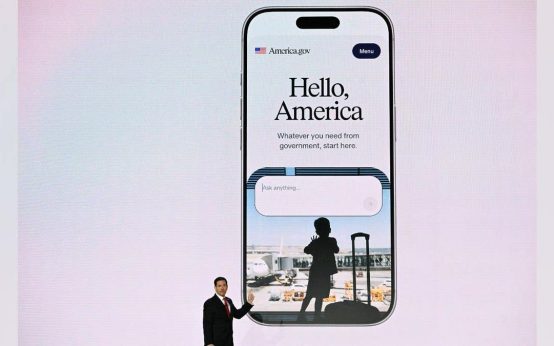 Trump Unveils AI-Powered America.gov Platform