Background on Locke v. Davey
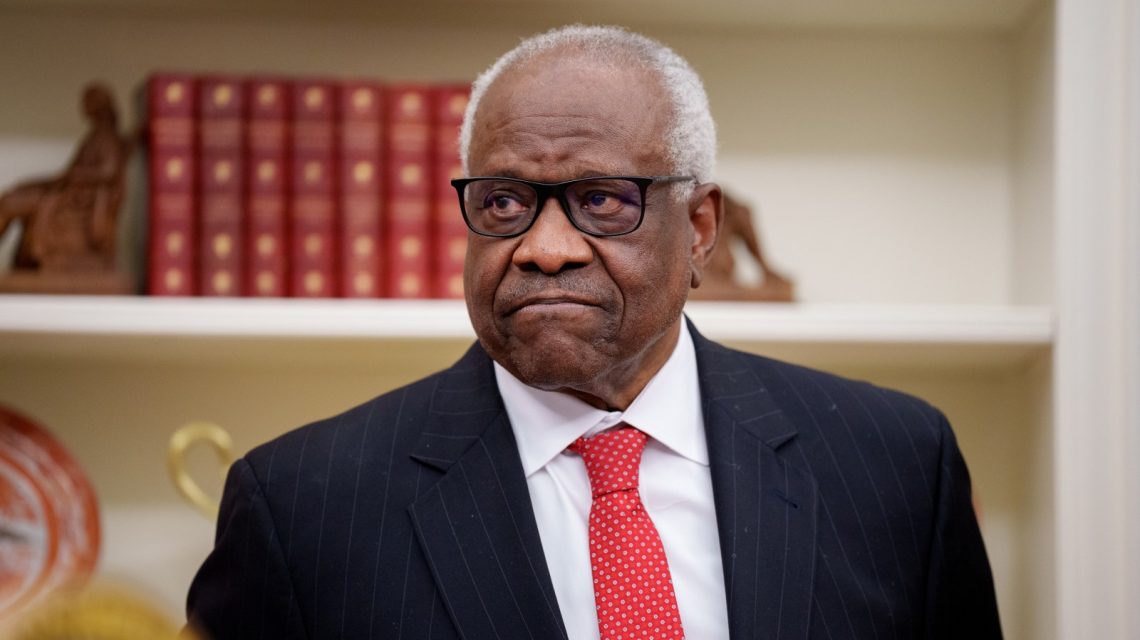
More than 20 years ago, Justice Clarence Thomas dissented in a Supreme Court case, Locke v. Davey, which allowed states to exclude funding for ministry degrees. Now, there is a chance to revisit this decision. A petition by Virginia student Bethany Hall aims to challenge the precedent, arguing that newer court rulings have undermined its rationale.
Bethany Hall’s Case
Bethany Hall, a Virginia resident at Liberty University, became ineligible for the state’s Tuition Assistance Grant Program (VTAG) after changing her major to Youth Ministries. This program provides financial aid to residents attending private colleges in Virginia. Hall initially qualified when she enrolled as a music education major. Her later decisions to pursue ministry-related disciplines led to a grant revocation, as Virginia does not fund religious or theological education.
Hall sued Virginia officials, claiming her disqualification violated the First Amendment’s Free Exercise Clause. Both lower federal courts upheld Locke v. Davey, finding her case analogous to the original.
The Original Decision in Locke v. Davey
In 2004, the Supreme Court ruled 7-2 in Locke v. Davey. Joshua Davey, a Washington scholarship recipient pursuing pastoral ministries and business management, was barred from using state funds for theology. The court ruled the state’s policy did not breach the Constitution, emphasizing states could fund secular education without supporting religious instruction.
The state policy aimed to avoid taxpayer money funding ministerial training, aligning with its interpretation of the Establishment Clause.
Justice Clarence Thomas’s Dissent
Justice Clarence Thomas, siding with Justice Scalia’s dissent, criticized the exclusion of theology students as unconstitutional discrimination. Thomas argued that theology study does not automatically imply religious devotion.
Thomas’s subsequent opinions have consistently questioned Locke’s basis. In related cases like Trinity Lutheran v. Comer and Espinoza v. Montana Department of Revenue, Thomas argued against the precedent’s interpretation of the Establishment Clause.
Implications of Overturning Locke
If the Supreme Court takes Hall’s case, it could decide whether states may continue denying public aid to ministry students. This decision might affect similar policies in many states like Alabama, Florida, and Ohio.
Experts believe the court could grant the petition, especially after previous cases have questioned Locke’s principles. Justices Gorsuch, Alito, and Kavanaugh have shown willingness to challenge the precedent.
The court’s choice to hear the case would pinpoint the precedent directly, affecting funding laws in numerous states. Overturning Locke could result in states funding all majors equally or discontinuing the aid program altogether.
 The Trump Team’s Challenge to the Military Leadership
  Maryland First State to Restrict Electronic Pricing in Grocery Stores
  Activists Push for Nationwide Ban on Child Marriage in the U.S.
  Democratic Hopes and Historical Warnings in 2026 Senate Race
  Republicans Face Challenges Amidst Cost of Living Concerns
  A Different Kind of Fall for Congress This Year