“You do not have to spend hundreds of dollars to be prepared,” states Alyssa Provencio, an expert in emergency management. Check your junk drawer for batteries and candles. Consider purchasing secondhand gear, like a headlamp. Buy nonperishable food in bulk to save money.
Preparing an emergency go bag might seem daunting. Deciding what to include can be challenging. Buying food and supplies, or opting for premade kits, can be costly. Collecting various items may feel overwhelming. According to a 2023 FEMA survey, only about half of Americans have assembled or updated their emergency supplies. Those from disadvantaged backgrounds are less likely to have prepared supplies.
To simplify and reduce costs, “build out your kit gradually, buy used supplies, and start with what you have,” suggests Alyssa Provencio, a University of Central Oklahoma professor specializing in emergency management. “You do not have to spend hundreds of dollars to be prepared.”
Go Bag Essentials: Saving Money and Effort
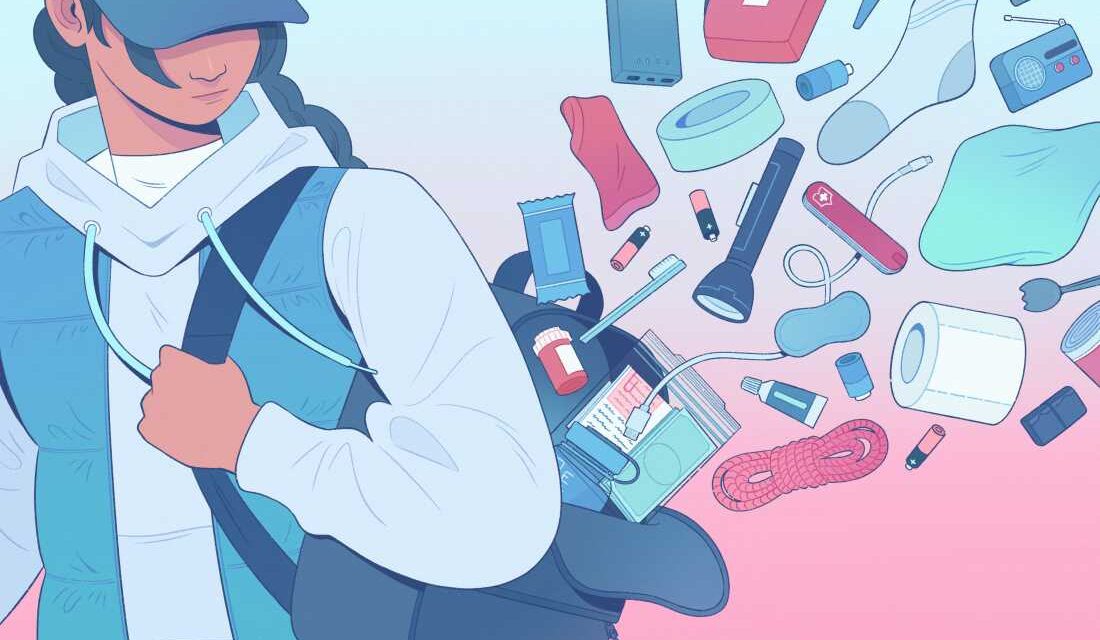
Various checklists from sources like the American Red Cross and Ready.gov offer ideas on what to pack. If cost and effort are a concern, remember “something is better than nothing,” Provencio advises. Alongside Jonathan Sury from Columbia Climate School, Provencio shares a prioritized list of items with tips on effortless, budget-friendly packing.
- A suitable bag: It should be sturdy to hold food and supplies, yet light for carrying during evacuation, Provencio says. Sury adds that wheels and straps make transport easier. Cost-saving tip: Avoid expensive backpacks; an old duffel or a heavy-duty tote bag works well.
- Water supply: Ideally, pack a gallon per person daily for three days. If that makes the bag too heavy, bring as much as manageable, suggests Sury.
- Three days of food: Choose lightweight, calorie-dense items like granola bars and peanut butter, Provencio advises. Cost-saving tip: Break food purchases into small parts for financial manageability.
- Personal essentials: Include prescription medicines or comfort items for your family. Provencio recommends packing as if for a short trip. Consider what you’d need if staying away from home for a couple of days.
- Basic first-aid kit: Add items such as bandages, gauze, and antiseptics. Cost-saving tip: Create your own kit by buying basic supplies in bulk.
- Important documents: Photocopy insurance and personal documents, storing them in a waterproof bag. Save digital copies on a flash drive or the cloud if possible.
- Emergency supplies: Include essentials like a multi-tool, duct tape, and a flashlight with extra batteries. Sury suggests packing an emergency blanket as well. Cost-saving tip: Explore your home for useful items, or search for bargains online or at sales.
- Personal hygiene supplies: Include items like wet wipes, a toothbrush, and sanitary products.
- Power bank: Keep one for phone charging in emergencies and ensure it remains charged, Sury advises.
- Cash: Have enough money for fuel and a day’s food, anticipating potential credit card limitations in emergencies.
Post-Pack Maintenance
“After assembling your bag, maintain it and ensure it’s in good condition occasionally,” Sury recommends. Replace expired food and replenish the first-aid kit as needed. Establish a basic emergency plan. “Knowing evacuation routes and meeting places for your family, as well as writing down essential phone numbers, doesn’t cost anything,” Provencio notes. Being mentally ready for disaster scenarios aids in acting quickly under pressure.
 Effective Skincare Routine for Men with Particle Moisturizer
  Rising Trend: Solo Travel Gains Popularity
  Prepare for Rainy Fall Weather with Discounted Rain Jackets
  Review: Stokke Nighti 3-in-1 Convertible Cot Bed
  Embrace Failure: Turning Setbacks into Success
  Unusual In-Flight Behavior Leaves Passengers Stunned