After over 70 witnesses and three weeks of testimony, prosecutors have rested their case in the trial of Lindsay Clancy. This marks a significant pivot in the emotionally charged proceedings. The prosecution’s final witness was digital-forensics expert Ian Whiffin, who testified before the case was rested at around 11:20 a.m.
The prosecution’s case included testimony from Clancy’s husband, emergency responders, and various mental health professionals. As prosecutors concluded, the defense began presenting their case.
Clancy’s attorney, Kevin Reddington, is not disputing her actions that led to the deaths of her children, Cora, Dawson, and Callan. Instead, the defense argues that she suffers from severe mental health issues, including postpartum psychosis and bipolar disorder, claiming this should exempt her from criminal responsibility.
Lindsay’s Mother’s Testimony
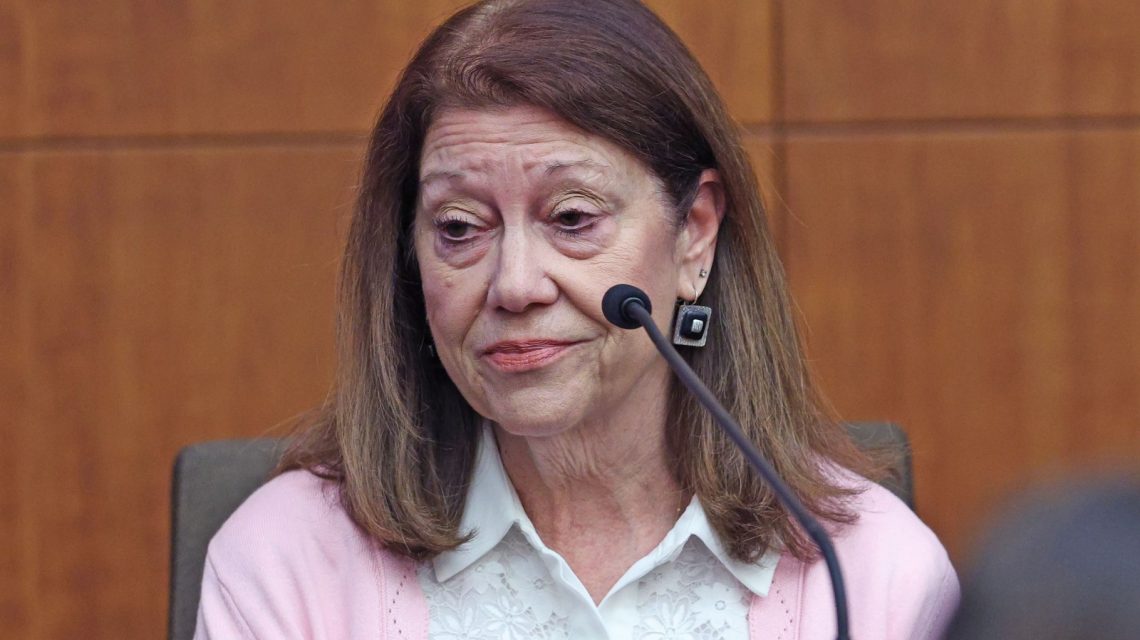
Lindsay’s mother, Paula Musgrove, provided pivotal testimony. She testified that Lindsay had once expressed having thoughts of harming her children. This crucial admission could support the defense’s argument that Lindsay’s mental condition was deteriorating rapidly.
Musgrove detailed how Lindsay confessed these disturbing thoughts weeks before the tragic events. This information is significant as it may be viewed as a warning sign of her declining mental state.
Lindsay’s Sister Testifies on Suicidal Thoughts
Lindsay’s sister, Allison Ozga, also testified, revealing Lindsay’s daily struggle with suicidal thoughts for approximately a month. Ozga noticed a significant change in Lindsay’s mood around the fall of 2022. Lindsay often expressed feelings of numbness and hopelessness, indicating deep mental health struggles.
However, during cross-examination, Ozga admitted that she did not perceive Lindsay as a danger to herself or her children during this period. Prosecutors emphasized this point to argue that Lindsay had moments of clarity, contrary to the defense’s position.
Significance of Digital Evidence and Searches
The prosecution presented key digital evidence showing Lindsay’s online searches for “postpartum psychosis” and related symptoms just days before the children’s deaths. Expert Ian Whiffin detailed how these searches are tied to the defense’s claims about her mental state.
The prosecution argues these searches indicate premeditation, while the defense contends they reveal Lindsay’s recognition of her deteriorating mental health and desire for understanding.
Lindsay’s Medication Concerns
Musgrove testified that Lindsay was concerned about her psychiatric medication, expressing worries that it was negatively affecting her mental state. This aligns with the defense’s argument that Lindsay’s treatment was flawed.
Musgrove shared messages from Lindsay indicating her desperation and confusion, highlighting her struggle with a condition allegedly exacerbated by medication mismanagement.
Challenges to Musgrove’s Testimony
In cross-examination, prosecutors challenged Musgrove on her beliefs about the immediate danger to Lindsay’s children. Despite acknowledging disturbing thoughts, Musgrove did not perceive an imminent threat, lending weight to the prosecution’s argument.
This exchange illustrates the complexity of recognizing severe mental health issues, something the defense may use to further their case.
GoFundMe Campaign Support
Outside the courtroom, a GoFundMe campaign has been launched to aid Lindsay’s parents, Mike and Paula Musgrove, who have depleted their savings supporting Lindsay. This campaign has raised significant funds, highlighting public interest and support.
Proceedings’ Next Steps
The defense continues with testimony from medical and mental health experts. The prosecution may call witnesses to counter the defense’s psychiatric evidence. Closing arguments will follow, leading to jury deliberations.
If convicted, Lindsay faces a life sentence without parole. An insanity verdict could lead to commitment in a psychiatric facility under Massachusetts law.