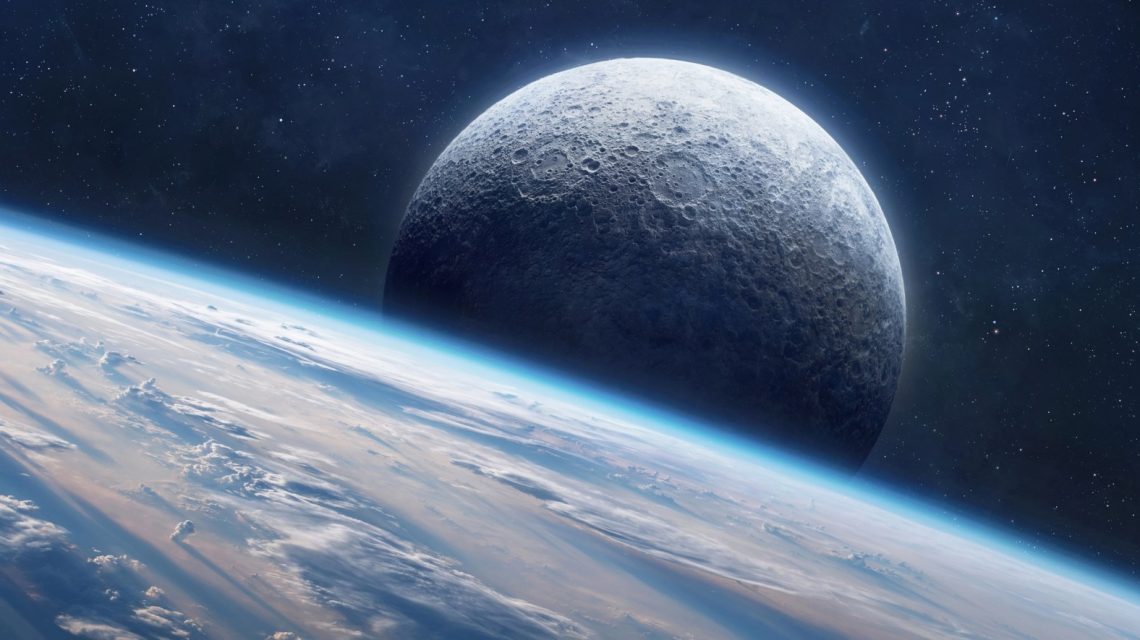
The moon has long symbolized exploration and possibility. If NASA achieves its objective of establishing a permanent base near the lunar South Pole, future inhabitants could encounter a unique psychological experiment. According to a neuroscientist and other specialists, life on the moon might alter human thinking, feeling, and social interaction, offering growth prospects while posing risks linked to isolation and separation from Earth.
NASA has accelerated its plans for a permanent lunar foothold this year. In May, the agency revealed a detailed roadmap for its Moon Base Program. This plan outlines a three-phase strategy culminating in a sustained human presence on the lunar surface by 2032. According to NASA, the final phase will make living and working on the moon a reality.
The psychological demands of spaceflight are a serious concern. NASA says isolation and confinement may decrease cognitive and behavioral functioning. While countermeasures on the ISS have been effective, future missions beyond low-Earth orbit might face increased risks as traditional support systems become more challenging to provide.
A NASA-led study, published in November 2024, examined astronauts on six-month ISS missions. The study found cognitive performance was generally stable but noted slower processing speeds, attention, and working memory during flight.
The Risk of Isolation
Experts caution that the moon’s harsh environment might heavily impact mental health. Dr. Dave Rabin, a psychiatrist and neuroscientist, explains that prolonged lunar isolation could heighten insomnia, anxiety, depression, irritability, and cognitive issues. Rabin calls space psychologically challenging, arguing that isolation can cause hallucinations, sleep disruptions, and emotional distress.
Rabin warns that while the moon may evoke wonder, a lack of belonging could lead to existential disconnection. He stresses the importance of environmental signals that reassure people they are part of a larger world. Rabin compares lunar settlements to sensory deprivation chambers lacking weather, wildlife, and familiar sounds. He suggests residents might rely more on artificial stimulation.
The Emotional Impact of Reduced Gravity
Researchers are investigating how reduced gravity might affect emotional well-being. Rabin notes that gravity influences balance, posture, blood flow, sleep, movement, and spatial orientation. Lunar gravity, although present, is weaker than Earth’s.
This might indirectly affect mood through changes in sleep quality, movement patterns, cardiovascular regulation, inflammation, vestibular processing, and the body’s sense of groundedness. Rabin states that the body, evolved on Earth, remembers it even when the mind ventures elsewhere.
Matt Grammer, founder of Therapy Training, shares concerns about lunar settlements. Such environments might remove cues used for regulating mood and identity, including weather, greenery, familiar sounds, and daily rhythms. Grammer believes confinement could heighten anxiety, depression, irritability, emotional detachment, and decision-making difficulties.
On the moon, people may struggle less with fear and more with monotony. Humans need change, which might arise from weather, seasons, nature, community, and daily activities. Without it, moon residents would require artificial cues to prevent perceiving the environment as emotionally flat.
Defining a New Human Identity
Dr. Sam Zand, a psychiatrist, states that maintaining connections will be the biggest challenge for lunar pioneers. Drawing parallels with polar expeditions and space missions, he emphasizes the need for variety and normalcy. Zand suggests future lunar habitats must recreate aspects of Earth to help residents connect to something greater than themselves.
Despite challenges, experts believe humans can adapt, though this might lead to profound identity changes. Rabin predicts permanent lunar life could create a new human identity, culturally shaped by distance from Earth. This identity may be intriguing initially, but could become lonely or spiritually unsettling.
The central psychological question remains whether lunar settlers feel like pioneers expanding humanity’s reach or exiles separated from Earth. As NASA pursues sustainable human presence on the moon, the focus may not only be on survival but on fostering a sense of humanity.
 Washington’s Reaction to Trump’s AI Self-Regulation Accord and Technology Updates from The Hill
  Unraveling the RatHat Android Malware Threat
  AI Accountability: The Need for Clear Liability Standards
  Innovative Developments and Trends in Small Business Technology
  AI Coaches in the Workplace: Benefits and Limitations
 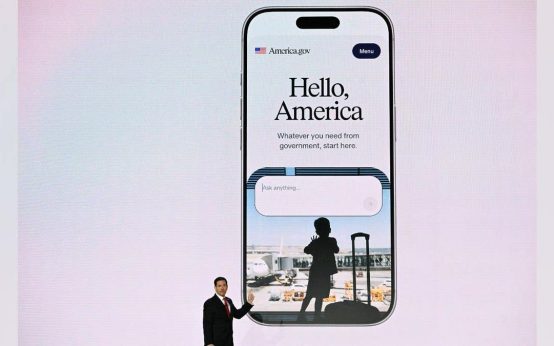 Trump Unveils AI-Powered America.gov Platform