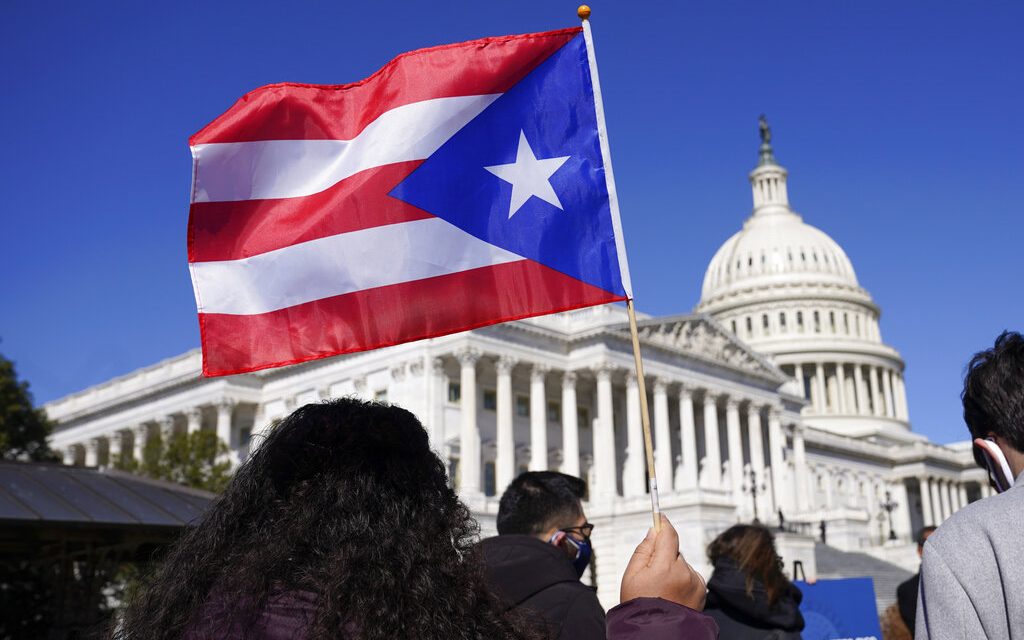
A significant legislative development regarding Puerto Rico occurred when the U.S. House passed a bill proposing the island’s first-ever binding referendum on statehood or independence. Despite this effort, the bill faces slim chances in the Senate.
Midterm elections often pose challenges for the incumbent party. This is evident as Republicans try to maintain their narrow majority in the U.S. House. An essential aspect of their strategy is engaging with Puerto Ricans, the second-largest Hispanic voting group in the U.S. To secure these voters’ support, Republicans should reconsider their stance on Puerto Rican statehood.
The Puerto Rico Statehood Council, chaired by José Fuentes, conducted a poll that reveals 68% of Hispanic voters, including 71% of Puerto Ricans, favor statehood. Among Republican Puerto Rican voters, 78% support statehood, highlighting an alignment with conservative values. Furthermore, the poll shows 68% of Republican Puerto Ricans are more likely to vote for candidates who support statehood.
The Republican Party’s challenge with Puerto Rican voters stems from opposing statehood, an issue exploited by Democrats. This resistance appears outdated, particularly when considering Puerto Rico’s political leaders, many of whom are Republican, alongside shared priorities with U.S. Republicans such as a strong military and traditional family values.
Puerto Rican voters’ influence extends beyond the island. Their presence in states like Pennsylvania, Florida, and New York can tip electoral balance. In Pennsylvania’s 7th District, Puerto Ricans represent a significant portion of the population. Their votes may determine the district’s outcome, illustrating the broader impact on national politics.
For Republicans, embracing or at least ceasing to oppose statehood could secure crucial support. Democrats, led by figures like Kamala Harris, express backing for statehood, suggesting they aim to capture this issue. If Republicans do not adjust their approach, Democrats might gain the support of Puerto Rican voters.
 New Jersey Voter Fraud Prompts Renewed Push for SAVE Act
  Concerns Over Changes to Voter-Registration Form for Americans Abroad
  Trump’s 2024 Campaign Targets Young Men Through Cryptocurrency
  Trump’s White House Visitor Center Proposal Gains Bipartisan Support
  State Department Simplifies Passport Process with Online Applications
 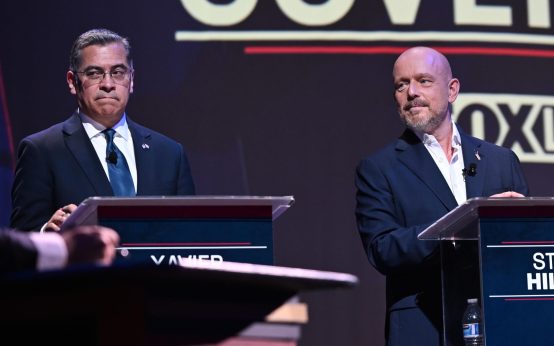 Becerra and Hilton Clash in California Gubernatorial Debate