Introduction
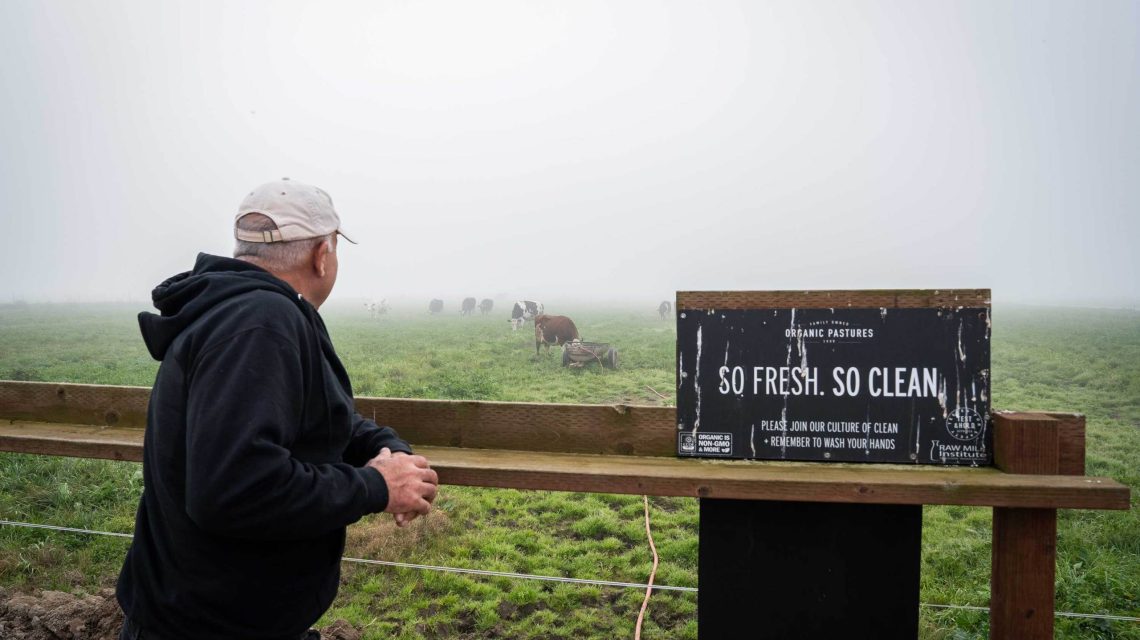
The interest in raw milk is experiencing significant growth. Driven by shifts in politics and wellness trends, unpasteurized milk is becoming more than a fringe interest. Many people are choosing it due to a distrust in institutional health guidelines. However, this choice comes with inherent risks.
The Safety Myths
Despite efforts to maintain hygiene, contamination from harmful bacteria like E. coli and salmonella remains a serious risk with raw milk. These pathogens are unavoidable in the unpasteurized dairy supply.
The Political Shield
Even as raw milk continues to cause health issues, some lawmakers and officials support its market expansion instead of addressing the hazards. This political climate is crucial in understanding the rising trend.
The Charismatic Advocate
In California’s Central Valley, the 64-year-old dairyman Mark McAfee champions raw milk through his business, Raw Farm. His promotional efforts highlight unproven benefits such as improved gut health and reduced asthma symptoms. Despite scientific consensus that raw milk poses over 100 times the risk of foodborne illness compared to pasteurized milk, McAfee’s farm brings in about $30 million annually.
The Cultural and Political Factors
Raw milk’s resurgence is propelled by a general distrust in perceived corporate control over health institutions. Many see raw milk as a symbol of personal freedom and independence from industrial processes. The demand continues to grow, with a 65% increase in national sales from 2023 to 2024.
Questioning Safety and Regulation
The growing success of raw milk raises questions about its widespread acceptance given ongoing outbreaks of illnesses. McAfee’s Raw Farm, in particular, has been associated with numerous recalls due to contamination, affecting hundreds of individuals. Despite these challenges, McAfee maintains that his products are safe, arguing that his farm thoroughly tests each batch for pathogens.
Regulatory Gaps and Consumer Awareness
Federal law restricts the interstate sale of raw milk, yet McAfee found a legal loophole by labeling it as pet food. This undermines regulatory efforts to control its distribution. At the state level, California allows retail sales of raw milk, and the farm is in good standing with health standards. However, experts suggest consumers often underestimate the risks associated with consuming raw dairy.
Personal Accounts of Impact
Cases like Mary McGonigle-Martin’s son, Chris, highlight the potential consequences of drinking raw milk. In 2006, he fell seriously ill after consuming raw milk, leading to long-term health issues. This individual story mirrors many others across the country, raising further alarm about consumer safety.
The Path Forward
The raw milk industry continues to operate in a contentious space between consumer rights and public safety. Continued outbreaks linked to Raw Farm underscore the ongoing risk. Despite this, legislative efforts like the Interstate Milk Freedom Act aim to reduce restrictions on interstate sales. Political support, such as that from figures like Robert F. Kennedy Jr., complicates the regulatory landscape.
Conclusion
The raw milk movement draws its strength from cultural ideals of freedom and natural living. However, the associated health risks and regulatory challenges present a complex picture. Proponents and consumers alike need to weigh the ideals of choice against the proven risks of raw dairy products.
 Trump Administration Distributes ACA Refund Checks
  Higher Consumption of Ultra-Processed Foods Linked to Increased Health Risks
  Understanding Inflammation: Myths and Facts
  Calm Parenting: Strategies to Manage Stress
  Trump’s Executive Order to Combat Mosquitoes and Ticks in D.C.
  Overcoming Weight Loss Challenges: Brain Health and GLP-1 Medications