
A severe heat wave has swept across the Western United States, leading to temperatures approaching historic highs. This extreme heat is increasing the likelihood of wildfires in areas that are already dry or currently burning. Meteorologists from the National Weather Service report that a ridge of high pressure, known as a heat dome, is trapping heat from Arizona to Montana. Fortunately, this intense weather pattern is projected to be short-lived.
The region is experiencing dangerous heat accompanied by warnings. Cities are poised to achieve record-breaking temperatures. By late afternoon, Las Vegas recorded a temperature of 115 degrees Fahrenheit, marking the year’s highest temperature for the city. This is just a degree shy of the daily record of 116F. Phoenix was predicted to reach 116F, with El Centro, California set to hit a record 118F. Even Montana’s Great Falls was expected to endure an extreme 104F.
Residents and visitors were advised to remain indoors and hydrate. In Las Vegas, Saturday’s temperatures exceeded normal levels by 10 degrees; the forecast also predicted a high of 114F on Sunday. Overnight temperatures, staying between the upper 80s and low 90s, pose a major risk, as there is no nighttime relief for the human body.
“There’s just no relief overnight,” explained meteorologist Morgan Stessman.
Cooling Centers Offer Respite
In Phoenix, the Justa Center caters to seniors and opens as a public cooling center in the afternoons. Operations director Rudy Soliz stated that providing necessary water and electrolytes is challenging, given the demand. Around 200 people seek refuge there daily.
“Anybody can come in, get a meal, sign up, get checked in through the cooling center, sit down, relax, watch some TV, and recharge before moving on,” Soliz noted.
Examining Record Heat
Las Vegas holds an August record of 116F, while July 2024 was the hottest on record at 120F. Eastern Montana faced an extreme heat warning; however, temperatures were expected to drop into the 70s by Sunday, providing some much-needed respite.
Despite recent heat apt for the season, previous bouts like the mid-July heat wave caused all-time records, with Billings reaching 111F on July 12.
“That was a rare heat wave,” said meteorologist Jeff Kitsmiller. “This one fits for this time of year.”
The Montana Rescue Mission opened earlier to assist those needing relief, providing services like meals, beds, and breakfast.
Communities flocked to local swimming pools and splash pads to escape the heat. Katy Houseman, from Great Falls Parks and Recreation, mentioned high attendance as people sought air-conditioned spaces.
“They’re definitely hitting the pools… and trying to hide inside where there’s air conditioning,” she shared.
Heightened Wildfire Concerns
This current heat wave, coupled with previous periods of drying, has prompted heightened wildfire concerns across the West. Montana faces existing fires, high winds, and red flag warnings. In Nevada, loss of moisture increased fire risks, as afternoon humidity drops significantly.
The U.S. Forest Service warned of elevated wildfire risks through Sunday in Southern California, excluding the coastline. Extreme heat and drought conditions are present in the Pacific Northwest.
Washington Governor Bob Ferguson declared a state of emergency due to high temperatures and exacerbated wildfires, also banning most burning activities until September’s end. The National Weather Service issued a Red Flag Alert for Eastern Washington, cautioning of extreme weather risks.
Oregon’s eastern regions are combating several significant wildfires, such as the Rowe Creek Complex fire, currently at 490 square miles and 57% contained.
Climate Change Intensifying Heat Events
Climate change, driven by the burning of fossil fuels, is resulting in more frequent, intense, and longer-lasting heat waves. These climatic changes contribute to severe droughts and intensify wildfires. This year’s weather patterns are impacted further by El Nino, a natural warming of the Pacific that changes global weather patterns.
The current El Nino might become one of the most intense since records began in 1950, based on early measurements. U.N. officials recently highlighted record intensities associated with El Nino’s current stage.
 U.S. Records Warmest September in History
 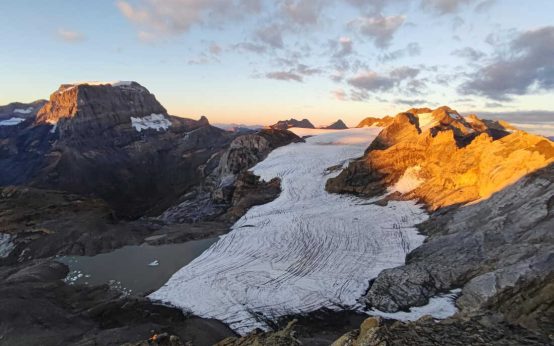 Swiss Glaciers Show Effects of Ice Loss Amid Global Warming
  Climate-Resistant Rock Glaciers: Hidden Water Resources
  California Voters to Decide on $7.5 Billion State Research Fund
  Senators Reach Bipartisan Agreement on Permitting Reform
  Experts Warn of Critical Period for the Colorado River