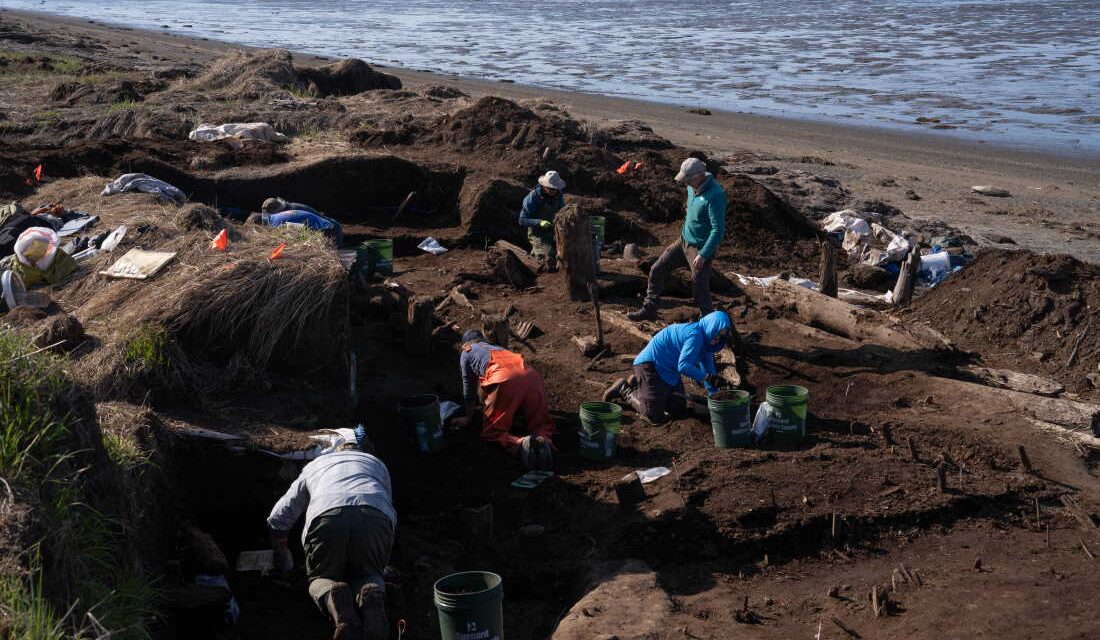
Excavation Efforts at Nunalleq
A team of dedicated volunteers and archaeologists is working at the Nunalleq dig site near Quinhagak, Alaska. The site is renowned for its rich cultural artifacts that provide insights into Alaska Native Yup’ik culture prior to Western contact.
Impact of Typhoon Halong
Last October, Typhoon Halong caused significant flooding in western Alaska. It displaced over a thousand people across numerous villages. In Quinhagak, the storm damaged homes and infrastructure. On the battered beach, resident Jenny Matthew discovered a wooden bowl crafted between 400 and 600 years ago. The storm had unearthed it, highlighting the site’s archaeological significance.
Urgent Archaeological Recovery
Following the storm, the risks for remaining buried artifacts increased due to erosion. This prompted archaeologists to initiate an emergency dig. Principal archaeologist Rick Knecht leads a team focused on recovering as much as possible before another storm hits. The team includes volunteer excavators and is supported by funding from organizations like the Pacific Northwest Archaeological Society.
Preserving Cultural Heritage
Since the site’s discovery, efforts have been ongoing to preserve hundreds of cultural artifacts. Frozen ground has aided in preserving items that could have otherwise deteriorated. The dig site encompasses remnants of sod houses dating back 400 to 500 years, revealing hand-carved animals, masks, and more.
Erosion Threats and Adaptation
Charlotta Hillerdal, part of the excavation team, emphasizes the urgency due to increasing erosion. Climate change, affecting sea ice and permafrost, has brought the Bering Sea closer to the site, making preservation efforts vital.
As threats from storms persist, funding initiatives are crucial for future excavations. Organizations like Quinhagak Heritage Inc. are vital to overseeing these efforts.
Community and Resilience
The Nunalleq Culture and Archaeology Center serves as a repository for recovered artifacts. These pieces of history bolstered community identity, connecting them to their resilient ancestors. Director Elizabeth Church emphasizes the responsibility to preserve their heritage for future generations. The scramble continues to reclaim and safeguard artifacts before the upcoming fall storm season.
 Readers React to Miss Manners Column
 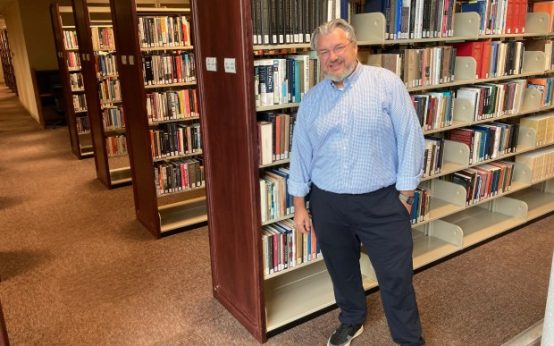 Troy Swanson: Award-Winning Librarian Transforming Academic Libraries
  Lisdoonvarna Matchmaking Festival: A Unique Tradition
  Atlantic Ends September Without a Hurricane for First Time Since 1994
 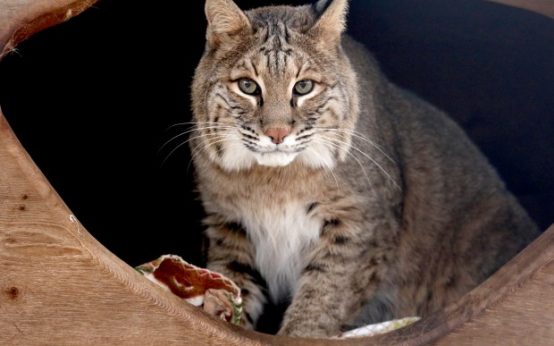 Bobcat Sightings and Conservation Efforts in Illinois
  2026 El Niño: A Historical Comparison and Future Projections