Return to Burn Zones Raises Safety Concerns
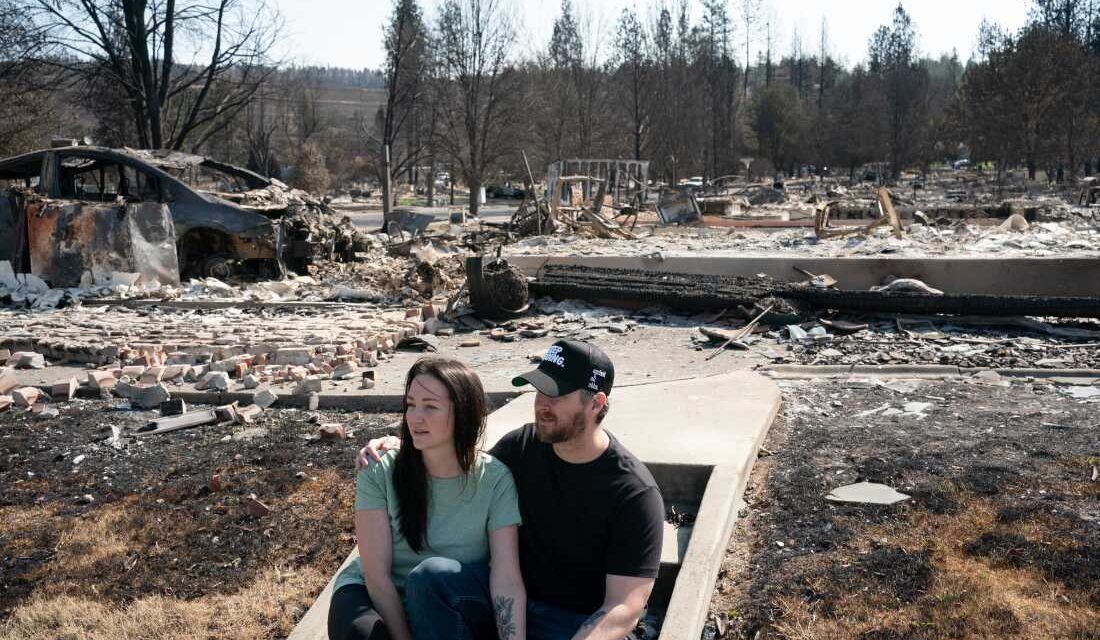
Melissa and Christopher Matthews stand amidst the charred remains of their home in Spokane. The Spokane Complex fires ravaged over 900 structures, leaving many evacuees questioning the safety of their return to burnt areas.
Sarah Nuss, director of emergency management for the city, acknowledges the challenges. Returning residents must navigate hazardous materials like lithium ion batteries and exploded propane tanks left by the fires. Proper habitability can only begin after toxic debris removal, which the Environmental Protection Agency is in the process of initiating.
Assessing the Impact and Dangers
Health and safety education is vital for those returning. The city cannot legally prevent entry, but understanding household risks is crucial. The haunting image of destruction is stark for survivors like the Matthews.
It looked like a bomb went off here.
Rebuilding can take years, with examples from Colorado and Hawaii showing prolonged recovery timelines. In Paradise, California, only a fraction of homes were rebuilt three years after the Camp Fire.
Uncertainty Amid Recovery Efforts
Nearby, people in Hazmat suits sort through debris. Good samaritans offer personal protective equipment to assist residents braving the dust and contaminated air. With recovery playbooks unfolding slowly, contamination of city water remains a concern, though initial tests show Spokane’s water remains uncontaminated.
Learning from Past Disasters
The community is not alone. Andrew Whelton, an environmental engineer, emphasizes the importance of soil testing even after debris is cleared. Spokane can learn from other urban fires, establishing a better framework for recovery.
Trauma and the Path Forward
Don Simpson, another resident affected by the fires, recalls the panic and chaos during evacuation. The comforting resilience and community support offer some hope, but many fire survivors face a long road ahead before their lives resemble normalcy once more.
 Atlantic Ends September Without a Hurricane for First Time Since 1994
  Bobcat Sightings and Conservation Efforts in Illinois
 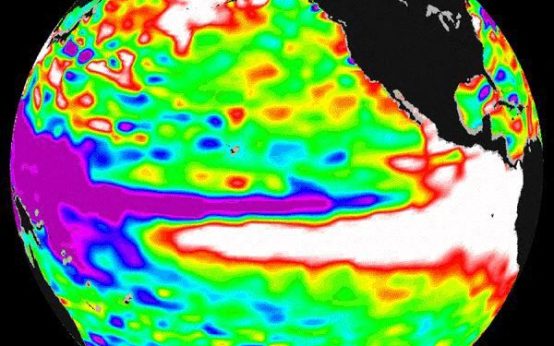 2026 El Niño: A Historical Comparison and Future Projections
  U.S. Records Warmest September in History
 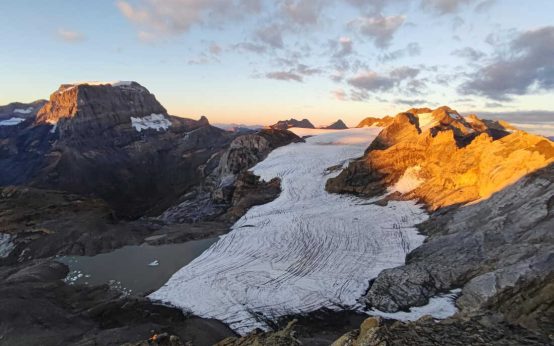 Swiss Glaciers Show Effects of Ice Loss Amid Global Warming
  Climate-Resistant Rock Glaciers: Hidden Water Resources