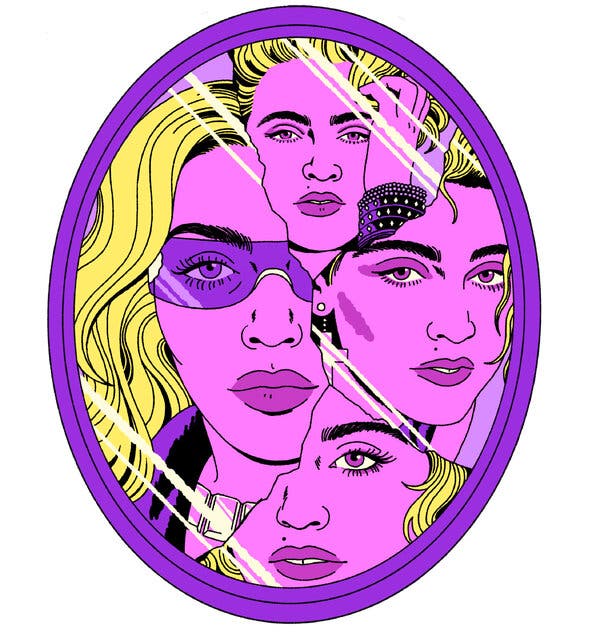
The task of critiquing Madonna is challenging for me. Whenever I think of the 67-year-old pop icon, I remember the ten-year-old version of myself who admired her. At that age, in 1984, Madonna released ‘Like a Virgin.’ Although I didn’t fully comprehend the concept of ‘virgin,’ Madonna’s influence was unmistakable. Attending Catholic school in Canada didn’t prepare me for the video’s imagery, featuring a lion and the scenic Venice.
Madonna, with her bold attitude and lace gloves, represented something I wanted to follow. This sentiment resonates with many. Madonna has continually challenged norms and led with progressive ideas, often setting trends that later became mainstream. Today, as she prepares to release ‘Confessions II,’ her first album in seven years, her presence is as strong as ever, but my view of her societal role has changed.
Madonna’s impact spans generations. She shattered cultural taboos around sexual freedom, identity, and religion, illustrating unrepentant womanhood. Her style of lingerie and religious symbols symbolized the union of empowerment and fun. Over decades, she articulated ideas and visuals that many couldn’t express. Her daring acts, such as the ‘Like a Prayer’ video, condemned by Pope John Paul II, challenged viewers and sparked controversy.
Madonna’s influence isn’t limited to music. Her willingness to embrace controversial topics, such as in ‘Justify My Love,’ featuring themes of sadomasochism, allowed her voice to rise above restriction. This legacy makes me grateful for growing up with her as part of cultural discussions, even if it led me through challenging themes at a young age.
 Ella Langley’s Hunting Passion and Internet Controversy
  Celebrities Dazzle in Sheer Outfits at Fashion Events
  Jonathan Turley: Left Demonizes Supreme Court
 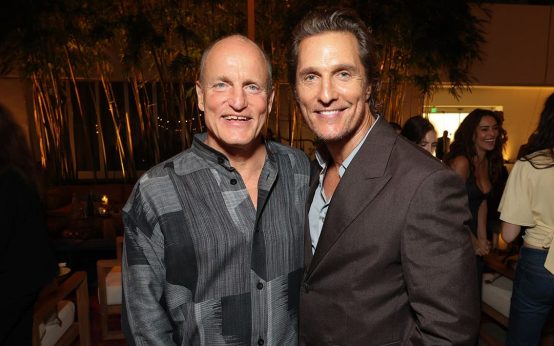 Matthew McConaughey and Woody Harrelson’s Unconventional Friendship
  Saturday Night Live’s Political Cold Open Features GOP Sketch
  Controversy Surrounds Performances at Gillette Stadium