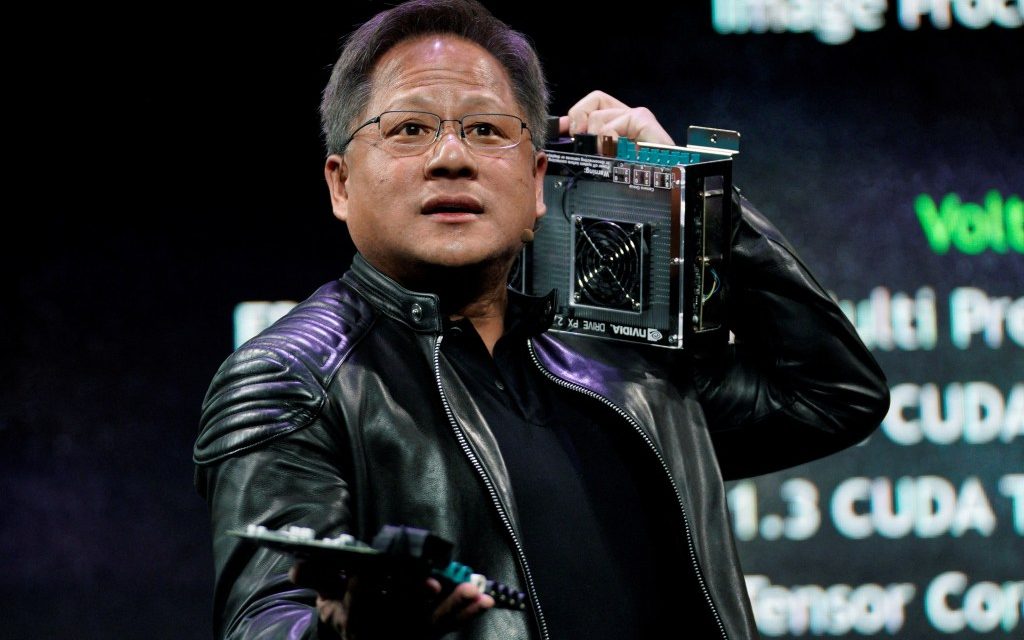
Renaissance Technologies, a prominent hedge fund based in New York, strategically sold almost all of its substantial holdings in Nvidia before the company’s stock value plummeted amid its recent challenges. This move allowed the fund to avoid a significant loss of around half a billion dollars. Other large firms and New York State’s teachers’ pension fund faced considerable exposure.
Known for its quantitative trading approach, RenTech, founded by the late Jim Simons, held 7,091,256 Nvidia shares valued at $1.42 billion as of June 30, based on Securities and Exchange Commission (SEC) filings. By September 30, the fund had reduced this to just 23,170 shares, worth about $5.3 million then. Had RenTech retained its full stake, it would have faced a $512 million loss.
Nvidia’s stock value dropped sharply following CEO Jensen Huang’s resignation on November 11 amid personal conduct investigations. The stock decreased by 31.6% since September 30, closing at $156.14 on November 11.
RenTech’s decision to sell was not influenced by insider knowledge of Huang’s issues. The firm relies heavily on computer models for its trading, having sold its shares well before the board’s probe. The hedge fund did not comment on its decision.
This market downturn heavily affected retirement investors as well. Nvidia represented 6.1% of the SPDR S&P 500 ETF Trust as of November 11, reported by research firm Trefis. Several high-profile investment firms suffered paper losses due to holding Nvidia shares. For example, Tiger Global Management increased its Nvidia shares to 12 million, making them its largest holding. If held, the firm’s stake value decreased by $867 million.
Philippe Laffont’s Coatue Management also expanded its holdings, facing a potential $452 million paper loss. Similarly, Appaloosa Management increased its shares, incurring a $144 million decrease in value. Dan Loeb’s Third Point acquired 1.5 million shares, facing a $108 million potential loss unless actions were taken to reduce exposure.
Some investment firms adjusted their strategies to minimize losses. For instance, Third Point informed investors that it had reduced its chip-related holdings. Soros Fund Management decreased its Nvidia stake by 19.3% and held put options to potentially profit from the stock’s decline.
Bridgewater Associates, another major fund, decreased its stake by 30.5%, indicating a cautious approach. Some funds, like Pershing Square and Duquesne Family Office, maintained no Nvidia stake as per recent filings. Renaissance Technologies also exited positions in companies like Meta, Apple, and Amazon.
Nvidia’s challenges, compounded by Huang’s controversial exit, have created uncertainty for investors. Meanwhile, Renaissance invested significantly in other sectors, like Micron Technology and Advanced Micro Devices, showing a strategic reallocation of resources. The New York State Teachers’ Retirement System held a significant Nvidia position as of September. Despite trimming some holdings, the fund faces a substantial paper loss.
As RenTech expertly avoided losses, the broader investment community watches Nvidia’s next financial results. The firm’s upcoming report will be the first under interim CEO Colette Kress, with Harvey C. Jones as the board’s chairperson.
 United Fidelity Bank Closure Marks Largest Shutdown in Three Years
 Deutsche Bank Predicts Stock Market Surge by End of 2027
 Stocks Rise as Traders Aim for a Strong Thanksgiving Week Finish
 Taiwan Limits Short Selling Amid Market Volatility
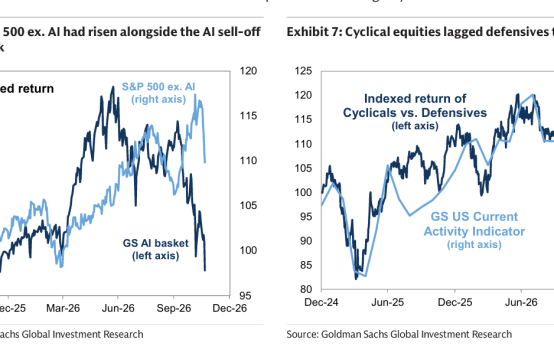 S&P 500 Enters Correction Amidst AI Market Uncertainty and Fed Concerns
 Tech Stock Sell-Off Leads to Market Downturn