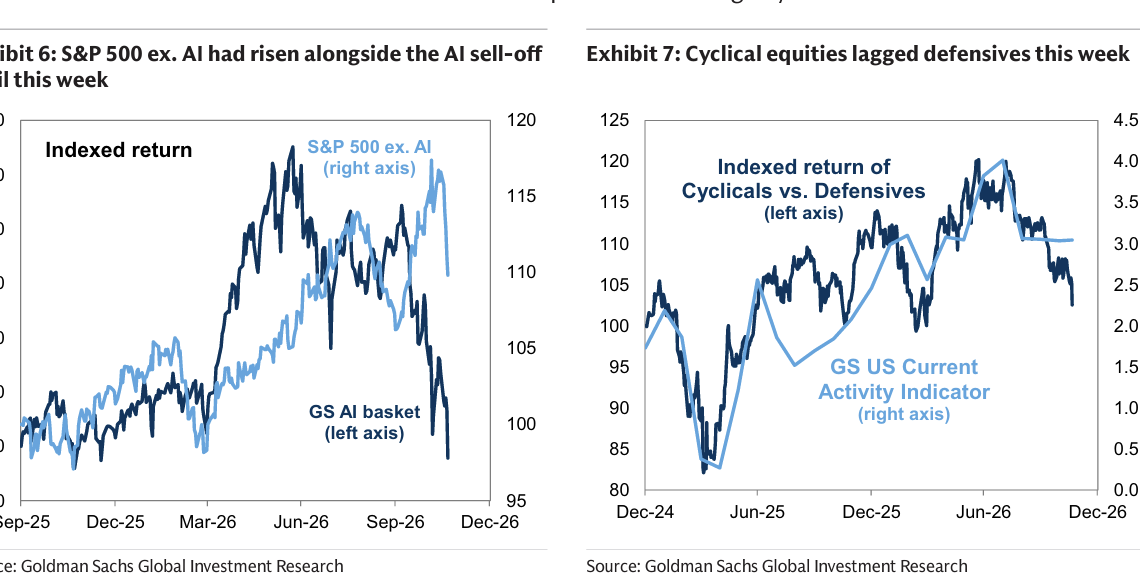
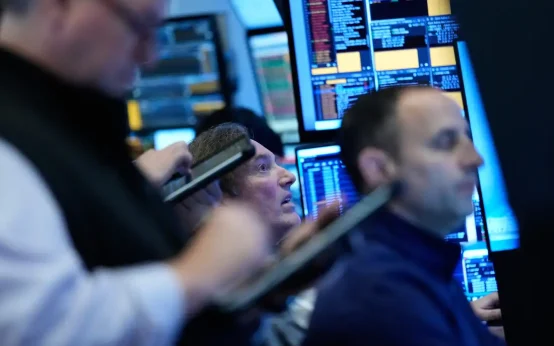
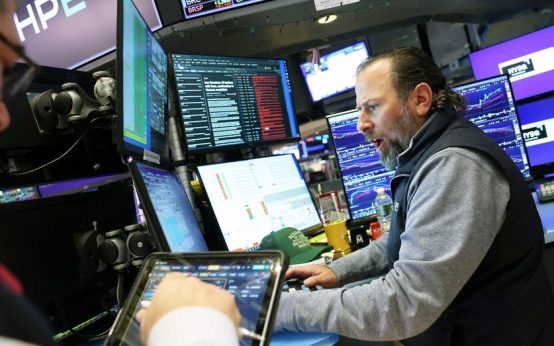
The S&P 500 experienced a significant decline, closing at 6,918.45 after dropping 3.59% on Friday. This marks its seventh consecutive loss, the longest streak since February 2020. The Nasdaq Composite fell by 5.28%, contributing to a yearly decrease of over 2%. According to Goldman Sachs, the index is now 12% below its previous record on October 6.
Goldman Sachs identified three potential indicators for a market bottom: increased confidence in AI earnings, a dovish Federal Reserve signal, or a substantial reduction in investor positioning.
AI Earnings and Market Impact
The market’s focus remains on AI earnings. Dan Niles highlighted a price war between Anthropic and OpenAI, noting a reduction in their sequential revenue growth from 75% in Q2 to 48% in Q3. Their combined losses also increased from $7.9 billion to approximately $8.4 billion. Reuters reported Anthropic’s valuation at about 40 times its trailing sales. This high valuation suggests expectations of rapid growth, though Goldman Sachs remains uncertain about AI’s long-term outlook beyond 2028.
Federal Reserve’s Stance
The Federal Reserve’s position is being closely monitored. Futures suggest a 95% likelihood of a December rate hike, with expectations of further hikes in December and March. The federal funds rate could reach between 4.25% and 4.5%. Despite a rally in Treasuries, a dovish Fed signal seems improbable in the near future. The 10-year Treasury yield is near 5%, and inflation concerns persist, according to Philadelphia Fed President Anna Paulson.
Investor Positioning and Market Sentiment
A major drop in investor positioning has historically indicated the end of drawdowns. Hedge funds have reduced net leverage to levels not seen since April 2025. Though their popular AI trades have underperformed the S&P 500 by 14 percentage points over six months, Goldman’s Sentiment Indicator remains above average.
U.S. equity mutual funds and ETFs received nearly $170 billion during Q4. Asset managers’ net equity futures positions are in the 82nd percentile over the past decade. AI investments have reportedly boosted S&P 500 earnings by 25% above trend, with significant contributions from AI capital expenditures.
Market Outlook and Historical Context
Capital Economics predicts further declines, whereas Goldman Sachs, in a note before recent drops, forecasted the index reaching 8,700 by the end of 2027. Current projections range from 5,800 to 8,100 depending on investor confidence. Historical data shows that following S&P 500 corrections since 1980, the index averaged a 4% return in the following three months.
E*Trade’s research indicates that out of 14 instances since 1983 where the index dropped 10% or more, five transitions into bear markets occurred, illustrating continued uncertainty in the market’s path forward.
 United Fidelity Bank Closure Marks Largest Shutdown in Three Years
 Deutsche Bank Predicts Stock Market Surge by End of 2027
 Stocks Rise as Traders Aim for a Strong Thanksgiving Week Finish
 Taiwan Limits Short Selling Amid Market Volatility
 Tech Stock Sell-Off Leads to Market Downturn
 Stock Market Dives Amid AI Stock Sell-Off