
The United States has witnessed an alarming rise in measles cases this year, with numbers exceeding 2,000. This unfortunate milestone was reached much earlier compared to last year when the count hit the same level only in December.
This increase is a stark reminder of the consequences of vaccine hesitancy. Efforts to combat once-eliminated infectious diseases, such as measles, mumps, and rubella, are being undermined by growing skepticism and opposition toward vaccinations.
The Centers for Disease Control and Prevention (CDC) emphasizes the importance of vaccines in preventing outbreaks. A decline in vaccination rates compromises herd immunity, exposing vulnerable populations like infants and those with weakened immune systems to such diseases.
“Vaccines are one of the greatest public health achievements,” the CDC states.
Community efforts to address misinformation and promote the effectiveness and safety of vaccines are crucial. Public health campaigns need to focus on educating the public and dispelling myths surrounding vaccinations to curb the resurgence of these diseases.
It is imperative that vaccination rates return to levels that ensure community protection. Policymakers, healthcare professionals, and community leaders must work collaboratively to reinforce the message about the critical role vaccines play in public health.
 Increased Funding Needed for Psychiatric Hospitals
  Trump Administration Distributes ACA Refund Checks
  Higher Consumption of Ultra-Processed Foods Linked to Increased Health Risks
 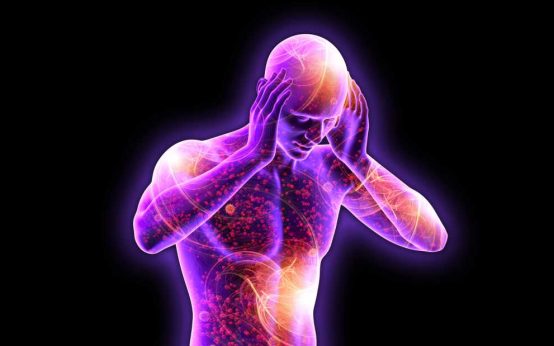 Understanding Inflammation: Myths and Facts
 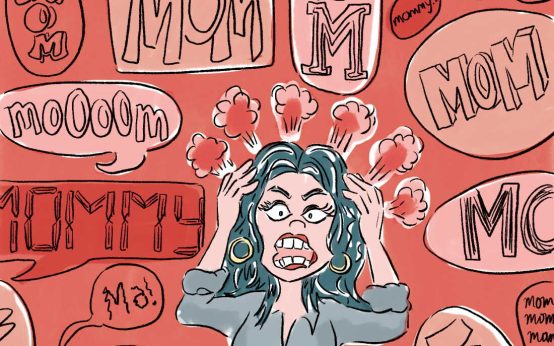 Calm Parenting: Strategies to Manage Stress
 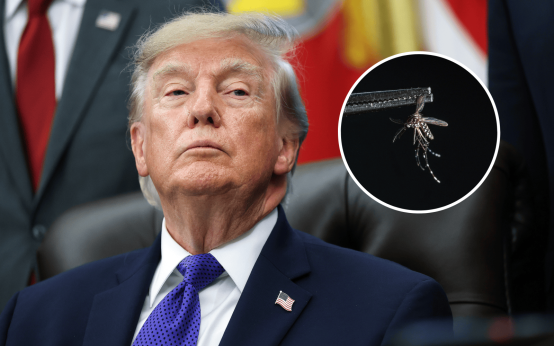 Trump’s Executive Order to Combat Mosquitoes and Ticks in D.C.