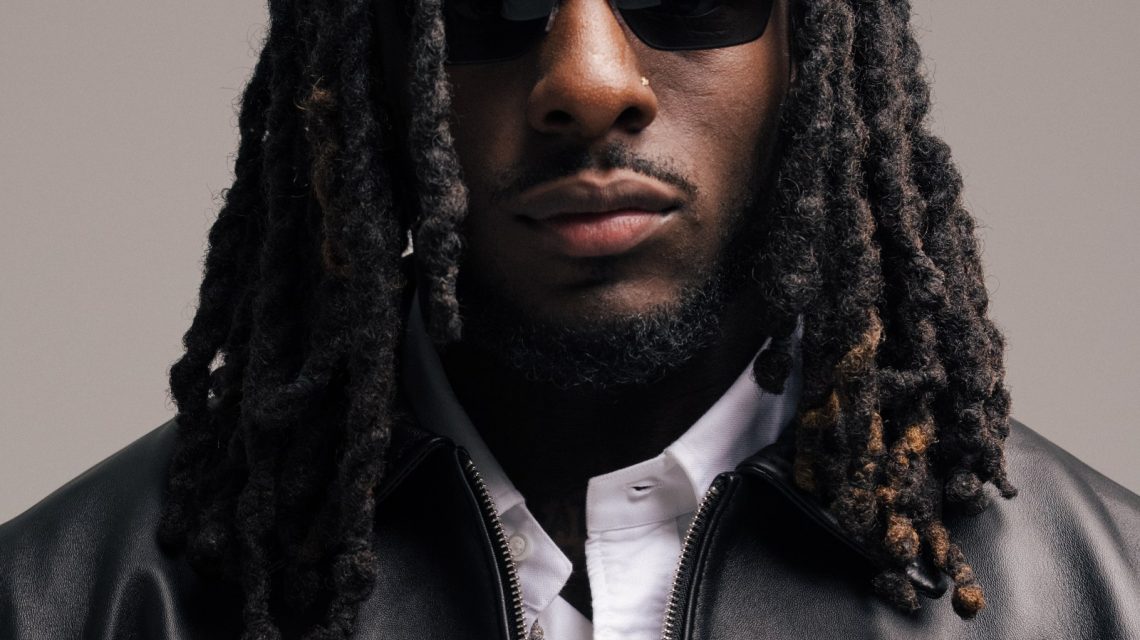
Before Ro$ama had a studio, he depended on a PlayStation, a cassette recorder, and childhood friends in Paris, Texas. His creativity blossomed with the game 50 Cent: Blood in the Sand, which provided instrumentals after completing it. As Ro$ama recalled to Newsweek, he would place the television next to the recorder, press play, and freestyle starting at the age of nine. This informal approach made music a family ritual, with family reunions turning into freestyle sessions. Family members came with an expectation for the young rapper to perform during gatherings. “They knew we would freestyle on the cassette tape, so they would make me rap during the family reunion,” Ro$ama shared, laughing at the requests that have carried into his adult years.
A Family Name Finds Its Sound
Those early experiences are reflected in Ro$ama’s solo album, My Forte, which intertwines his musical talent with his maternal lineage. He chose the album’s title because Forte is his mother’s last name, and it also signifies musical prowess. “Music and my mama’s last name correlated,” he explained, noting how the connection provided a foundation for exploring diverse subjects while highlighting his abilities. The album’s 20 tracks showcase Ro$ama’s versatility, allowing him to move between introspective reflections, boasting, and regional storytelling. His stated purpose was clear: “I was trying to do different types of topics and skill-based songs to show I can do a lot of things.”
Writing Backward, Landing Forward
Ro$ama’s career has been influenced by artists who treated rap as a competitive arena, including Lil Wayne, T.I., DMX, the Notorious B.I.G., Tupac Shakur, Nipsey Hussle, and Ludacris. He regards Wayne’s wordplay as a challenging standard, appreciating how Wayne engaged listeners with clever language use. Ro$ama’s motivation emerged from a desire to surpass such excellence: “I always wanted to do or be better than him doing it, to show he ain’t the only one who could do it.”
His songwriting process begins with a beat, which informs the emotional direction of the track. Ro$ama writes backward, determining the final bar of a four-bar setup first, and then drafting the preceding lines to enhance impact. “I write backwards,” he explained. This approach allows each phrase to build momentum as the fixed ending strengthens the setup. “So long as I got this last one, I can make it set up, and it’ll hit you,” he said. His verses feel carefully constructed because similes, metaphors, and layered meanings increase their impact while the narrative unfolds. “Rap was always storytelling, lyricism, double, and triple entendres,” Ro$ama emphasized. He integrates influences from various regions, but the East Texas perspective remains central to his techniques.
Two Sides of the Story
“E.T.,” a standout track from the album, demonstrates Ro$ama’s craftsmanship by maintaining a coherent story through two contrasting musical energies. The initial beat offered a slower backdrop conducive to storytelling, which he amplified when the tempo shifted. “When the beat switched, I was like, I can pop it and keep the story going as well,” Ro$ama said. Another song, “93,” reflects his hometown surroundings, while “E.T.” portrays his current life stage, including highs and lows. These pieces show Ro$ama’s ability to balance personal autobiography with community insights. Although he features My Forte primarily as a display of skill, its most powerful sections are rooted in real experiences.
Ro$ama’s instinct for narrative propelled him into film music, including an appearance on “BEAST MODE (Godzilla x Kong).” By previewing the film and visualizing its scope, he matched the energy of BigXthaPlug’s verse competitively. “I really just came on there trying to beat his verse and talk about the movie too,” he noted, enjoying the chance to challenge himself alongside cinematic giants, while showcasing the driving logic behind his solo endeavors.
From the Room to the Center
The collaborative endeavor 6WA broadened Ro$ama’s platform, increasing his visibility. “I felt like I was in the room, but people didn’t notice me,” he admitted. The project’s release in February 2026 led audiences to associate his voice with his identity: “Oh, you’ve been here, but I didn’t know it was you.” Partnering under the 600 Entertainment label with BigXthaPlug, MurdaGang PB, and Yung Hood, the project acted as a trial, generating anticipation for future efforts. “6WA was like the preseason, like trying to make the cut,” Ro$ama said. “Now I finally got y’all attention. Let’s see what he’s gonna do in the regular season.”
A leading set at Rolling Loud spotlighted this transformation. Ro$ama inverted the expected format, introducing BigXthaPlug during his performance. “Instead of X bringing me out, I brought him out,” he recalled, expressing gratitude. The act symbolized the broader evolution, as an artist who once went unnoticed now dictated the terms. With My Forte, Ro$ama seeks to demonstrate his comprehensive range to listeners acquainted with his previous collaborations. “I just want to let them know I can do everything,” he said, emphasizing his ambition. “I’m coming for everything.”
 Olivia Rodrigo’s Unraveled Tour Begins with Dramatic Costume Change
  Emily Ratajkowski’s Revealing VMAs Appearance Highlights Personal Connection
  Steve Doocy Interviews Comedian Matt Rife on Viral Success and Career
 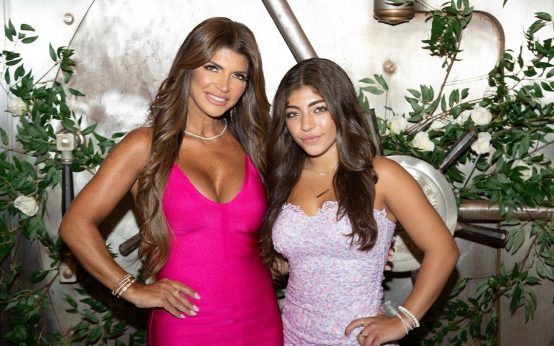 Milania Giudice Allegedly Had Fentanyl in System
 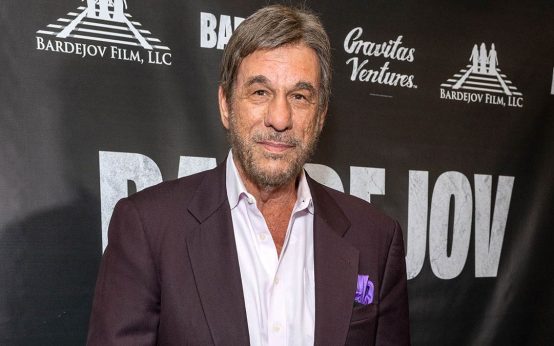 Robert Davi’s Move from California due to Crime and Politics
 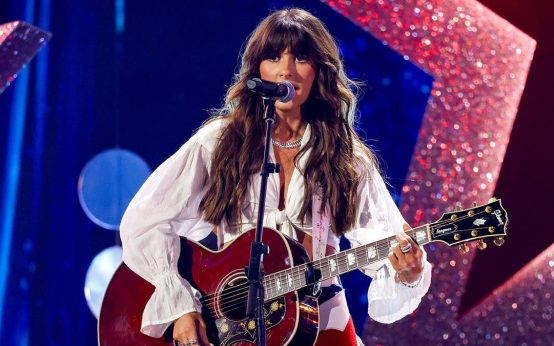 Ella Langley: A Rising Star in Country Music