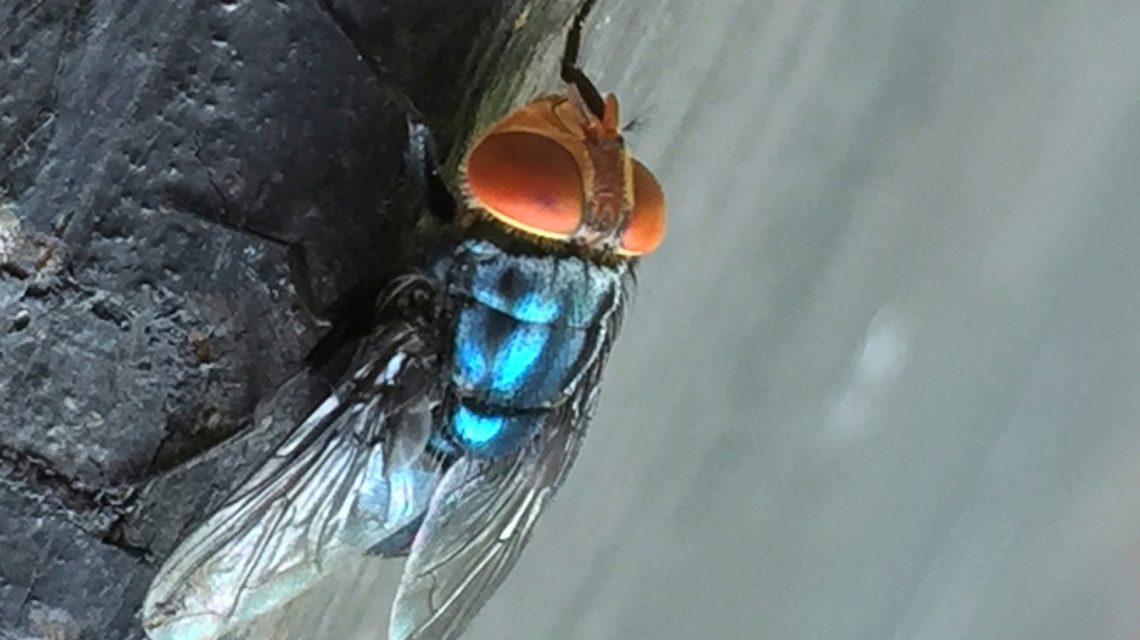
A second instance of the New World screwworm has been confirmed in Texas, affecting a calf and prompting Canada to impose a temporary ban on livestock from the region. The USDA announced the discovery in Zavala County, near the initial case detected in La Pryor, Texas. This region is close to the U.S.-Mexico border, where the first screwworm case was identified in a young calf.
The USDA’s Animal and Plant Health Inspection Service (APHIS) uncovered the infestation after examining multiple suspect cases. Despite continued testing, all other samples have returned negative results.
The USDA has instituted a quarantine zone around both affected areas, preventing animal movement without prior inspection. This measure aims to control the spread of the parasite, ensuring the protection of Texas’s cattle industry, valued at $17 billion.
Breaking the Reproductive Cycle
The parasite was spotted in Mexico late in 2024, originating from Panama. Efforts by federal and state officials seek to stop its spread into Texas, a major hub for the U.S. cattle industry. A widespread outbreak threatens to destabilize the economy by reducing cattle supplies, hindering trade, and increasing beef prices.
Texas Governor Greg Abbott enacted a statewide disaster declaration to allocate resources and personnel for deploying sterile flies and constructing a fly facility. These sterile flies are vital in interrupting the parasite’s reproduction cycle. Governor Abbott stated the determination to eradicate the pest, reflecting past successes.
Canada Imposes Livestock Ban
Canada’s food inspection agency enforced temporary import restrictions on livestock from Texas. The ban includes animals such as horses that have resided in Texas before crossing into Canada.
The Canadian Food Inspection Agency emphasized the threat posed by the parasite’s larvae and noted Canada’s colder climate limits the screwworm’s long-term survival. However, vigilance during summer months is advised. The ban serves to prevent the parasite’s introduction, safeguarding animal health.
Animal owners and veterinarians are advised to monitor for screwworm infestations indicated by worsening wounds, discharge, or foul odors. Canadians visiting Texas should inspect their pets regularly for any signs of infestation.
Understanding Screwworm
The New World screwworm is a parasitic fly with larvae that feed on living tissue, leading to severe wounds. Female flies lay eggs in exposed wounds, which hatch maggots that consume healthy flesh, making infestations dangerous.
The parasite affects livestock but can also infect wildlife, pets, and occasionally humans.
How Screwworm Spreads
Screwworms spread primarily through infested animals. Livestock trade, wildlife migration, and cross-border movements can facilitate its spread. The risk to humans remains low, but vigilance is crucial for preventing outbreaks.
Symptoms of Screwworm Infestation
Infected animals exhibit painful, worsening wounds that smell and fail to heal. Signs include visible larvae, abnormal discharge, and distress. Untreated infestations can lead to severe tissue damage, secondary infections, and possibly death.
In rare human cases, symptoms present as painful lesions and sensation of movement in the wound. Fever and chills may occur if infection ensues.
Monitoring Pets for Screwworm Infestations
Dogs and cats are vulnerable to screwworm exposure even through minor wounds, with eggs hatching swiftly. Pet owners should seek signs like persistent licking, bleeding, or visible larvae.
Vets stress the importance of early detection and treatment for small injuries, especially for animals moving from higher-risk areas.
According to expert Sally DeNotta, visual inspection is key to identifying infected animals, emphasizing prompt veterinary care prevents further spread. Animal owners should examine for non-healing wounds or maggot infestation, notifying veterinarians if these are observed.
 Trump Administration Distributes ACA Refund Checks
  Higher Consumption of Ultra-Processed Foods Linked to Increased Health Risks
  Understanding Inflammation: Myths and Facts
  Calm Parenting: Strategies to Manage Stress
  Trump’s Executive Order to Combat Mosquitoes and Ticks in D.C.
  Overcoming Weight Loss Challenges: Brain Health and GLP-1 Medications