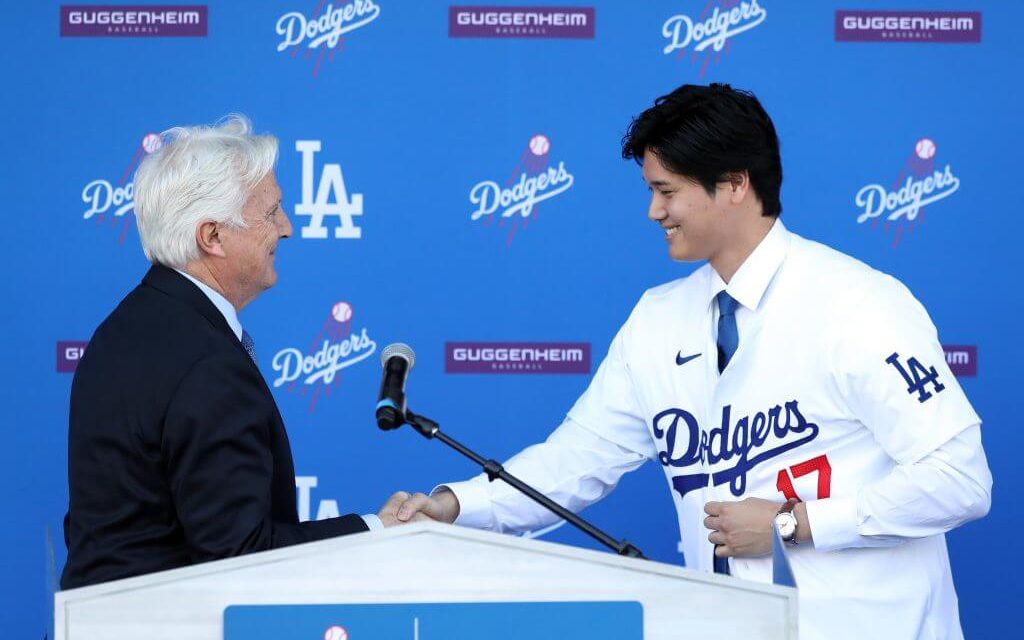
Billionaire Mark Walter has built a diverse empire ranging from insurance and finance to owning some of the world’s most prestigious sports teams. Federal investigators are now examining parts of his extensive business network in light of recent activities, including the high-profile sale of the Los Angeles Lakers. This sale has sparked concerns about the fate of other Walter-owned sports entities.
Walter is the CEO of Guggenheim Partners and TWG Global, a company with investments across sports, entertainment, technology, and artificial intelligence. Bloomberg Billionaires Index estimates his net worth at $18.3 billion. His entry into the sports arena began with the acquisition of MLB’s Los Angeles Dodgers in 2012. Since then, he has expanded his portfolio to include teams like Chelsea FC, the WNBA’s Los Angeles Sparks, the Professional Women’s Hockey League, and Cadillac F1, alongside the Lakers up until last week.
Key Questions About the Investigation
1. Why is Mark Walter under Investigation?
Federal scrutiny centers on two of Walter’s insurance companies, Delaware Life Insurance Company and Clear Spring Life and Annuity. These companies invested policyholders’ money, lending it to businesses expected to repay with interest. Concerns arose when it was found some loans financed entities with ties to Walter without reporting these as affiliated transactions. This practice raised questions of potential self-dealing. Life insurers typically engage in low-risk investments, requiring transparent transactions with related businesses to protect policyholders. In February, both companies received grand jury subpoenas as part of a U.S. Attorney’s investigation, paralleled by an SEC inquiry. Walter and the insurance firms have acknowledged mishandling these transactions.
The internal probe found that Delaware Life’s affiliated investments were initially reported at 3% but later adjusted to 42% of its portfolio, totaling nearly $17 billion. A past lawsuit in 2014 alleged misuse of policyholders’ funds linked to Walter’s acquisition of the Dodgers. Although it was withdrawn quickly, similar claims persisted, with a related case dismissed by a Kansas judge in 2019.
2. Why Did Walter Sell the Los Angeles Lakers?
Walter hasn’t publicly discussed his reasons, but the sale aligns with an apparent liquidity issue, requiring him to shift investments from insurers by year-end. The Lakers’ sale was unexpected since Walter worked hard to join NBA ownership, culminating in a minority stake in 2021 and a full purchase last year. Recent buyers include Bob Iger and Joshua Kushner, buying the team for $12.5 billion—more than Walter’s purchase price. Andrew Granato, a legal economist, noted the rapid sale suggests an urgent need for funds.
Pressure remains on Walter to reduce insurer-linked entanglements by year-end. Potential ramifications for failing to meet these deadlines include credit downgrades for Delaware Life. Current claims suggest Walter might sell more sports holdings, including stakes in Chelsea FC, though TWG Global denies selling Cadillac F1.
3. Impact on the Los Angeles Dodgers?
Dodgers’ president Stan Kasten noted the Lakers’ sale doesn’t affect the Dodgers. However, the investigation’s scope could change this. Walter sees the Dodgers as a long-term investment, with no immediate plans to recoup funds. Owning 27% of the Dodgers, he might consider monetizing other related revenue streams, such as broadcast rights. The team’s broadcasting deal runs through 2038, while merger talks with Charter Communications and Cox Communications remain ongoing.
Although MLB has stayed silent, the federal probe might delay any league investigation. Major League Baseball rarely enforces ownership changes, but previous pressure on former Dodgers owner Frank McCourt suggests possible actions could be taken. Walter’s introduction of Shohei Ohtani and historic contracts for players remain unaffected by current issues.
4. Deferred Money in Player Contracts
The Dodgers have utilized deferred payments extensively, owing over $1 billion across multiple player contracts. Payments, such as for Ohtani’s $700 million deal, are scheduled to begin future payments and are secured according to MLB guidelines. The team is financially robust, with significant revenue and attendance figures, diminishing concerns about meeting these obligations.
Change in ownership wouldn’t impact deferred payments, as new owners would assume these obligations. Industry sources indicate all payments are managed through a singular account, safeguarded by MLB’s liquidity regulations.
5. Impact on Upcoming CBA Negotiations
Although the Dodgers embody the spending divide in baseball, Walter’s issues are unlikely to significantly alter CBA talks. While Dodgers exemplify substantial spending, fostering debate on caps for competitive balance, the existing financial position allows continued investments based on revenue. Current negotiations may scrutinize deferred payment structures, historically a contentious topic, with neither side conceding considerable ground to date.
In summary, Mark Walter’s empire faces considerable challenges, with ongoing federal investigations potentially reshaping the sports and financial landscape he influences. The outcomes could affect asset holdings and future investment decisions across his businesses.
 Trump Unveils AI-Powered America.gov Platform
  Trump’s 2024 Campaign Targets Young Men Through Cryptocurrency
  How Modern Windows Improve Home Insulation
  State Department Simplifies Passport Process with Online Applications
  Senate Democrats Block Data Center Bill Over Efficiency Concerns
  Future Cities: Ambitious Projects Aiming for Innovation and Sustainability